SustainX 2026 · Conference Companion Digital Flipbook Edition · Full Colour
100%
Cover Partners & Sponsors Schedule · Table of Contents Day 1 — Workshop Day Day 2 — Inaugural Day Day 3 — Closing Day Poster Gallery Venue & Campus Committees & Acknowledgements Colophon
SustainX 2026 — Conference Companion, front cover
Centre for Sustainable Energy — Inside Front Cover

23 — 25 July 2026 · IIT Madras, Chennai

SustainX 2026

Flagship Conference on Circularity in Energy, Earth & Environment


Conference Companion

SustainX CRRET School of Sustainability IIT Madras

SustainX 2026 — Conference Companion
The official Conference Companion, Programme Guide, and Abstract Collection for SustainX 2026, the Flagship Conference on Circularity in Energy, Earth & Environment.

Published by the Centre for Resource Efficiency, Recyclability and Circularity in Energy Transition (CRRET), School of Sustainability, Indian Institute of Technology Madras, Chennai 600 036, India.

First edition, July 2026. © 2026 CRRET, IIT Madras. All rights reserved. No part of this publication may be reproduced without written permission of the publishers, except brief quotations for review or scholarly citation.

Abstracts and biographies are published as supplied by their authors, who remain responsible for their content.

Layout and design by Dr. Hariprasad Narayanan.

Digital edition, e-poster room, and updates: sustainxconference.org

QR Code

Conference
website
Visit online ↗

SustainX 2026

Closing the loop — in energy, on earth, for the environment.

SustainX 2026 is made possible by

Our Partners & Sponsors

Sponsor Spotlight

Empowering the Transition to a Circular
and Sustainable Future

HSBC India is deeply committed to fostering sustainable economic growth and safeguarding the environment for future generations.

As a global financial institution, HSBC recognizes that addressing the pressing challenges of climate change requires a concerted, multi-stakeholder approach. Through its robust Corporate Social Responsibility (CSR) initiatives, the bank focuses heavily on energy transition, environmental sustainability, and nature-based solutions. By investing in projects that conserve natural resources and build the adaptive capacities of communities, HSBC India plays a pivotal role in the nation’s journey toward a resilient, net-zero future.

Driving Innovation and Climate Solutions. At the heart of HSBC’s environmental strategy is the ambition to scale innovative, real-world climate solutions. The bank’s regional partnerships emphasize closing the loop on resource consumption, advancing renewable energy technologies, and protecting vital ecological systems. However, bridging the gap between conceptual sustainability and scalable industrial application requires cutting-edge research, advanced technology, and visionary academic collaboration.

Championing Circularity at IIT Madras. In alignment with these goals, HSBC India is proud to partner with the Indian Institute of Technology Madras (IIT Madras) as a key sponsor of the Centre for Resource Efficiency, Recyclability, and Circularity in Energy Transition (CRRET) within the School of Sustainability. This strategic collaboration underscores HSBC’s commitment to advancing scalable environmental technologies. By supporting CRRET, HSBC directly enables interdisciplinary research that targets lifecycle optimization, sustainable material discovery, and the development of circular energy systems. This sponsorship provides crucial backing for scientific tracks designed to eliminate systemic waste and redefine industrial supply chains as closed-loop symbiotic networks.

A Shared Vision for SustainX. As a proud sponsor of SustainX 2026, HSBC India celebrates the convergence of industry, academia, and policy at this premier conference. The overarching theme of Circularity in Energy, Earth and Environment resonates perfectly with HSBC’s mandate to finance and support a sustainable future. Together with the School of Sustainability at IIT Madras, HSBC India is not just funding research; it is actively investing in the actionable, scalable technologies that will define the green infrastructure of tomorrow.


www.hsbc.co.in

QR Code

Sponsor
website
Visit website ↗

Sponsor Spotlight

2002
Established
2,400+
Member Organisations
TNPCB
Mandated Body

Pioneering Industrial Sustainability
and a Zero-Waste Future

The Industrial Waste Management Association (IWMA) stands at the forefront of environmental stewardship, bridging the critical gap between industrial growth and ecological preservation. Established in 2002 under the directive of the Tamil Nadu Pollution Control Board (TNPCB), IWMA has evolved into a premier facilitator for sustainable industrial development. Today, representing over 2,400 member organizations, ranging from major multinational corporations to vital micro, small, and medium enterprises (MSMEs), IWMA provides the essential framework for safe, scientific waste management and progressive environmental compliance.

Driving the 3R and 3Z Paradigm

Beyond overseeing world-class hazardous waste disposal facilities, IWMA’s core mission is to actively transition industries toward a circular economy. The Association passionately promotes the 3R concept, Reduce, Re-Use, and Recycle, to help industries achieve the ultimate 3Z goals: Zero Emission, Zero Discharge, and Zero Landfill. By providing expert technical consultancy, facilitating GreenCo certifications, and conducting capacity-building workshops, IWMA ensures that industries are equipped to optimize resource efficiency and build long-term climate resilience.

Nurturing Future Innovators with IIT Madras

IWMA firmly believes that achieving a sustainable future requires investing in the next generation of problem-solvers. To this end, the Association has cultivated a deep, enduring partnership with the Indian Institute of Technology Madras (IIT Madras). Through flagship Corporate Social Responsibility initiatives such as the Young Environmental Scientist (YES) programme and the Carbon Zero Challenge (CZC), IWMA and IIT Madras collaborate to mentor students, fund innovative research, and incubate real-world environmental solutions.

A Natural Synergy with SustainX

As a distinguished sponsor of SustainX 2026, IWMA’s mandate aligns seamlessly with the conference’s overarching theme of Circularity in Energy, Earth and Environment. Its support for the Centre for Resource Efficiency, Recyclability, and Circularity in Energy Transition (CRRET) at the School of Sustainability underscores a shared commitment to translational research. By uniting industrial pragmatism with academic excellence, IWMA is not only mitigating the environmental impact of today’s industries, but also laying the collaborative blueprint for tomorrow’s circular economy.


www.iwma.in

QR Code

Sponsor
website
Visit website ↗

Sponsor Spotlight

Premium Sponsor

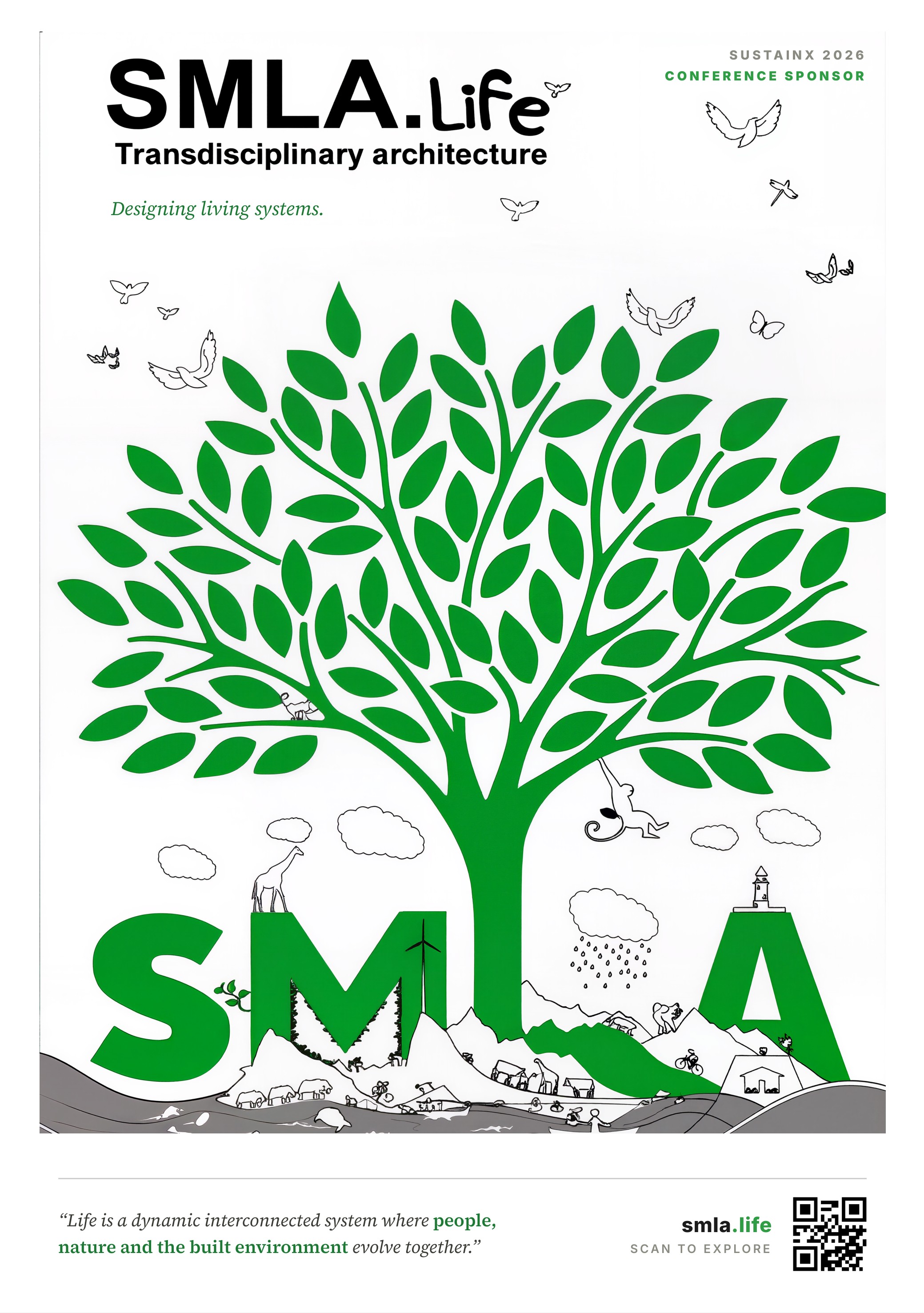
Breathable Architecture for Land, Water, & Sky

SMLA operates at the transdisciplinary intersection of architecture, ecology, material science, and hydrology. With a profound commitment to environmental restoration, SMLA envisions a future where architecture functions like a forest, a wetland, or a coral reef, adaptive, interconnected, and resource-efficient. We believe the future of the built environment lies not in isolated structures, but in cultivating living systems that actively regenerate people and the planet together.

Our Core PhilosophyMoving beyond mere sustainability toward true regeneration. Rather than just reducing environmental harm, SMLA designs ecosystems that restore habitats, strengthen local economies, and transform waste into vital living resources.

Pioneering Circularity & Climate-Responsive Design

At SMLA, circularity is the foundational blueprint of our practice. We actively investigate how industrial residues, agricultural by-products, and overlooked materials can be reimagined as high-value resources for construction and public infrastructure.

  • Breathable Habitats. Designing homes and structures from green composite materials that optimize natural airflow and foster a deeper, biophilic connection with nature.
  • Living Hydrology. Treating water not as an external utility, but as an integral design partner through nature-based ecological systems (TEVAP) that restore wetlands and support resilient communities.
  • Material Innovation. Closing the loop on resource extraction by ensuring our supply chains and material lifecycles eliminate systemic waste.

A Shared Vision with IIT Madras & SustainX

As the Premium Sponsor of the SustainX 2026, SMLA is immensely proud to support the Centre for Resource Efficiency, Recyclability, and Circularity in Energy Transition (CRRET) at the School of Sustainability, IIT Madras.

The conference’s theme of Circularity in Energy, Earth and Environment resonates deeply with our mission. Bridging the gap between groundbreaking academic research and real-world architectural application is critical to addressing today’s climate challenges. By partnering with CRRET, SMLA is directly investing in the interdisciplinary science and material innovation required to scale circular design. Together, we are not just exploring sustainable concepts. We are actively co-creating the breathable, regenerative habitats of tomorrow.


smla.life

QR Code

Sponsor
website
Visit website ↗

Sponsor Spotlight

Premium Sponsor

Centre for Sustainable Energy

IIT Madras × Coal India Limited

The Mandate

To power India’s transition to a low-carbon economy by transforming the nation’s pre-eminent energy resource provider into a global clean energy innovator.

The Framework

An outcomes-driven, hub-and-spoke research model directly targeting India’s ambitious 2070 net-zero goals.

The Transformation Agenda

Coal currently underpins over 85% of India’s energy security. The Centre for Sustainable Energy, a world-class hub of excellence established at IIT Madras in strategic partnership with Coal India Limited (CIL), recognizes that the vast expertise, landholdings, and legacy infrastructure of the coal sector are not liabilities, but critical assets for the climate transition. By co-developing research priorities directly with CIL and CMPDI, the Centre ensures that every breakthrough progresses systematically from multi-disciplinary laboratory validation to pilot-scale commercial deployment.

Four Pillars of Innovation

Led by highly accomplished faculty, the Centre’s research agenda is strictly anchored in actionable industrial impact across four thematic tracks.

01

Sustainable Materials & Circular Economy. Recovering critical minerals from renewable energy waste streams and engineering novel biodegradable composites.

02

Mine Repurposing & Fleet Electrification. Converting decommissioned, spent mines into vital underground energy storage facilities and driving the electrification of heavy industrial operations.

03

Environmental Remediation. Developing scalable, nature-inspired clean-up technologies to treat mine wastewater and aggressively restore affected ecosystems.

04

Advanced Materials for Energy Storage. Valorizing coal derivatives to produce next-generation graphenic materials and fuel cell components, drastically reducing India’s reliance on clean-energy imports.

The SustainX Synergy

As a Premium Sponsor of the SustainX 2026, the Centre embodies the ultimate real-world application of Circularity in Energy, Earth and Environment. Operating within the ecosystem of the School of Sustainability at IIT Madras, the Centre proudly supports initiatives like CRRET, bridging the crucial gap between foundational academic science and massive-scale industrial execution. It stands as a testament to how strategic industry-academia partnerships will secure a sustainable, net-zero future for India.


www.energyiitm.org
A joint initiative of the School of Sustainability, IIT Madras, and Coal India Limited.

QR Code

Sponsor
website
Visit website ↗

Editorial Note

A companion,
not a compilation.

Most conference volumes are read once and recycled. This one is designed to be carried, annotated, and kept.

This Companion is organised the way you will actually experience SustainX 2026 — chronologically. The schedule is the table of contents: find the hour, find the page. Each session unfolds as an editorial chapter with its chairs, speakers, abstracts, and space for your own notes.

The print edition is deliberately monochrome. Hierarchy is carried by typography, line and grey — not by colour — so the book can be produced responsibly on recycled uncoated paper. The digital edition, identical in structure, carries the full colour palette along with live links and QR codes.

After the conference, this Companion becomes the seed of the SustainX 2026 Proceedings: the placeholders you see here will be replaced by edited transcripts, summaries of discussion, photographs and outcomes — the record of what actually happened in these rooms.


— The Editorial Team, SustainX 2026

Welcome

From the Patron & the Organising Committee

From the Patron

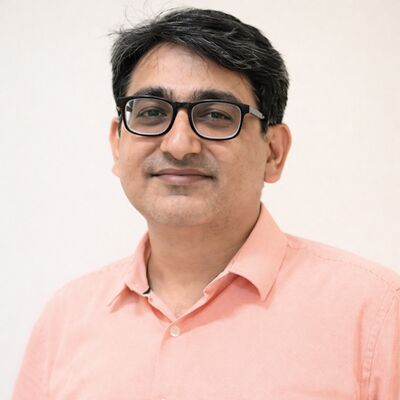
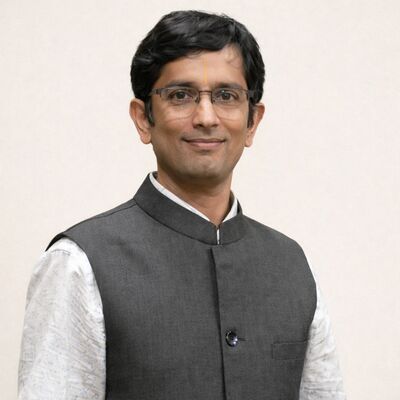
Prof. Rajnish Kumar

Prof. Rajnish Kumar
Patron, SustainX 2026
Head, School of Sustainability
IIT Madras

It is my pleasure to welcome all delegates to SustainX 2026 — Circularity in Energy, Earth and Environment — hosted by CRRET and SoS, IIT Madras. Sustainability is no longer an option but a global imperative. Addressing the challenges of climate change, resource depletion, and environmental degradation requires interdisciplinary research, technological innovation, and strong collaborations among academia, industry, government, and society. SustainX 2026 provides a valuable platform for sharing knowledge, exchanging ideas, and fostering partnerships that can accelerate the transition towards a circular and sustainable future.

I am delighted to see the participation of eminent experts, researchers, and young scholars from around the world. I encourage every participant to make the most of this opportunity through meaningful discussions and collaborations.

I congratulate the organizing committee for their dedicated efforts and wish all participants a fruitful and enriching conference.


From the Organising Committee

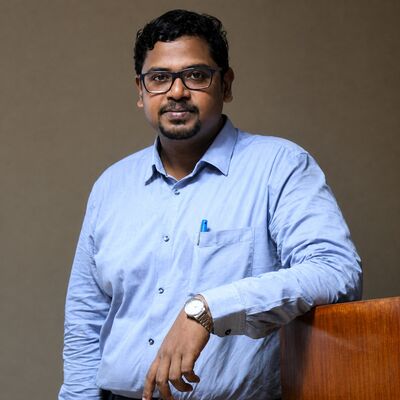
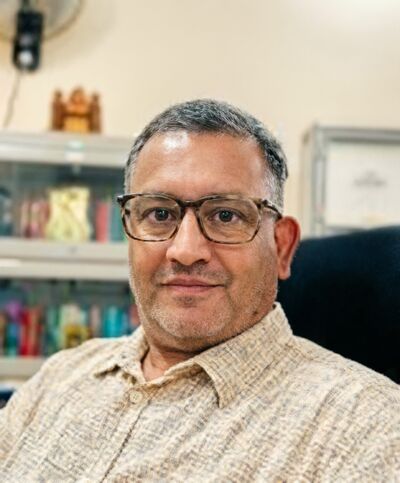
Dr. Sankha Karmakar

Dr. Sankha Karmakar
Organising Secretary, SustainX 2026
IIT Madras

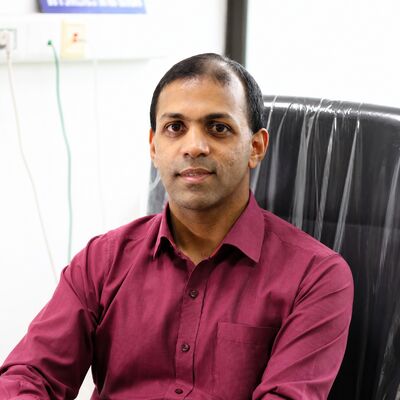
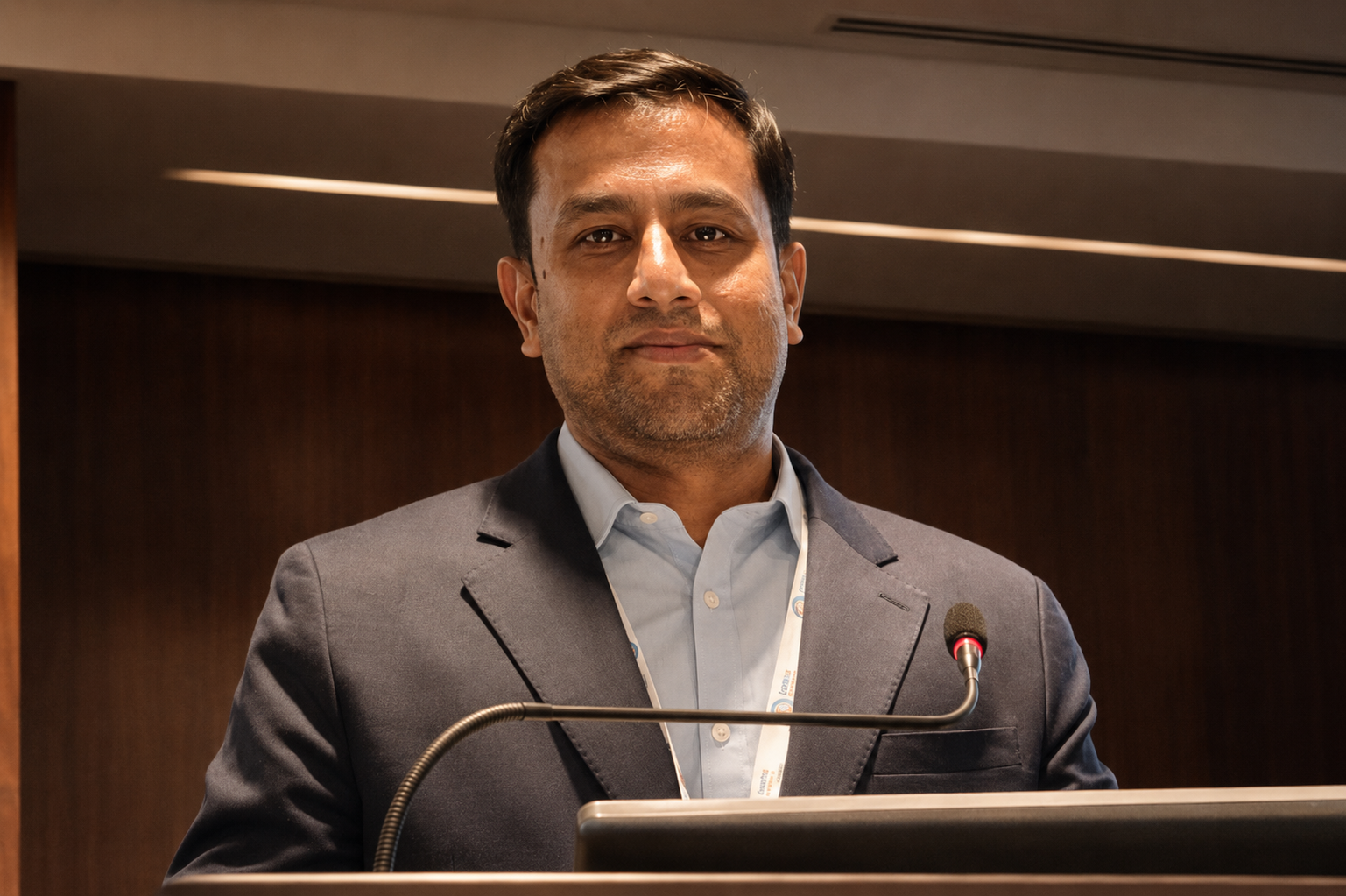
Dr. Nitin Muralidharan

Dr. Nitin Muralidharan
Organising Committee, SustainX 2026
IIT Madras

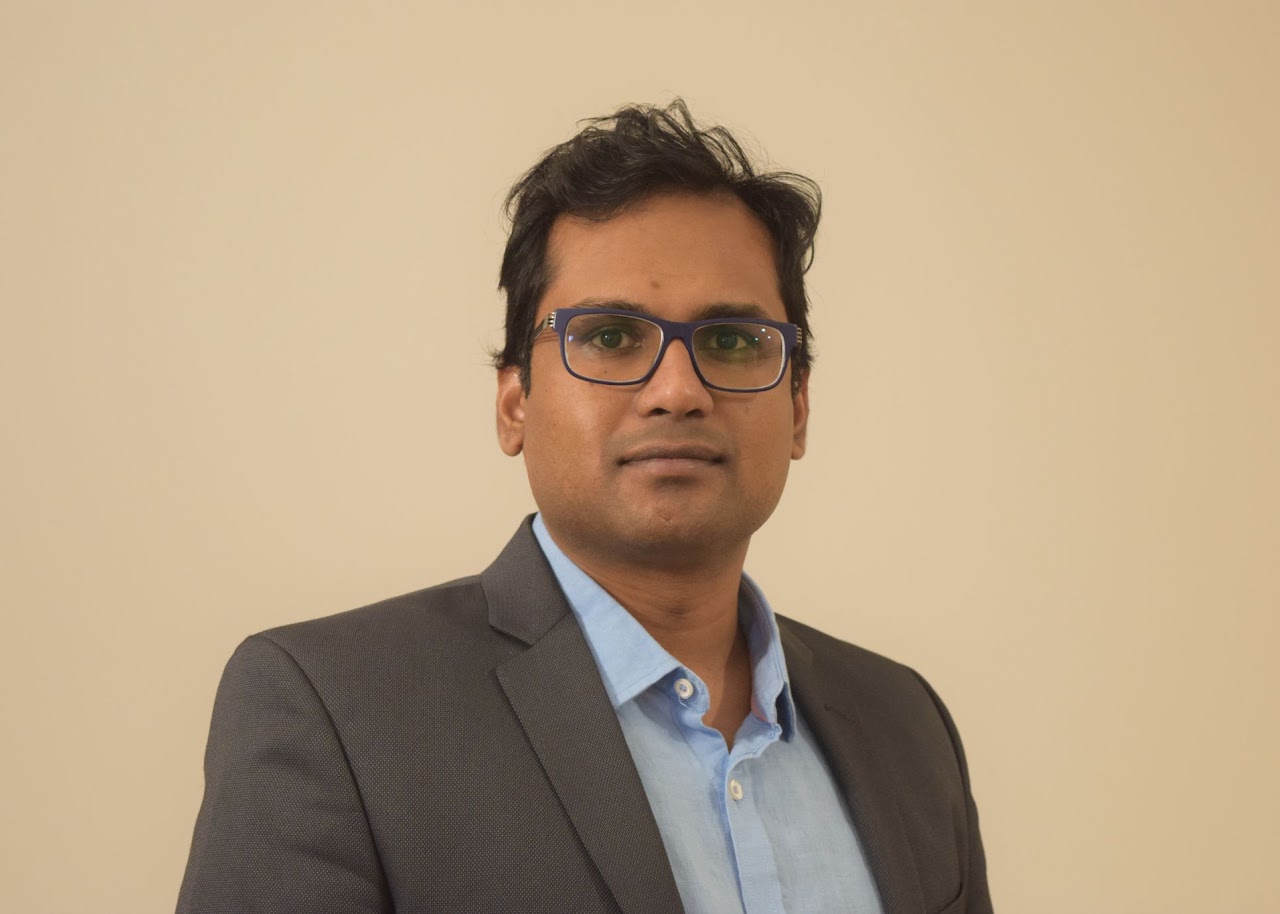
Dr. Sreeram K. Kalpathy

Dr. Sreeram K. Kalpathy
Organising Committee, SustainX 2026
IIT Madras

Prof. Satyanarayan Seshadri

Prof. Satyanarayan Seshadri
Organising Committee, SustainX 2026
IIT Madras

On behalf of the Organizing Committee, it is our distinct privilege to welcome you to SustainX 2026 at the Indian Institute of Technology Madras. As we gather in Chennai, we bring together a transdisciplinary network of leading researchers, industrial pioneers, and policymakers who share a unified vision: translating theoretical circularity into scalable, real-world solutions.

This conference companion is designed as an interactive guide to the discussions, scientific sessions, and technical tracks that will shape the coming days. By focusing on resource efficiency, recyclability, and the circular energy transition, we hope to establish new frameworks that redefine how industries, academics, and societies manage resource lifecycles.

We encourage you to participate actively in the dialogues, explore the collaborative projects hosted by our partners, and utilize the notes sections to capture the insights generated here. Welcome to IIT Madras, and welcome to SustainX 2026.

The Conference

Circularity in Energy,
Earth & Environment

SustainX 2026 convenes researchers, industry and policymakers at IIT Madras to move circularity from principle to practice.

3Days
4Workshops
10Technical sessions
6Themes

Hosted by the Centre for Resource Efficiency, Recyclability and Circularity in Energy Transition (CRRET) under the School of Sustainability at IIT Madras, the conference bridges pioneering academic research and transformative industrial application across the energy transition.

The programme spans six themes: AI-driven circular systems; circular water technologies; circular energy systems and carbon resource valorization; battery industry circularity and critical minerals recovery; the circular plastics and polymer economy; and sustainable industrial ecosystems with green supply chains.

A pre-conference workshop day offers four skill-based intensives, followed by two conference days of plenaries, keynotes, parallel technical sessions, student presentations and a curated poster gallery — all within the ICSR Building: the TTJ Auditorium and Hall III.


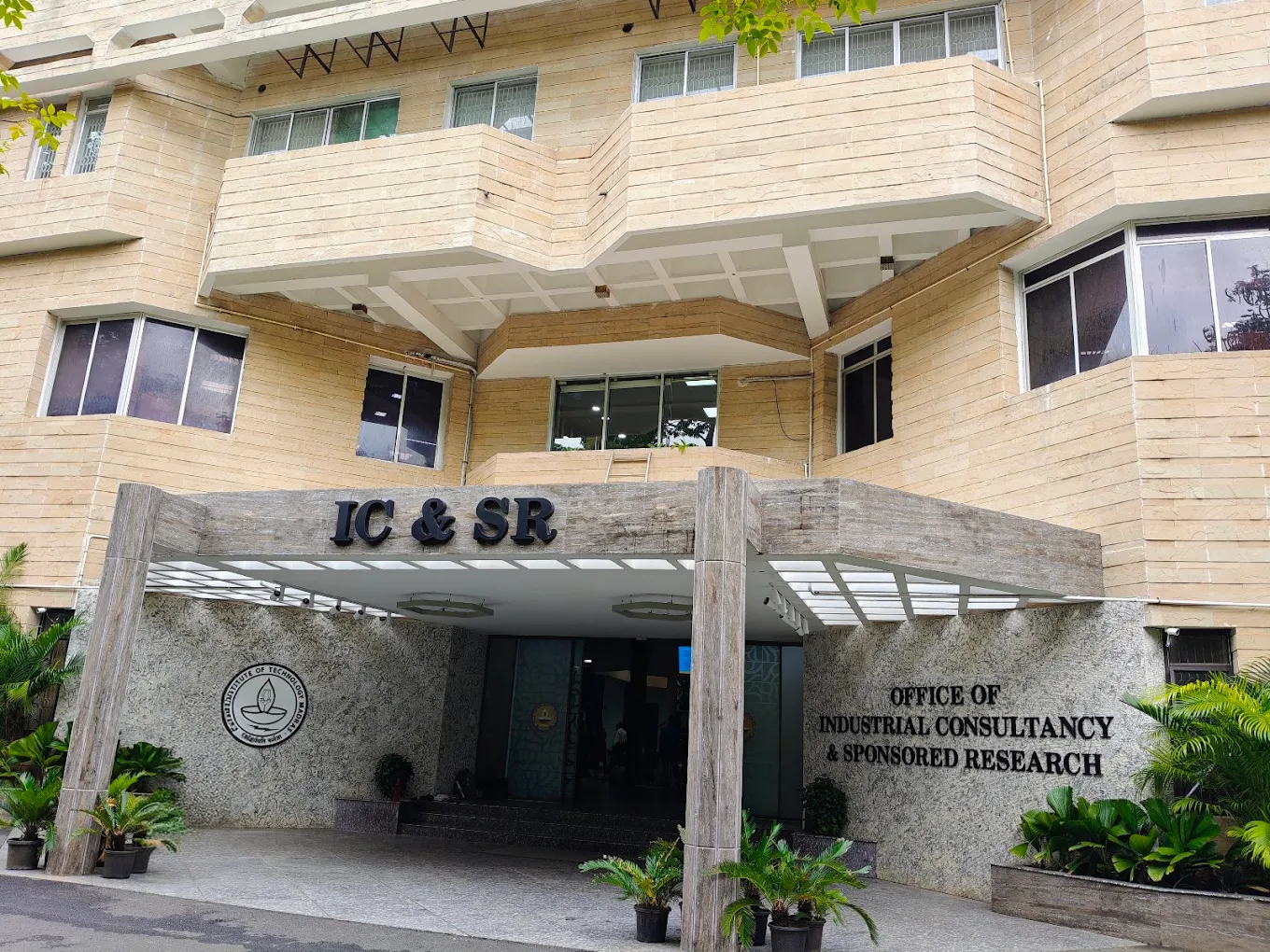
Venue · TTJ Auditorium & Hall III, ICSR Building, IIT Madras, Chennai 600 036

QR Code

sustainx
conference.org
Open website ↗

Orientation

How to Use
This Companion

The book runs on conference time. It begins when registration opens on 23 July and closes with the valedictory on 25 July.

1The schedule is the contents

Pages 15–17 list every session chronologically with its time, venue and page. Whatever is happening now, one lookup takes you there.

2Follow the running heads

The top of every page names the day, session, venue and time you are inside. You are never lost.

3Scan to go deeper

In print, QR codes beside each speaker and poster link to extended abstracts, slides and e-posters; the digital edition carries the same links, one tap away.

4Write in it

Notes pages close each day — with prompts for questions, ideas and potential collaborations. This copy is yours.

5Venues at a glance

Plenaries and keynotes sit in the TTJ Auditorium; parallel sessions alternate between TTJ and Hall III. Both are inside the ICSR Building.

6Keep it

After the conference this Companion is revised into the SustainX 2026 Proceedings — your annotations become marginalia to the published record.

Conference at a Glance

Three Days, One Loop

Workshop Day

Thu · 23 July

  • 08:00Registration
  • 09:00W1 · AI in Circularity
  • 11:00W2 · Green Economy
  • 12:30Lunch · ICSR Lawn
  • 14:00W3 · Multiscale Modelling
  • 16:00W4 · Energy Transition

Inaugural Day

Fri · 24 July

  • 09:00Inauguration
  • 10:00Plenary · S. Sivaram
  • 11:00Keynote · R. Sen
  • 12:00Sessions 1 & 2
  • 15:00Keynote · M. Srinivasan
  • 16:00Sessions 3 & 4

Closing Day

Sat · 25 July

  • 09:30Keynote · S. De
  • 10:30Sessions 1 & 2
  • 12:00Lunch · ICSR Lawn
  • 13:30Sessions 3 & 4
  • 15:30Sessions 5 & 6
  • 17:00Valedictory & Awards

TTJ Auditorium — plenary & keynote venue, 500 seats, ICSR Building.

Hall III — workshops & parallel technical sessions, ICSR Building.

Thursday · 23 July 2026 · Pre-Conference

Workshop
Day

Hall III · ICSR Building · 08:00 — 17:30

Four skill-based intensives — from machine intelligence to multiscale modelling — before the conference proper begins.

1
Workshop 1Skill Intensive

AI in
Circularity

Time09:00 — 10:30
VenueHall III, ICSR
FormatHands-on workshop

Machine learning · Large language models · Scientific data retrieval · Sustainability & circularity.

This workshop will cover an introduction to basic Machine learning (ML) as well as language models (LLMs), followed by hands-on sessions. The overarching theme will be how these approaches can be leveraged in sustainability and circularity applications. Participants will explore how algorithms can optimize resource recovery, predict material lifetimes, and accelerate the discovery of sustainable alternatives.

The session will cover the following topics:

  • Introduction to the basics of ML, including supervised and unsupervised learning, regression models, and classification tasks.
  • Introduction to Large Language Models, detailing their architecture, training phases, and generative capabilities.
  • Common LLMs and their pitfalls when dealing with scientific data, showing hands-on examples of hallucinations and bias.
  • Advanced approaches involving LLMs for scientific data retrieval, featuring demos and hands-on examples of semantic search.

Participant Requirements:

Participants must bring a laptop with Wi-Fi capability. Access to a Google account is required to participate in the hands-on coding sessions using Google Colab. Prior familiarity with basic programming concepts is recommended but not mandatory.


Workshop Leads

Dr. Abhinav S. Raman

IIT Madras

Dr. Mudit Dixit
Dr. Mudit Dixit

CSIR-CLRI, Chennai

Dr. Abhinav S. Raman

IIT Madras

Biography. Abhinav S. Raman is currently an Assistant Professor in the Department of Chemical Engineering at IIT Madras, where his group combines advances in artificial intelligence & machine learning with molecular simulations to accelerate a sustainable energy future. Before this, he was a postdoctoral research associate with Prof. Annabella Selloni in the Department of Chemistry at Princeton University. He obtained his PhD in Chemical Engineering from the University of Pennsylvania, working with Prof. Aleksandra Vojvodic, supported by a Graduate Fellowship from the Vagelos Institute for Energy Science and Technology. Prior to that, he obtained his Master’s in Chemical Engineering from Rutgers University and completed his undergraduate studies at SASTRA University.

Dr. Mudit Dixit

CSIR-CLRI, Chennai

Biography. Mudit Dixit is presently a Senior Scientist at CSIR-CLRI. His group (CELL: Computational Catalysis and Electrochemical Energy Lab) harnesses computational materials science to discover and understand advanced materials for energy applications. His group focuses on combining first-principles calculations, machine learning, and artificial intelligence to design improved materials for rechargeable batteries and catalysis. He obtained his Ph.D. in Theoretical Chemistry from the National Chemical Laboratory (NCL), Pune, under the supervision of Prof. Sourav Pal. He carried out his postdoctoral research at Bar-Ilan University, Israel, and the University of Pittsburgh, USA. Prior to joining CSIR-CLRI, he worked as an Assistant Professor at BITS Pilani, Hyderabad Campus. He has published over 70 journal articles in leading international journals (with 4,800 citations and an h-index of 29). His current research focuses on developing computational and data-driven approaches for electrochemical energy applications and catalysis.

Workshop 2Skill Intensive

Green Economy &
Sustainable Engineering

Time11:00 — 12:30
VenueHall III, ICSR
FormatHands-on workshop

Circular business models · sustainable design · life cycle assessment · green supply chains.

This skill intensive workshop focuses on the transition toward a green economy through the lens of sustainable engineering and life cycle thinking. Participants will delve into the methodologies of Life Cycle Assessment (LCA) to quantify environmental footprints and guide decision-making in sustainable product design. We will examine circular business models, green supply chain optimization, and strategies for minimizing resource depletion and emissions.

The session will cover the following topics:

  • Introduction to green economics, circularity metrics, and environmental indicators.
  • Methodologies of Life Cycle Assessment (LCA) and environmental footprinting.
  • Strategies for circular business models and sustainable product/process design.
  • Optimization of green supply chains, industrial symbiosis, and resource recovery systems.

Participant Requirements:

Participants must bring a laptop with Wi-Fi capability. Basic spreadsheet software (Excel/Google Sheets) or Python environment is recommended for simple LCA modeling exercises.


Workshop Leads

Dr. Santosh Kumar Sahu

IIT Madras

Prof. Pradip Kalbar
Prof. Pradip Kalbar

IIT Bombay

Dr. Santosh Kumar Sahu

IIT Madras

Biography. Dr. Santosh Kumar Sahu is an Associate Professor of Economics in the Department of Humanities and Social Sciences and an Associate Faculty at the School of Sustainability at IIT Madras, Chennai. He is also an affiliated researcher at the Energy Consortium at IIT Madras. He has received several awards, including the Trend Setters Grant Award, the Australia Awards India Fellowship, and Prof. Raghuram Rajan’s Young Scholar Grant Award. He completed his doctoral research at IIT Bombay in 2013, where his dissertation, Economics of Energy Use in Indian Industries, received the Excellence in PhD Research Award. His research interests include energy economics, applied microeconomics, industrial economics, institutional economics, economics of climate change, and techno-economic analysis, including life cycle assessment. He teaches courses such as Statistical Inference, International Economics, Energy Economics, Climate Economics, Principles of Economics, Applied Economics, and Applied Econometrics, having previously taught at the Madras School of Economics and Gati Shakti Vishwavidyalaya.

Prof. Pradip Kalbar

IIT Bombay

Biography. Prof. Pradip Kalbar is an Associate Professor at the Centre for Environmental Science and Engineering (CESE), IIT Bombay. He received his PhD from IIT Bombay in 2013, an M.Tech in Environmental Engineering from VJTI Mumbai in 2007, and a B.E. in Environmental Engineering from Shivaji University in 2005. He has received numerous awards, including the Early Research Achiever Award 2019, the Young Faculty Award 2016 from IIT Bombay, the PRISMA Sustainability Assessment and Policy Award 2020 (Second Prize), and the prestigious H.C. Ørsted Postdoctoral Fellowship (2014–2016) co-funded by the Marie Curie Actions Program. He serves as an Editor of the Water Reuse journal published by IWA. His research interests encompass water supply systems (including alternate designs, reducing non-revenue water, and hydraulic modeling), wastewater management, sustainability assessment (LCA, circular economy strategy development, and water footprinting), and infrastructure resilience.

Workshop 3Skill Intensive

Multiscale Modelling
in Industrial Practices

Time14:00 — 15:30
VenueHall III, ICSR
FormatHands-on workshop

Process modelling · simulation tools · data-driven optimization · digital twins.

This workshop explores the principles and applications of multiscale modelling as a cornerstone of modern industrial optimization and circular engineering. Bridging the gap between molecular-level phenomena and macro-scale process design, we will cover how digital twins, process simulation tools, and data-driven optimization algorithms can be integrated into industrial workflows.

The session will cover the following topics:

  • Fundamentals of multiscale modeling from molecular to macro-process levels.
  • Introduction to simulation tools (e.g., CFD, process flowsheeting) in industrial design.
  • Data-driven optimization methods and integration of machine learning in physical systems.
  • Digital twins: building real-time predictive models for chemical and energy systems.

Participant Requirements:

Participants must bring a laptop with Wi-Fi capability. Access to a web browser is required for browser-based simulation tools and interactive Jupyter/Colab notebooks.


Workshop Leads

Dr. Himanshu Goyal
Dr. Himanshu Goyal

IIT Madras

Dr. Jayabrata Dhar
Dr. Jayabrata Dhar

NIT Durgapur

Dr. Himanshu Goyal

IIT Madras

Biography. Dr. Himanshu Goyal is an Associate Professor in the Department of Chemical Engineering at the Indian Institute of Technology (IIT) Madras. He received his B.Tech. in Chemical Engineering from IIT Guwahati in 2011. Before pursuing higher studies, he worked at Reliance Industries Limited and the Indian Institute of Science (IISc). He then moved to Cornell University, where he obtained his M.S. in 2017 and PhD in 2018. Prior to joining IIT Madras in 2019, he worked as a postdoctoral researcher for a year at the University of Delaware.

Dr. Jayabrata Dhar

NIT Durgapur

Biography. Dr. Jayabrata Dhar is an Assistant Professor in the Department of Mechanical Engineering at NIT Durgapur. He received his M.Tech. in 2013 and PhD in 2017 in Mechanical Engineering (specializing in Thermal Science and Engineering) from the Indian Institute of Technology Kharagpur. He was a Postdoctoral Fellow at Geosciences Rennes, Université Rennes 1, France, from 2018 to 2019, and a Human Frontiers Science Program Postdoctoral Fellow in the Physics of Living Matter Group at the University of Luxembourg from 2019 to 2022. His research interests focus on microfluidics, electrokinetics, complex fluids, transport phenomena in biological systems, and the hydrodynamics of active materials.

Workshop 4Battery & Solar Focus

Circularity in
Energy Transition

Time16:00 — 17:30
VenueHall III, ICSR
FormatHands-on workshop

Battery circularity · solar energy systems · critical minerals recovery · sustainable energy transition.

This workshop addresses critical aspects of circularity in renewable energy systems, focusing specifically on battery and solar technologies. Participants will discuss design-for-recycling principles, critical minerals recovery, and the supply chain dynamics that govern the sustainable transition to renewable energy storage and generation infrastructures.

The session will cover the following topics:

  • Overview of the circular economy in renewable energy systems (battery and solar focus).
  • Design-for-recycling principles for next-generation lithium-ion and solid-state batteries.
  • Technologies and supply chain challenges in critical mineral recovery.
  • Techno-economic and sustainability analysis of renewable infrastructure decommissioning.

Participant Requirements:

Participants must bring a laptop with Wi-Fi capability.


Workshop Leads

Dr. Nitin Muralidharan

IIT Madras

Dr. Sreeram K. Kalpathy

IIT Madras

Dr. Nitin Muralidharan

IIT Madras

Biography. Dr. Nitin Muralidharan is an Assistant Professor in the Department of Chemical Engineering at IIT Madras, having joined in April 2023. Prior to this, he was a Staff Scientist and a Postdoctoral Research Associate at the United States Department of Energy’s Oak Ridge National Laboratory (ORNL). He received his Doctoral Degree in Interdisciplinary Materials Science from Vanderbilt University. He has won numerous accolades, including the IITM–Deakin Partnership Collaboration Award (2023), the Trend Setter Grant Award (2023), and two R&D 100 Awards (2020 and 2022) for solid-state battery analysis and cobalt-free cathode development. His research expertise lies in next-generation energy storage technologies, solid-state batteries, battery recycling, and materials-driven solutions for the climate-water-energy nexus.

Dr. Sreeram K. Kalpathy

IIT Madras

Biography. Dr. Sreeram K. Kalpathy is an Associate Professor in the Department of Metallurgical and Materials Engineering at IIT Madras, where he has been a faculty member since 2015. He received his B.Tech. and M.Tech. Dual Degree in Metallurgical and Materials Engineering from IIT Madras, and his PhD in Chemical Engineering and Materials Science from the University of Minnesota. He was previously a faculty member at the National Institute of Technology Karnataka (NIT-K), Surathkal. His research group focuses on soft matter, polymer chemistry, colloids, interfacial wetting, and fluid instabilities. He received the Young Faculty Recognition Award for Excellence in Teaching and Research from IIT Madras in 2021.

Friday · 24 July 2026 · Conference Day 1

Inaugural
Day

TTJ Auditorium & Hall III · ICSR Building · 09:00 — 17:30

The conference opens: a plenary, two keynotes, and four parallel technical sessions across the six themes.

2
InauguralTTJ Auditorium

Inauguration of
SustainX 2026

Time09:00 — 09:55
VenueTTJ Auditorium
FormatCeremony
Prof. V. Kamakoti
09:00 – 09:10 · Director’s AddressProf. V. KamakotiDirector, IIT Madras
09:10 – 09:30 · Welcome Address by Deans
Prof. Ashwin Mahalingam
Prof. Ashwin MahalingamDean, Alumni & Corporate Relations, IIT Madras
Prof. Manu Santhanam
Prof. Manu SanthanamDean, Centre for Industrial Consultancy and Sponsored Research, IIT Madras
Prof. Preeti Aghalayam
Prof. Preeti AghalayamDean, Global Engagement, IIT Madras
09:30 – 09:55 · Welcome Address by Heads of Departments
Prof. Anbarasu Manivannan
Prof. Anbarasu ManivannanDepartment of Electrical Engineering, IIT Madras
Prof. Niket Kaisare
Prof. Niket KaisareHead, Chemical Engineering, IIT Madras
Prof. Satyanarayan Seshadri
Prof. Satyanarayan SeshadriHead of Energy Consortium & School of Innovation and Entrepreneurship, IIT Madras
Prof. Rajnish Kumar
Prof. Rajnish KumarHead, School of Sustainability, IIT Madras
PlenaryTTJ Auditorium

10:00 — 11:00

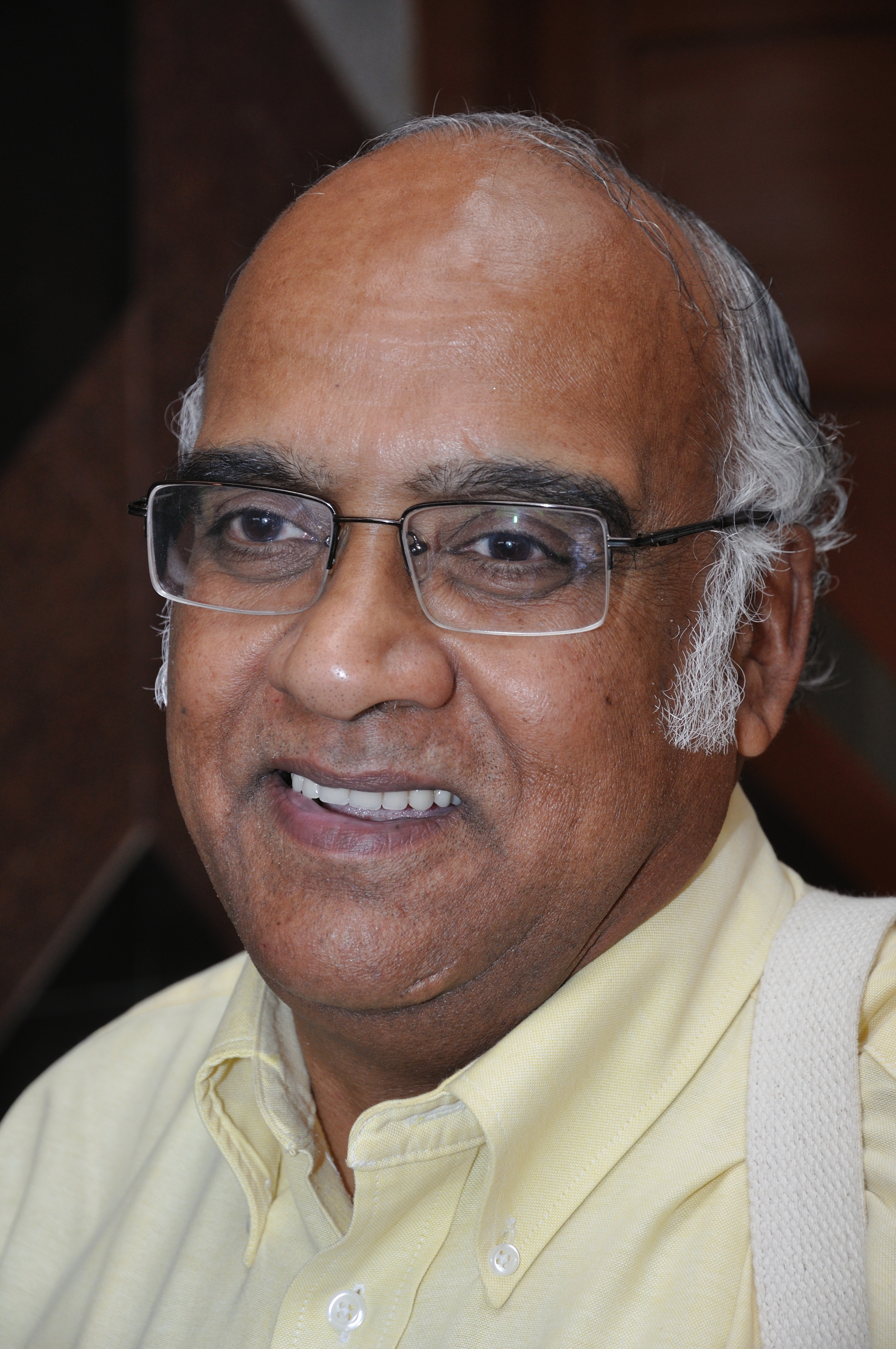
Prof. S. Sivaram

Plenary Address

Accomplishing Material Circularity: Why Is It So Challenging?

Abstract. In a world of finite resources and mounting environmental challenges, the traditional linear model of take-make-dispose is no longer viable. The circular material economy offers a transformative approach that prioritizes the continual reduction, reuse, refurbishment, and recycling of products and materials. It thereby conserves precious resources in the face of increasing supply chain disruptions, resource scarcity, and volatility of resource prices. The shift to a circular economy also reduces the generation of waste and greenhouse gas emissions, making it an essential strategy in the fight against the triple planetary crisis of climate change, end-of-life wastes and biodiversity loss. Besides increasing environmental resilience, the circular economy offers a systemic solutions framework with substantial economic and societal benefits such as job creation and innovation, increased competitiveness, enhanced resilience of businesses, cost savings as well as improved social equity and well-being by ensuring a just transition for all impacted communities.

However, a universally recognized truth is that the circular economy goal is an ideal state, like justice and happiness. Circularity must be viewed as a journey, not as a destination to arrive, since achieving “perfect” circularity is impossible for human-made materials and energy economy. The concept of circular economy is simple and is fuelled by inspiration and idealism, yet execution requires systems, resilience, discipline, and a problem-solving approach to overcome real-world obstacles. It is therefore not surprising that the global economy consumed roughly 100 billion tonnes of materials in 2024, of which less than 8% came from circular technologies.

Moving from the conceptual idea to the implementation requires overcoming several challenges, whose dimensions we do not comprehend completely. These are, to name a few, quantitatively mapping the material flow through the life cycle of the product, understanding the cradle-to-grave supply and value chains, the ability to find optimal solutions to overcome the entropic penalty of creating high-quality end-products from waste materials embedded in products and dissipated in the environment, achieving circularity with least net-addition to the GHG and water inventory as well as loss of biodiversity of the earth systems, and creating a “material-circularity transition index” to track material-specific progress achieved in meeting circularity performance and readiness. As of today, for many circular economy challenges, we do not have proven and optimal solutions to “close the loop.”

The circular economy is both an obligation and an opportunity alike. However, seizing the opportunities will require more scientific and technical knowledge, much of which is still lacking. Besides, key levers of advancing circularity goals will depend not only on the actions of the manufacturing industry but on broader enablers including policy and regulatory frameworks, infrastructure readiness and investments, behavioural changes, market economics and a viable offtake market.

In this lecture, I will discuss the important factors that make circularity such a daunting challenge for materials and energy. I will identify barriers in terms of material design and energy demand as well as the importance of a “systems-approach” to potential solutions. Tinkering with solutions at the end-of-life pipeline alone is not sufficient; we must look at the top of the value chain in seeking a deeper transformation in the fundamental design of materials from “first principles” for meeting the goals of a circular economy.

Biography. Prof. Swaminathan Sivaram is an internationally renowned polymer chemist, educator, and scientific leader with over five decades of contributions to polymer science, technology, and policy. He served as the Director of the CSIR National Chemical Laboratory (CSIR-NCL), Pune, from 2002 to 2010, and is currently an Honorary Professor and a member of the Board of Governors at the Indian Institute of Science Education and Research (IISER), Pune. He received his BSc from Madras Christian College, his MSc from IIT Madras, and his PhD in Chemistry from Purdue University, USA, followed by postdoctoral research at the University of Akron. After a successful industrial research career in the US and India, he joined CSIR-NCL in 1988, establishing a world-class laboratory in polymer science. His research interests focus on polymer synthesis, catalysis, sustainable polymers, and materials for clean energy. He has published over 250 research papers, authored or edited several books, and holds over 100 patents, including 50 US patents. For his exemplary contributions to science and technology, Prof. Sivaram was awarded the Padma Shri by the President of India in 2006. He is an elected Fellow of all the major science and engineering academies in India, as well as the World Academy of Sciences (TWAS). He has received numerous awards, including the Vasvik Award, the Om Prakash Bhasin Award, the FICCI Award, and the Lifetime Achievement Award of the Indian Chemical Society.

Keynote 1TTJ Auditorium

11:00 — 11:45

Mr. Romit Sen

Keynote Address 1

Biography. Romit Sen is the Senior Vice President, Sustainability at HSBC India. In this role, he leads HSBC India’s environment and financial inclusion community investment initiatives and works closely with cross-functional teams to advance the bank’s broader climate and sustainability agenda. Romit is an environmental and sustainability professional with 21 years of experience spanning programme design and delivery, action research, and evidence-based advocacy across development-sector organisations, international NGOs, and industry chambers. He currently serves as an Advisory Council Member of the People’s World Commission on Drought and Flood. Previously, he was a member of the Ministry of Jal Shakti’s committee on Water Use Efficiency and served as a Technical Committee Member of the Alliance for Water Stewardship. Romit holds a Master’s degree in Natural Resources from TERI School of Advance Studies and a Bachelor’s degree in Botany from the University of Delhi.


Followed by a tea break in the ICSR Foyer, 11:45 — 12:00. Parallel sessions begin at 12:00 in Hall III and the TTJ Auditorium.

Keynote 2TTJ Auditorium

15:00 — 15:45

Prof. Madhavi Srinivasan

Keynote Address 2 · NTU Singapore

“From Waste to Worth”: Sustainable Lithium-ion Batteries Recycling

Abstract. The rapid proliferation of lithium-ion batteries (LIBs) powering electric vehicles and portable electronics has created an unprecedented demand for critical minerals including lithium, cobalt, nickel, and manganese while simultaneously generating a growing wave of spent battery waste projected to reach 314 GWh by 2030 (which translates to roughly 11-12 million metric tons of spent LIBs). Addressing this dual challenge of resource scarcity and e-waste requires innovative recycling technologies that are not only efficient but also environmentally sustainable and economically viable. This talk presents the challenges and opportunities in lithium ion battery recycling. Specifically, we will highlight some of our work on green hydrometallurgy, direct recycling, upcycling of extracted elements, closed-loop cathode and anode regeneration. Regenerated cathode and anode from recycled spent LIBs were fabricated back into new LIBs to evaluate the concept of closed loop recycling. Highlighting some examples we demonstrate that spent LIBs are not waste; they are an urban mine of critical materials waiting to be reclaimed, contributing to a potential circular battery economy.

Biography. Prof. Madhavi Srinivasan is a Professor in the School of Materials Science & Engineering and President’s Chair in Sustainability at Nanyang Technological University (NTU, Singapore). She serves as the Executive Director of the Energy Research Institute at NTU (ERI@N) and co-Director of SCARCE (Singapore-CEA Alliance for Research in Circular Economy). Ranked among the top 1% of highly cited researchers worldwide (Clarivate), her research focuses on advanced materials for a sustainable circular economy, novel energy storage systems, and the recycling of e-waste and lithium-ion batteries. She has published over 400 research papers, holds 45 patents, and has received prestigious honors including the Singapore President's Public Administration Silver Medal (2025) and the UL-ASEAN-US Science Prize for Women. Prof. Madhavi collaborates globally with industry partners such as BMW, Rolls Royce, and Bosch to advance translation-ready clean energy solutions.


Preceded by lunch on the ICSR Lawn, 13:30 — 15:00. Followed by a tea break, 15:45 — 16:00.

Distinguished · 12:00–12:20

Prof. Arun K. Tangirala

IIT Tirupati

Data-Driven Circularity: Optimization and Intelligence in Industrial Systems

Abstract. Circular industrial systems demand real-time optimization, resource tracking, and smart decision-making frameworks. This talk presents how data-driven modeling and machine learning can be leveraged to optimize material loops and energy efficiency in circular manufacturing. We explore the role of predictive control and system identification in handling the inherent variability of recycled inputs and fluctuating renewable energy sources. Through case studies in chemical processing and industrial manufacturing, we demonstrate that integrating system intelligence with circular design principles can significantly reduce waste and resource footprints while maintaining high process stability and product quality.

Biography. Prof. Arun K. Tangirala is a Professor in the Department of Chemical Engineering at the Indian Institute of Technology (IIT) Tirupati. His research interests lie in the area of process control, system identification, and data-driven modeling. He has published extensively in international journals and is the author of the widely used textbook on system identification. He works closely with industry partners to implement smart decision intelligence and process systems engineering solutions for sustainability.

Distinguished · 12:00–12:20

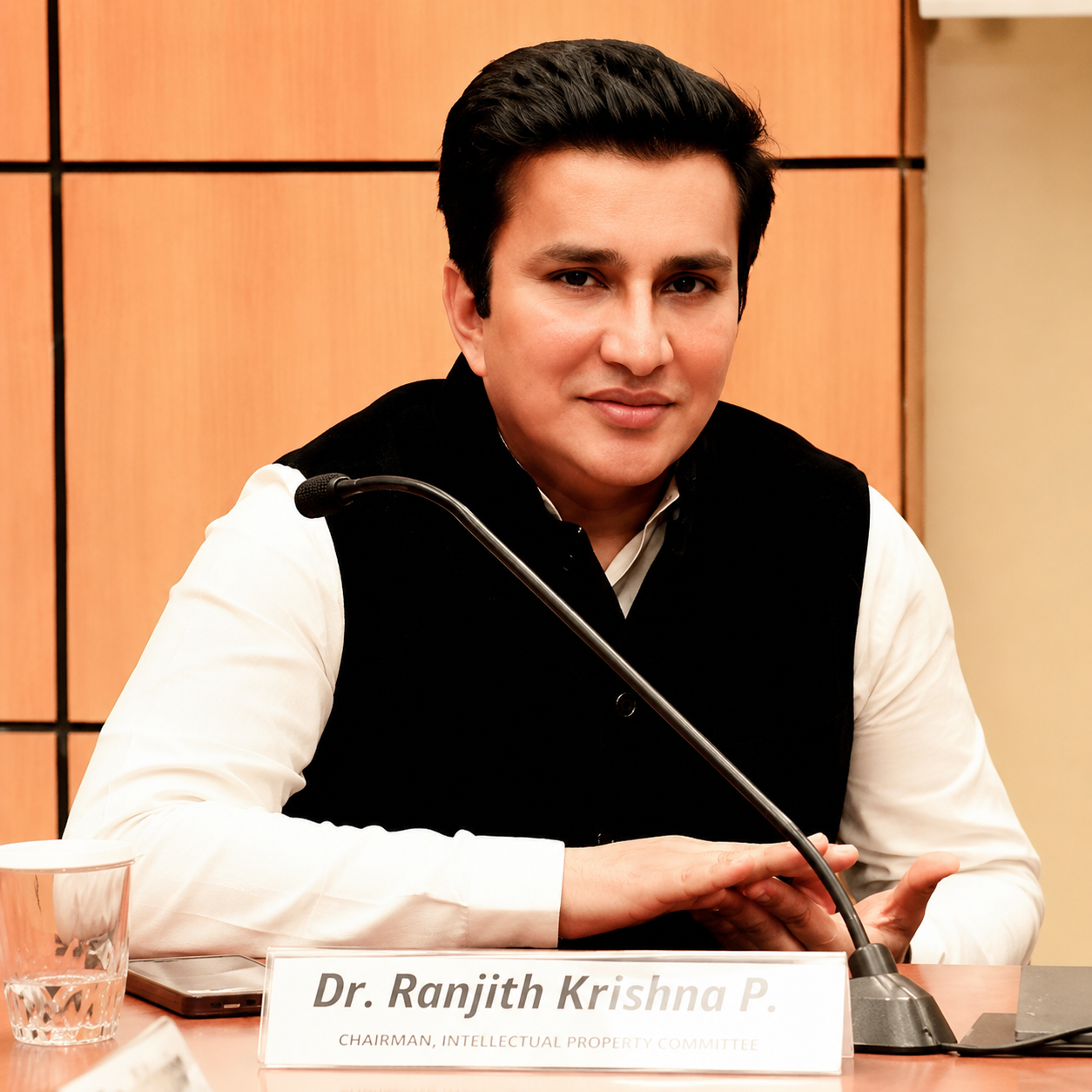
Dr. Ranjith Krishna Pai, PhD, FRSC

DST, Government of India

From Advanced Energy Storage Materials to Hydrogen Valley Innovation Clusters: Accelerating India’s National Green Hydrogen Mission

Abstract. The global transition towards net-zero emissions demands integrated solutions that combine renewable energy, advanced energy storage, green hydrogen, and circular resource utilization. India’s National Green Hydrogen Mission (NGHM) has emerged as a transformative initiative to accelerate industrial decarbonization while strengthening energy security and sustainable economic growth. This keynote presents the Department of Science and Technology’s (DST) strategic roadmap for advancing the green hydrogen ecosystem through research, innovation, technology demonstration, and large-scale deployment.

The presentation highlights DST’s achievements in advanced energy storage materials, hydrogen and fuel cell technologies, Centres of Excellence, and international collaborative programmes that bridge fundamental research with industrial applications. Special emphasis is placed on the development of Hydrogen Valley Innovation Clusters (HVICs), which integrate renewable hydrogen production, storage, transportation, and end-use applications across sectors such as steel, fertilizers, mobility, and chemicals. These regional innovation ecosystems demonstrate how circular energy systems can accelerate technology commercialization while fostering collaboration among academia, industry, startups, and government.

The keynote also discusses India’s progress under the National Green Hydrogen Mission, including policy interventions, pilot projects, indigenous technology development, skill enhancement, and global partnerships that support the transition toward a low-carbon economy. Finally, future opportunities for scaling Hydrogen Valleys, circular hydrogen value chains, and sustainable energy systems are outlined, highlighting India’s growing role in the global clean energy transition.

Keywords: Green Hydrogen, National Green Hydrogen Mission, Hydrogen Valley Innovation Clusters, Energy Storage, Circular Economy, Industrial Decarbonization, Sustainable Energy, Net Zero, Clean Energy Technologies.

Biography. With over 24 years of distinguished experience across frontier research and national-level science leadership, Dr. Ranjith Krishna Pai stands at the forefront of India’s clean energy and hydrogen innovation ecosystem. Blending deep scientific expertise with strategic policy vision, he has played a transformative role in advancing materials science, energy technologies, and mission-driven research aligned with India’s decarbonization goals.

Dr. Pai earned his Ph.D. in Natural Sciences (Chemistry) from Ulm University, Germany (2005). He subsequently built an impressive international research portfolio with leading global institutions, including the University of Chile, Stockholm University (Sweden), Brookhaven National Laboratory (USA), and the International Iberian Nanotechnology Laboratory (Portugal).

His research spans nanostructured hybrid materials, organic and hybrid photovoltaics, biosensing platforms, electrocatalysis, supercapacitors, sodium-ion batteries, hydrogen evolution systems, and advanced energy storage technologies. His contributions have resulted in high-impact publications, book chapters, and edited international volumes in advanced materials and clean energy domains.

In academia, Dr. Pai served as Associate Professor and Research Group Leader at Jain University (2013), where he led pioneering research in nanostructured hybrid functional materials and devices. He is also an Adjunct Professor, actively guiding Ph.D. scholars and research fellows. In this capacity, he contributes to teaching and mentoring, supports academic curriculum development, collaborates on research projects and international publications, and strengthens industry-academia linkages to accelerate translational innovation.

Currently, Dr. Pai serves as Scientist ‘F’ and Senior Director in the Climate, Energy & Sustainable Technology Division, Department of Science & Technology (DST), Government of India. He leads national programs in Materials for Energy Storage and Hydrogen & Fuel Cell Technologies, conceptualizing and steering approximately 180 R&D projects with a cumulative portfolio of around ₹500 crore. Several supported technologies are progressing toward commercialization in partnership with premier academic institutions and industry stakeholders.

A key architect of India’s hydrogen ecosystem, Dr. Pai plays a strategic role in the National Green Hydrogen Mission (MNRE). He serves on advisory groups for Green Hydrogen, Green Ammonia, and Green Methanol standards, and acts as Member Secretary of the Hydrogen Valley Innovation Cluster appraisal framework. He is also the DST Nominee Director on multiple Hydrogen Valley Foundations (Odisha, Kerala, Pune, and Jodhpur), a Board of Governors member at IISER Pune, and contributes to R&D appraisal committees of MNRE and the Ministry of Railways.

Representing India in major multilateral platforms and international collaborations, including Indo-Danish green fuel partnerships, Dr. Pai has strategically guided the translation of laboratory research into deployment-ready technologies. His leadership has enabled commercialization pathways for Vanadium Redox Flow Batteries for rural electrification, sodium-ion battery systems for e-mobility, quantum-enabled green hydrogen production, and advanced metal hydride-based hydrogen purification, compression, and storage systems.

Distinguished · 16:00–16:20

Prof. Vanchiappan Aravindan

IISER Tirupati

Na-ion Batteries from Spent Li-ion Batteries

Abstract. Sodium-ion batteries (NIBs) have emerged as a promising next-generation energy storage technology and a viable alternative to conventional lithium-ion batteries (LIBs). However, unlike lithium, sodium cannot be efficiently intercalated into graphite to form stable binary graphite intercalation compounds (NaC6 or NaC8) because of thermodynamic constraints, particularly in conventional ester-based electrolytes. In this study, we demonstrate an effective approach for recovering both the graphite anode and polypropylene (PP) separator from spent LIBs and repurposing them for NIB applications. Using ether-based electrolytes, reversible Na+ intercalation into the recovered graphite is achieved through a solvent co-intercalation mechanism. This strategy facilitates the stabilization of a ternary graphite intercalation compound, enabling highly reversible sodium storage. Full NIB cells were assembled using carbon-coated Na3V2(PO4)3 as the cathode, recovered graphite as the anode, and tetraethylene glycol dimethyl ether (TEGDME) as the electrolyte solvent, along with the recovered PP separator under balanced mass-loading conditions. Comprehensive structural, morphological, and electrochemical analyses were conducted on each recycled component. The resulting graphite/PP/Na3V2(PO4)3 full-cell configuration achieved a maximum energy density of 78 Wh kg−1 at room temperature, based on the total mass of active materials. To further enhance electrochemical stability, graphite-decorated electrospun carbon nanofibers were developed, exhibiting exceptional cycling performance with stable operation over 10,000 cycles and negligible capacity degradation. Finally, the electrochemical transformation of LiFePO4 into NaFePO4 was demonstrated, followed by the successful assembly of a NaFePO4/graphite full cell, highlighting an additional pathway for recycling and repurposing LIB materials in NIB systems.

Keywords. Na-ion battery; graphite anode; solvent co-intercalation; spent Li-ion battery; recycling.

Biography. Dr. Vanchiappan Aravindan is currently an Associate Professor in the Department of Chemistry at IISER Tirupati, India. His research focuses on developing high-performance electrodes and electrolytes for Li-ion and next-generation batteries, as well as on recycling spent Li-ion batteries, discarded solar panels, and single-use plastics. He has published more than 285 research articles, holds 10 patents, and has an h-index of 77 with over 21,000 citations. He is a Fellow of both the Royal Society of Chemistry (FRSC) and the Institute of Physics (FInstP), UK. He is also a recipient of the prestigious Swarnajayanti Fellowship (2020) from the DST, Government of India, along with notable honours such as the MRSI Medal (2020) and the MRSI Materials Science Annual Research Prize (2021). He is currently serving as an Associate Editor for Sustainable Energy & Fuels, RSC.

Invited · 12:25–12:45

Dr. Ananth Govind Rajan

IISc Bengaluru

Advancing Materials Design for Sustainability via Machine Learning: CO2 Capture and Conversion

Abstract. Research problems involving the capture and conversion of carbon dioxide (CO2) form some of the most pressing global challenges. The capture of CO2 from flue gas and its thermochemical conversion to valuable chemicals are the key to a sustainable future. In this talk, we use machine learning (ML) approaches coupled with atomic-scale simulations to design materials for CO2 capture and conversion. We develop STRONG (STring Representation Of Nanopore Geometry), a language for nanopores in 2D materials that enables ML via recurrent neural networks, predicting formation energies/times of arbitrary nanopores and transport barriers for CO2, N2, and O2 gas molecules. Furthermore, we present a data-driven approach for massive reaction network exploration for CO2 conversion accelerated by machine learning, combining extensive density functional theory (DFT) calculations, ML for activation barrier prediction, and human intelligence-inspired reaction enumeration to enable automated kinetic modeling of CO2 hydrogenation on copper, a key process to produce fuels and chemicals. We construct the largest dataset of 152 elementary CO2 reduction reactions and experimentally determine CO2 conversion, finding that even large networks with 100+ reactions are insufficient; in contrast, our approach reveals 9389 elementary reactions, reducing human bias in the reaction pathway. We unravel 40-fold higher CO2 conversion rates, following experimental trends of methanol and CO production, and establish the crucial role of intermolecular hydrogen transfer and hydrogenation by molecular hydrogen, a surprising ML-enabled discovery validated post-facto. The proposed strategy to comprehensively model complex catalytic mechanisms will significantly advance catalysis research and carbon conversion processes, accelerating the discovery and understanding of materials and mechanisms for CO2 conversion processes.

Biography. Dr. Ananth Govind Rajan is an Associate Professor in the Department of Chemical Engineering at the Indian Institute of Science (IISc), Bangalore. He received his B.Tech. from the Indian Institute of Technology (IIT) Delhi in 2013 and his Masters and Ph.D. in Chemical Engineering in 2015 and 2019, respectively, from the Massachusetts Institute of Technology (MIT). Subsequently, he conducted postdoctoral research at Princeton University, before joining IISc in 2020 as an Assistant Professor and being promoted in 2025. Dr. Govind Rajan’s research interests lie in the modeling and simulation of nanomaterials, including their synthesis and applications for clean energy and water technologies. His group focuses on combining quantum-mechanical and molecular simulations with machine learning for modeling materials for membrane separations, electrochemical water splitting, and catalytic carbon dioxide reduction to chemicals. He was recently featured by Nature Index as one of three scientists pushing chemistry in new directions. He is an Associate of the Indian National Academy of Engineering and the Indian Academy of Sciences.

Invited · 12:25–12:45

Mr. K. P. Murthy

Governing Council Member Bamboo Society of India, Former Senior General Manager BOSCH India

Sustainable Engineering Applications of Bamboo – A Deep Dive

Abstract. The talk will focus on several engineering applications of bamboo. Bamboo, historically recognized as a versatile, fast-growing woody grass, is gaining prominence as a critical material in the modern sustainable engineering paradigm. This presentation explores the structural, mechanical, and ecological properties of bamboo that make it a viable alternative to conventional carbon-intensive materials like steel, concrete, and plastic. We discuss advanced processing techniques such as engineered bamboo composites, cross-laminated bamboo, and thermal/chemical treatments that enhance its durability, fire resistance, and load-bearing capacity. The deep dive covers diverse engineering applications, including green building construction, wind turbine blades, automotive components, and soil bio-engineering for slope stabilization. By analyzing lifecycle carbon footprints, economic viability, and supply chain scalability, the talk demonstrates how integrating engineered bamboo into mainstream engineering can drive decarbonization, support circular economies, and foster rural livelihood development.

Biography. Mr. K. P. Murthy is a Governing Council Member of the Bamboo Society of India and the Former Senior General Manager at BOSCH India. With decades of industrial leadership and engineering expertise, he now spearheads initiatives promoting bamboo as a sustainable engineering material. He collaborates extensively with academic institutions, government bodies, and industrial sectors to develop standardized testing protocols, processing technologies, and commercial applications for engineered bamboo, aiming to accelerate the transition to circular industrial ecosystems.

Dr. Venkatasailanathan Ramadesigan
QR Code

Profile & materials
View online ↗

Invited · 16:25–16:45

Dr. Venkatasailanathan Ramadesigan

IIT Bombay

Synergistic Critical Mineral Recovery: A Waste-for-Waste Framework for Sustainable Battery Recycling

Abstract. As the global transition toward electric mobility accelerates, securing a sustainable life cycle for lithium-ion batteries is imperative for mineral security and environmental preservation. This talk introduces an integrated metallurgical framework designed to enhance resource efficiency by combining mild thermal reduction with acid-free lithium recovery. A “waste-for-waste” strategy, which replaces conventional, high-cost reducing agents with waste polyolefins, has been developed to facilitate the decomposition of spent cathode materials. Utilizing an ex situ co-pyrolysis technique, reductive gases generated from the plastic waste interact with the cathode black mass to transform complex transition-metal oxides into water-leachable salts. This process achieves high extraction efficiencies while simultaneously valorizing polymer waste into high-calorific liquid fuels. By aligning battery recycling with broader plastic waste management, this strategy offers a scalable and environmentally benign pathway for advancing circularity in the battery industry and establishing a resilient supply chain for critical raw materials.

Biography. Venkatasailanathan Ramadesigan is a Professor in the Department of Energy Science and Engineering at IIT Bombay, with research spanning electrochemical energy systems, battery sustainability, techno-economic modelling, and energy transition modelling. His work integrates physics-based and data-driven approaches to analyze lithium-ion battery performance, degradation, and safety, with direct relevance to battery recycling and second-life applications. In parallel, his research on energy transitions examines the role of energy storage, electrification, energy transition, and policy in enabling low-carbon energy systems, supporting efficient and sustainable pathways across the energy value chain.

Invited · 16:00–16:20

Dr. Shilpi Kushwaha

CSIR-Central Salt and Marine Chemicals Research Institute, Bhavnagar

From Molecular Precision to Sustainable Ecosystems and Green Supply Chains: A Chemistry-Centric Perspective for Resource, Water, and Energy Security

Abstract. The transition from linear industrial production models to sustainable industrial ecosystems requires the integration of resource efficiency, circularity, and environmental responsibility across the entire value chain. In this context, chemistry plays a pivotal role in enabling the development of advanced materials and processes that support sustainable manufacturing, resource recovery, water treatment, and clean energy generation. Recent advances in supramolecular chemistry, porous materials, membrane science, and catalytic systems have enabled the design of functional materials with precisely engineered structures and properties. We have employed such materials for critical mineral recovery, selective molecular separations, wastewater remediation, and electrochemical energy conversion. The development of hydrogen-bonded organic frameworks, molecularly woven materials, microporous membranes, and catalytic thin films has demonstrated the molecular-level control translated for enhanced performance in separation and energy-related applications.

The principles of sustainable industrial ecosystems are increasingly being realized through the integration of resource recovery, waste valorization, clean water technologies, and renewable energy systems. Industrial waste streams are being viewed as secondary resources, while seawater and other unconventional feedstocks are being explored as reservoirs of strategic and critical elements. Simultaneously, energy-efficient separation technologies and green catalytic processes are contributing to reductions in resource consumption and environmental impact. A chemistry-oriented perspective on sustainable industrial ecosystems is presented, highlighting the role of molecular design in addressing challenges associated with critical mineral security, water sustainability, circular manufacturing, and green energy production. The interconnections between advanced functional materials, industrial processes, and green supply chains are examined, illustrating how molecular innovations can contribute to resilient, low-carbon, and resource-efficient industrial systems. Particular emphasis is placed on opportunities for integrating chemistry, materials science, and engineering toward the realization of future sustainable technologies.

Biography. Dr. Shilpi Kushwaha is a Senior Scientist at CSIR-CSMCRI. She earned her Ph.D. in Chemistry from the M. S. University of Baroda in 2012, and later received the Fulbright Post-Doctoral Scholarship in 2013 to work at the Biodesign Institute, Arizona State University, Tempe, Arizona, USA. She received the DST Young Scientist award during 2015–2018 and worked in the Organic Chemistry Division of CSIR-National Chemical Laboratory, Pune. She joined CSIR-CSMCRI as a scientist in 2018 and received the CSIR Young Scientist Award in 2021 for her work on the extraction of uranium from secondary sources such as seawater and acidic effluents using crystalline thin films and polymeric nano-rings.

Her core expertise lies in chemistry, focused on the synthesis of function-specific small organic molecules, hydrogen-bonded organic frameworks, and supramolecular self-assemblies and woven materials. Her lab is currently progressing in transforming molecular materials into nanomaterials — 2D sheets, fibers, rings, spheres, thin films, etc. — and utilizing them in separation science, i.e., uranium extraction via adsorption, molecular sieving via size exclusion/diffusion, and catalysis via small-molecule activation. She has published 40 papers in high-impact journals and holds a few patents to her credit.

Invited · 16:25–16:45

Dr. Sankha Karmakar

IIT Madras

Waste to Wealth: Facile Activation of Red Mud Waste and Insights into Industrial Reactive Dye Removal from Wastewater

Abstract. Reactive dyes, widely applied in the textile industry for their vibrant colors, excellent fastness, and ease of application. Their presence poses multifaceted threats to aquatic ecosystems and health risks, including skin irritation, allergic reactions, respiratory problems, and increased cancer risk. In response to these challenges, this study explores the potential of acid-activated red mud, an industrial solid waste by-product from the aluminum industry, as an economical adsorbent for the removal of commercial reactive dyes from industrial wastewater. The robustness of the employed Box–Behnken design is evidenced by the high determination coefficient (0.997) and correlation coefficient (0.994) values. The optimum acid activation condition was determined to be 385 K activation temperature, 91 minutes activation time, and 2.5 N HCl acid concentration, resulting in a 99.24 ± 0.04% removal efficiency for reactive dyes. Analysis of X-ray Diffraction and X-ray Fluorescence data revealed that the activation process significantly increased the composition of Al and Fe compounds. This enhancement was achieved by eliminating compounds that block active sites and improves the overall surface area from 37.35 m2/g to 173.81 m2/g. Detailed morphological analysis, conducted through high-resolution transmission electron microscopy and scanning electron microscopy, reveals profound transformation in the surface structure. The study primarily focuses on removing four commercial reactive dyes: Reactive Blue 2 (RBL-2), Reactive Black 5 (RBK-5), Reactive Red 24 (RR-24), and Reactive Yellow 15 (RY-15). These dyes demonstrate maximum adsorption capacities of 118.24 mg/g, 121.02 mg/g, 129.19 mg/g, and 142.64 mg/g, respectively. In order to comprehend the interactions between dye molecules and the adsorbent, a first principle based model was employed to simulate the adsorption kinetics.

Biography. Dr. Sankha Karmakar is an Assistant Professor in the Department of Chemical Engineering at IIT Madras, and Organising Secretary of SustainX 2026. He is a leading researcher in metal–organic framework (MOF) science and its integration into mixed matrix membranes for water treatment, resource recovery, and environmental applications. He earned his M.Tech and Ph.D. in membrane separation technology from IIT Kharagpur, and previously served on the faculty at the Institute of Chemical Technology, Odisha, and NIT Durgapur. He was recently awarded the ANRF Early Career Research Grant and serves on the Early Career Editorial Board of the Journal of Water Process Engineering.

Session Chair · Session 1 · 12:00–13:30

Dr. Abhinav Sankar Raman

IIT Madras

Biography. Abhinav S. Raman is a chemical engineer by training with research interests in the areas of computational physical chemistry, AI/ML, and electronic structure of reactive systems in the condensed phase. He is currently an Assistant Professor in the Department of Chemical Engineering at IIT Madras, where his group combines advances in machine learning with molecular simulations to understand complex systems. Before this, he was a postdoctoral research associate working with Prof. Annabella Selloni in the Department of Chemistry at Princeton University, where his research focused on developing deep neural network potentials to describe aqueous-oxide interfaces relevant to electrocatalysis and environmental geochemistry. He received his Ph.D. in Chemical Engineering from the University of Pennsylvania, working with Prof. Aleksandra Vojvodic on the surface electronic structure of catalytically relevant transition metal oxides. Prior to that, he obtained his Master’s in Chemical Engineering from Rutgers University, working with Prof. Yee Chiew on the molecular thermodynamics of complex fluids. Before embarking on this random walk in the United States’ northeast, he completed his undergraduate studies in Chemical Engineering at SASTRA University. Outside of science, he enjoys catching up on Indian history, brushing up on his Tolkien trivia, following Manchester United, and rooting for the Chennai Super Kings.

Session Chair · Session 2 · 12:00–13:30

Dr. Swapna Singha Rabha

IIT Madras

Biography. Dr. Rabha joined the Chemical Engineering Department of the Indian Institute of Technology Madras in 2021 as an Assistant Professor. She received her doctoral degree in Chemical Engineering from the Indian Institute of Technology Delhi on “microscopic gas–liquid flows.” After her Ph.D., she carried out postdoctoral research at various international laboratories and institutes, including Helmholtz-Zentrum Dresden-Rossendorf, Dresden, Germany; the National Energy Technology Laboratory, Morgantown, USA; and Imperial College London, United Kingdom, before returning to India and joining IIT Madras in 2021. Dr. Rabha’s research interest lies in multi-scale studies (both experimental and numerical) of multiphase flows, covering from fundamental study to industrial applications such as slurry bubble columns, carbon capture, gas–liquid phase mixing, and adsorption by solid sorbents. She is also interested in flow transport and mixing in permeable media for CO2 sequestration and groundwater contamination technologies.

Session Chair · Session 3 · 16:00–17:30

Prof. Nitin Muralidharan

IIT Madras

Biography. Prof. Nitin Muralidharan is a materials scientist and chemical engineer with a background in next-generation energy storage technologies for electric vehicle (EV) and electric vertical take-off and lift (eVTOL) applications. His research expertise encompasses key directions in Li- and Na-ion and metal batteries, solid-state batteries, and next-generation electrochemical energy storage systems. He was part of the team that won two R&D 100 Awards – also termed the “Oscars of Innovation” – in 2020 and 2022, for inventions such as a novel cobalt-free cathode material for batteries and SOLIDPAC. Prior to joining IIT Madras, Dr. Muralidharan was a Staff Scientist at the United States Department of Energy’s Oak Ridge National Laboratory (ORNL), where he was also a postdoctoral research associate at the DOE’s Battery Manufacturing Facility (BMF) and a finalist for the globally competitive Weinberg Distinguished Staff Fellowship in 2018. He received his doctoral degree in Interdisciplinary Materials Science from Vanderbilt University in Nashville, Tennessee, USA. Prof. Muralidharan joined the Department of Chemical Engineering at IIT Madras in April 2023 and is currently establishing an R&D group aimed at developing material-driven solutions to combat challenges pertaining to the climate–water–energy nexus. During his free time, he enjoys spending quiet days with family, going on long drives, exploring the various geographical landscapes the world has to offer, and listening to some of his favourite music.

Session Chair · Session 4 · 16:00–17:30

Dr. Khushboo Suman

Assistant Professor, Department of Chemical Engineering, IIT Madras

Biography. Dr. Khushboo Suman is an Assistant Professor in the Department of Chemical Engineering at IIT Madras. She completed her B.Tech at the National Institute of Technology Durgapur (2009–2013), before pursuing her Ph.D. at the Indian Institute of Technology Kanpur (2015–2020) under the guidance of Prof. Yogesh M. Joshi. She then carried out postdoctoral research at the University of Delaware (2020–2023) under the supervision of Prof. Norman J. Wagner. She serves on the Advisory Editorial Board of Physics of Fluids, and her academic record includes the Innovative Student Projects Award 2021 (Doctoral Level) from the Indian National Academy of Engineering (INAE) and the Outstanding Ph.D. Thesis Award from IIT Kanpur.

She leads the iSOFT laboratory, whose research theme centers on synthesizing and developing structure–property relationships in soft condensed matter systems, spanning the synthesis of nanoparticles, the structure and dynamics of colloidal glasses and gels, self-assembly in physically and chemically crosslinking systems, and the rheology, scattering, and microscopy of complex fluids. The lab’s vision is to advance the understanding of the flow and deformation behaviour of soft condensed materials and to open novel engineering design opportunities; current work spans the rheological characterization of phase transitions in thermoresponsive gels under physiological conditions, the strengthening of colloidal gels through the incorporation of rough nanoparticles, and the preparation of oleogels for food, cosmetic, pharmaceutical, and personal-care applications. Her research is supported by IIT Madras’s New Faculty Initiation Grant (synthesis of anisotropic nanoparticles) and an Exploratory Research Grant (novel thermoresponsive polymer gels for energy-storage applications).

Session 1Hall III

AI-Driven Circular Systems &
Smart Decision Intelligence

Time12:00 — 13:30
VenueHall III, ICSR
ThemeAI-Driven Circular Systems
Dr. Abhinav Sankar Raman
Chair · Dr. Abhinav Sankar RamanIIT Madras  ·  (Bio on p. 39)
  • 12:00–12:20DistinguishedProf. Arun TangiralaIIT Tirupati  ·  (Bio on p. 30)Data-Driven Circularity: Optimization and Intelligence in Industrial Systems
  • 12:25–12:45InvitedDr. Ananth Govind RajanIISc Bengaluru  ·  (Bio on p. 34)Advancing Materials Design for Sustainability via Machine Learning: CO2 Capture and Conversion

Student Presentations · 12:50 — 13:30 · Abstracts p. 42

  • SUS-OP-0112:50–13:00Machine Learning Framework for Forecasting N2O Emissions in Industrial Wastewater Treatment SystemsSarisa Hemalatha, Seshagiri Rao Ambati · IIPE Visakhapatnam
  • SUS-OP-0213:00–13:10Physics-Informed Neural Networks for Turbulent Wake Reconstruction of a Marine Current TurbineThiagarajan Vijaya Lakshmi et al. · IIT Madras
  • SUS-OP-0313:10–13:20Comparative Evaluation of RL-based Single & Dual Agent Architectures against DE-Tuned PI Benchmark Controllers on Activated Sludge WWTPsSrinivas Tenneti, Seshagiri Rao Ambati · IIPE Visakhapatnam
  • SUS-OP-0413:20–13:30TransChem: A Hybrid Transformer-Cheminformatics Framework for Predicting Li-Ion Conductivity in Polymer ElectrolytesV. Parambil et al. · IIT Madras

Student Presentations

Day 2 · Session 1 — AI-Driven Circular Systems & Smart Decision Intelligence

Underlined — presenting author* — corresponding author†, ‡, § — author affiliations
SUS-OP-01 · 12:50–13:00

Machine Learning Framework for Forecasting N2O Emissions in Industrial Wastewater Treatment Systems

S. Hemalatha and S. R. Ambati*,†

Indian Institute of Petroleum and Energy, Visakhapatnam

* Corresponding author · seshagiri.che@iipe.ac.in

Abstract. The rising contribution of nitrous oxide (N2O) emissions from industrial wastewater treatment systems (WWTS) has further heightened the demand for more sophisticated predictive and monitoring tools to account for such emissions in global greenhouse gas (GHG) inventories. In this study, the framework of a soft sensor is proposed to predict the N2O emission based on the operational and process data generated by the industry-wide model of the wastewater plant and the GHG plant, developed by Tianyu Lei, Xavier Flores-Alsina and Krist V. Gernaey. The mechanistic model is developed to simulate N2O formation under different operational conditions and integrate biological N conversion pathways, gas–liquid mass transfer mechanisms. Machine learning (ML) soft sensors were designed based on process variables of dissolved oxygen, ammonium, nitrate, nitrite, airflow rate, influent COD, temperature and reactor loading conditions, to increase the ability of real-time prediction and decrease the complexity of mechanistic simulation. The performances of several supervised learning models were assessed for predicting N2O emission dynamics. Statistical parameters like R2, RMSE and MAE were used to evaluate the model performance. The results show that the proposed soft sensors based on ML can effectively capture the nonlinear relationships between the operational disturbances and the N2O emissions with high predictive accuracy and better computational efficiency than the conventional soft sensors based on mechanistic information. The hybrid process-based simulation and data-driven forecasting approach offers a powerful decision support approach for proactively monitoring emissions, optimizing operations and designing mitigation strategies for industrial wastewater treatment systems. Combining plant-wide GHG models with machine-learning methods to enable sustainable and low-carbon wastewater management towards a net-zero emission target is highlighted in this study.

SUS-OP-02 · 13:00–13:10

Physics-Informed Neural Networks for Turbulent Wake Reconstruction of a Marine Current Turbine

T. Vijaya Lakshmi, S. Rajendran and A. Samad*,†

Department of Ocean Engineering, Indian Institute of Technology Madras, Chennai, India

* Corresponding author · samad@iitm.ac.in

Abstract. Characterizing the turbulent wake of marine current turbines is essential for optimizing array layouts, yet obtaining dense full-field velocity measurements remains prohibitively expensive. This study presents a physics-informed neural network (PINN) framework for reconstructing the three-dimensional unsteady turbulent wake of a marine current turbine from sparse velocity observations. (continued overleaf)

The methodology is validated using synthetic data from Reynolds-averaged Navier–Stokes (RANS) simulations of the NREL Reference Model 1 turbine at laboratory scale (D = 0.5 m, Re ≈ 523,000). The network predicts mean velocity components, pressure, and six Reynolds stress components from spatiotemporal coordinates, with RANS equations embedded as soft constraints. A gradient-enhanced data loss formulation improves cross-flow velocity reconstruction by penalizing the network for failing to capture spatial velocity gradients. Hyperparameter optimization is performed using TPE-based Bayesian optimization, and adaptive gradient-norm-based loss weighting resolves competing optimization objectives. The framework achieves R2 ≈ 0.89 and Pearson correlation r ≈ 0.94 for the streamwise velocity, accurately reconstructing the wake deficit and temporal dynamics from only 10% of available snapshots. Variance decomposition analysis reveals that cross-flow components are bounded by a theoretical R2 ceiling of approximately 0.145 under the current spatial sampling density, confirming that the observed R2 ≈ 0.14 reflects near-optimal performance relative to training data information content rather than a model deficiency. Pressure is recovered as a latent variable without pressure training data. These findings demonstrate that PINNs offer a viable path toward full-field turbulent wake characterization from sparse measurements while providing quantitative insight into the interplay between spatial resolution and reconstruction fidelity.

SUS-OP-03 · 13:10–13:20

Comparative Evaluation of RL-based Single & Dual Agent Architectures against DE-Tuned PI Benchmark Controllers on Activated Sludge WWTPs

S. Tenneti and S. R. Ambati*,†

Indian Institute of Petroleum and Energy, Visakhapatnam

* Corresponding author · seshagiri.che@iipe.ac.in

Abstract. Aeration dominates the operational energy demand of municipal wastewater treatment plants, reportedly reaching 45–70% in activated-sludge systems that still constitute the majority of the global treatment fleet. Conventional PI loops are tuned from an individual cause-and-effect perspective and are blind to cross-loop dynamics, i.e. volatility in the dissolved-oxygen (DO) loop of the 4th or 5th tank in activated sludge systems perturbs nitrate set-point tracking in the 2nd anoxic reactor, because the internal recycle flow used as the nitrate loop manipulated variable propagates DO loop disturbances upstream. Decoupled tuning therefore underperforms whenever the disturbances are aggravated by extreme variation in influent quality, flow, or temperature. This study investigates whether deep reinforcement learning (RL) can identify and suppress these inter-propagating disturbances on the Benchmark Simulation Model No. 2 (BSM2), through two architectures. A single-agent formulation manipulates the oxygen-transfer coefficient (KLa5) and internal recycle (Qintr) jointly, with a reward function prioritizing set-point tracking, constraint safety, and disturbance rejection across influent, diurnal, and seasonal variability. A dual-agent formulation, aligned with industrial loop-by-loop commissioning, trains each agent against a PI-controlled counterpart before joint deployment. Both architectures are benchmarked against a PI controller optimized via differential evolution. Among PPO, DDPG, TD3, SAC, and A3C, PPO delivered the most stable training and the lowest tracking error. In dual-agent deployment, PPO reduced mean-squared tracking error by ~26% on the DO loop and ~12% on the nitrate loop relative to the DE-tuned PI baseline. The single-agent controller also outperformed PI but exhibited higher actuator volatility and lower performance than the dual-agent configuration overall. The dual-agent, loop-wise paradigm thus offers the more industrially adaptable route: measurable energy and effluent gains over a strong classical baseline, with staged commissioning and operator-familiar transitions.

SUS-OP-04 · 13:20–13:30

TransChem: A Hybrid Transformer-Cheminformatics Framework for Predicting Li-Ion Conductivity in Polymer Electrolytes

V. Parambil, U. Tripathi, H. Goyal and R. Batra*,†

Indian Institute of Technology Madras, Chennai

* Corresponding author · rbatra@iitm.ac.in

Abstract. Lithium-ion batteries have gained significant attention in applications ranging from portable electronics to electric vehicles and grid-scale energy storage. However, conventional liquid electrolytes pose safety risks and environmental concerns due to flammability and leakage. Solid polymer electrolytes (SPEs) offer a safer, more sustainable alternative with improved mechanical stability and recyclability. Over the past decade, machine learning (ML) approaches have accelerated the discovery of new SPE materials, reducing the experimental cost and waste associated with traditional trial-and-error methods. Among various ML models, transformer-based architectures such as TransPolymer have demonstrated superior performance over classical approaches by capturing complex contextual information embedded in polymer sequences. However, such deep learning models often operate as “black boxes,” limiting their interpretability and, consequently, their utility for advancing chemical understanding. In contrast, classical ML models based on cheminformatics-derived features offer greater interpretability but suffer from lower predictive accuracy and limited scalability across large chemical spaces. In this work, we introduce TransChem, a hybrid ML framework that integrates transformer architectures with cheminformatics-based descriptors to achieve state-of-the-art performance in predicting Li-ion conductivity of polymers. Our analysis demonstrates that incorporating cheminformatics features provides complementary, chemically meaningful information to the transformer-based model, enhancing both its predictive accuracy and interpretability. Furthermore, feature analysis on trained TransChem models identifies key chemical factors governing Li-ion conductivity in polymers, underscoring the interpretability of the framework. TransChem thus offers a promising hybrid approach for data-driven polymer design, with potential for extension to the broader field of molecular and materials informatics.

Session 2TTJ Auditorium

Circular Energy Systems &
Carbon Resource Valorization

Time12:00 — 13:30
VenueTTJ Auditorium
ThemeCircular Energy Systems
Dr. Swapna Singha Rabha
Chair · Dr. Swapna Singha RabhaIIT Madras  ·  (Bio on p. 39)
  • 12:00–12:20DistinguishedDr. Ranjith Krishna Pai, PhD, FRSCDepartment of Science & Technology (DST)  ·  (Bio on p. 31)From Advanced Energy Storage Materials to Hydrogen Valley Innovation Clusters: Accelerating India’s National Green Hydrogen Mission
  • 12:25–12:45InvitedMr. K. P. MurthyFormer Senior GM, Bosch Limited  ·  (Bio on p. 35)Sustainable Engineering Applications of Bamboo – A Deep Dive

Student Presentations · 12:50 — 13:30 · Abstracts p. 46

  • SUS-OP-0512:50–13:00Cooperative Game-Theoretic Framework for Circular EV Energy Ecosystem Planning: A Case Study of Mangaluru Taluk, Dakshina Kannada, Karnataka, IndiaAditya V. Padwalkar et al. · Chanakya University
  • SUS-OP-0613:00–13:10Techno-Economic Optimization of Solar-Driven Green Hydrogen Systems for Circular Energy Transition, Carbon Resource Valorization, and Industrial DecarbonizationSeshagiri Rao Ambati · IIPE
  • SUS-OP-0713:10–13:20Why India’s EV Battery Boom Is a Future Waste Crisis Waiting to Happen: A Multi-Stakeholder Analysis of Circularity GapsAman Srivastava et al. · IIT Madras
  • SUS-OP-0813:20–13:30Multi-Objective Life Cycle Optimization of Biomass-to-Value-Added Products Conversion NetworksKaushik Kundu et al. · IIT Delhi

Student Presentations

Day 2 · Session 2 — Circular Energy Systems & Carbon Resource Valorization

Underlined — presenting author* — corresponding author†, ‡, § — author affiliations
SUS-OP-05 · 12:50–13:00

Cooperative Game-Theoretic Framework for Circular EV Energy Ecosystem Planning: A Case Study of Mangaluru Taluk, Dakshina Kannada, Karnataka, India

Amartaya R. Nair, Aditya V. Padwalkar and Anupam Sharma*,†

School of Engineering, Chanakya University, Bengaluru, Karnataka

* Corresponding author · anupam.s@chanakyauniversity.edu.in

Abstract. The electrification of transportation stands out as a practical step toward creating circular energy systems, though real progress hinges on where and how charging stations are established. This paper presents a cooperative game theory approach for planning EV charging stations across Mangaluru Taluk, Dakshina Kannada district, Karnataka, India – a region undergoing rapid urbanization where EVs are gaining traction under the FAME-II policy and PM E-Drive policy. Four main stakeholders drive the decisions: MESCOM (the electricity utility), charging station operators, municipal land authorities, and EV fleet aggregators. Each group collaborates while pursuing its own priorities – revenue generation, land lease management, grid load handling, and keeping user travel costs in check. The Shapley value is applied to ensure fair distribution of benefits when stakeholders form coalitions in varying combinations. The framework does not treat EVs solely as energy consumers; it accounts for their potential to operate as Virtual Power Plants, returning energy to the system and reinforcing circular energy flows. The proposed plan establishes a two-tier corridor – inner and outer rings at 7.5 km and 15 km from Mangaluru’s centre – accommodating all electric vehicle types, from two-wheelers to buses. When stakeholders cooperate, station placements improve, the grid becomes more robust, and per-user charging costs decline compared to uncoordinated deployment. This work provides a practical blueprint for building circular EV energy ecosystems, with meaningful implications for sustainable urban mobility – particularly in India’s Tier-2 and coastal cities.

SUS-OP-06 · 13:00–13:10

Techno-Economic Optimization of Solar-Driven Green Hydrogen Systems for Circular Energy Transition, Carbon Resource Valorization, and Industrial Decarbonization

V Durga Praveena and Seshagiri Rao Ambati, PhD*,†

Department of Chemical Engineering, Indian Institute of Petroleum & Energy (IIPE), Vangali, Sabbavaram, Anakapalli, Andhra Pradesh

* Corresponding author · seshagiri.che@iipe.ac.in

Abstract. Sustainability has become a critical global imperative, with Circular Energy Systems and Carbon Resource Valorization serving as key pathways toward industrial decarbonization. Green hydrogen (gH2), produced using renewable energy sources, is a vital component of this transition due to its carbon-free generation and potential to replace fossil fuels in hard-to-abate sectors such as steel, chemicals, and heavy transport. (continued overleaf)

Although green hydrogen currently remains costlier than conventional alternatives, its environmental benefits and its ability to mitigate financial risks associated with policies like Carbon Border Adjustment Mechanisms (CBAM) and Carbon Credit Trading Systems (CCTS) make its integration increasingly advantageous. This study presents a simulation-based techno-economic evaluation of an integrated solar photovoltaic (PV) and alkaline electrolyzer system for green hydrogen production utilizing three years of solar irradiance data of Visakhapatnam, India.

Three configurations – direct coupling, MPPT-DC converter integration, and battery-assisted electrolysis – were analyzed for hydrogen yield, operational reliability, and Levelized Cost of Hydrogen (LCOH). Results show that battery-assisted systems enhance hydrogen production but significantly increase costs due to larger storage requirements. Optimized conditional and dynamic battery discharge strategies were therefore implemented to reduce electrolyzer tripping, improve equipment health, and ensure better return on investment. The minimum LCOH achieved was Rs 376/kg (3.66 €/kg), while conditioned discharge increased costs to Rs 434/kg (4.20 €/kg) with improved system stability. Grid-assisted integration yielded Rs 392/kg (3.80 €/kg). Overall, this work demonstrates that strategically optimized renewable hydrogen systems can strengthen sustainable energy transitions while offsetting future carbon compliance costs.

SUS-OP-07 · 13:10–13:20

Why India’s EV Battery Boom Is a Future Waste Crisis Waiting to Happen: A Multi-Stakeholder Analysis of Circularity Gaps

Aman Srivastava*,†, Krishna Malakar and Rahul Muralidharan

Indian Institute of Technology Madras, Chennai, Tamil Nadu

* Corresponding author · hs26r001@smail.iitm.ac.in

Abstract. India’s electric vehicle transition is predicated on a rapid shift to LFP (Lithium Iron Phosphate) chemistry (86% market share), yet the economic viability of LFP battery recycling remains critically underexamined within the policy architecture of the Battery Waste Management Rules, 2022. This study addresses the research gap between ambitious Extended Producer Responsibility (EPR) targets and the operational realities of domestic refining capacity. Employing a multi-stakeholder mixed-methods framework, we assessed circular design maturity, traceability readiness, and EPR compliance across OEMs (Original Equipment Manufacturers), battery producers, and formal recyclers. Results reveal a unanimous consensus (100% of stakeholders) that LFP recycling is presently unprofitable – a market failure wherein the dominant chemistry of the future constitutes a latent waste liability. Further findings expose a “closed-loop impossibility”: recyclers achieve 99.5% battery-grade material purity but lack domestic cell manufacturing offtakers, rendering the value chain linear (import–use–export). Additionally, while OEMs assert minimal leakage, recyclers report 60–90% feedstock sourcing from an informal sector disproportionately burdened by an 18% GST (Goods and Services Tax) rate on recycled scrap. We also identify a temporal misalignment wherein EPR collection targets are set for an 8-year horizon against a 15-year LFP lifespan. To reconcile policy intent with industrial viability, there is a need for a phased mandate for battery passports, chemistry-specific performance-based EPR targets, state-facilitated aggregation to formalize the informal sector, and targeted subsidies for LFP hydrometallurgical refining. We conclude that absent these structural interventions, India’s circular economy framework will remain a notional construct rather than a functional, closed-loop system.

SUS-OP-08 · 13:20–13:30

Multi-Objective Life Cycle Optimization of Biomass-to-Value-Added Products Conversion Networks

Kaushik Kundu, Avan Kumar, Hariprasad Kodamana*,† and Kamal K. Pant*,†,§

Dept. of Chemical Engineering, Indian Institute of Technology Delhi  ·  School of Sustainability, Arizona State University, Tempe, AZ  ·  §Dept. of Chemical Engineering, Indian Institute of Technology Roorkee

* Corresponding authors · H. Kodamana; K. K. Pant, kkpant@chemical.iitd.ac.in

Abstract. Biomass gasification is imperative to sustainable chemical production in the global transition to a circular bioeconomy, which essentially demands optimizing multi-product distribution on an industrial scale. This work tackles the challenge of upscaling laboratory results to a 1000 kg/hr pilot-scale refinery to navigate the best trade-off between economic and environmental net-positivity. It is hypothesized that an integrated surrogate model-based multi-objective optimization can address the non-linear complexities of the process to find a robust global optimum that conventional linear modeling cannot achieve. The adopted harmonized pipeline indicates that Aspen Plus generates a substantial data set of multiple scenarios to train Gaussian process regression models that are queried by the NSGA-II algorithm and ranked through the TOPSIS method with a customized Sustainability Index. Results indicate a stable globally optimal syngas distribution ratio of 0.07:0.07:0.28:0.58 for methanol, hydrogen, ammonia, and power generation, respectively, while using coconut shell as feedstock at a recycling scenario. Among the other biochar utilization pathways, life cycle assessment confirms that upcycling biochar into Carbon Black can achieve a 40% reduction in global warming potential and an 82.1% decrease in human toxicity. The SOBOL and Monte Carlo analyses further confirm that the optimized configuration can still achieve high sustainability and operational resilience under 10% operational variance and 20% biomass price fluctuation. Collectively, this study underscores the effectiveness of the suggested roadmap to bridge the gap between laboratory and industrial deployment, forming a resilient foundation for the next generation of carbon-negative biorefineries.

Session 3TTJ Auditorium

Circularity in Battery Industry &
Critical Minerals Recovery

Time16:00 — 17:30
VenueTTJ Auditorium
ThemeBattery Industry Circularity
Dr. Nitin Muralidharan
Chair · Dr. Nitin MuralidharanIIT Madras  ·  (Bio on p. 40)
  • 16:00–16:20DistinguishedProf. Vanchiappan AravindanIISER Tirupati  ·  (Bio on p. 33)Na-ion Batteries from Spent Li-ion Batteries
  • 16:25–16:45InvitedDr. Venkatasailanathan RamadesiganIIT Bombay  ·  (Bio on p. 36)Synergistic Critical Mineral Recovery: A Waste-for-Waste Framework for Sustainable Battery Recycling

Student Presentations · 16:50 — 17:30 · Abstracts p. 50

  • SUS-OP-0916:50–17:00Sustainable Recovery of Neodymium from E-Waste Using Citric Acid Leaching: Advancing Circularity in Critical Mineral Supply ChainsThamilselvi J, Vaani N · VIT Vellore
  • SUS-OP-1017:00–17:10A Scenario-Based Framework for District-Scale EV Battery End-of-Life Flows and Reverse Logistics Burden in IndiaJL Sriniketh et al. · IIT (BHU) Varanasi
  • SUS-OP-1117:10–17:20Spatiotemporal Foresight of EV Battery End-of-Life Flows in India: District-Scale Hotspots for Critical Mineral RecoverySuprava Mishra et al. · IIT (BHU) Varanasi
  • SUS-OP-1217:20–17:30Feasibility and Environmental Impact Analysis of Critical Metals under Sustainable EV FrameworksNidhi Pandey, Pankaj Pathak · SRM University-AP

Student Presentations

Day 2 · Session 3 — Circularity in Battery Industry & Critical Minerals Recovery

Underlined — presenting author* — corresponding author†, ‡, § — author affiliations
SUS-OP-09 · 16:50–17:00

Sustainable Recovery of Neodymium from E-Waste Using Citric Acid Leaching: Advancing Circularity in Critical Mineral Supply Chains

Thamilselvi J*,† and Vaani N

School of Civil Engineering, Vellore Institute of Technology, Vellore  ·  *Correspondence · thamilselvi.j2024@vitstudent.ac.in

Abstract. The accelerating demand for rare earth elements (REEs) has been driven by their critical role in low-carbon technologies. It creates pressure on primary resources and exposes vulnerabilities in global supply chains. At the same time, e-waste presents a promising secondary resource for REE recovery, enabling circular material flows. This research focuses on the recovery of neodymium using citric acid as a biodegradable and environmentally benign leaching agent. A systematic experimental approach was employed to evaluate the influence of leaching parameters, including time (1–3 h), temperature (30–60°C), and acid concentration (0.5 M, 1 M), on metal recovery efficiency. Results indicate that increasing temperature and leaching duration significantly enhance neodymium dissolution due to improved reaction kinetics. Maximum recovery was observed at higher acid concentration (1 M), attributed to stronger complexation between citrate ions and neodymium ions. The leaching process exhibited diminishing returns beyond the optimal reaction time, indicating the attainment of equilibrium conditions. The findings demonstrate the potential of organic acid-based hydrometallurgical processes as a sustainable alternative to conventional mineral acid leaching. By enabling efficient recovery of critical elements from waste streams, this approach supports closed-loop resource utilization and reduces environmental burdens associated with primary mining. The study contributes to advancing circularity in critical mineral supply chains and aligns with global sustainability goals, including responsible consumption (SDG 12) and climate action (SDG 13).

SUS-OP-10 · 17:00–17:10

A Scenario-Based Framework for District-Scale EV Battery End-of-Life Flows and Reverse Logistics Burden in India

JL Sriniketh, Suprava Mishra and Agnivesh Pani*,†

Department of Civil Engineering, Indian Institute of Technology (BHU) Varanasi

* Corresponding author · agnivesh.civ@iitbhu.ac.in

Abstract. The rapid expansion of electric mobility in India is poised to generate substantial volumes of end-of-life (EOL) battery waste, placing growing pressure on reverse logistics networks and recycling infrastructure. Existing assessments largely operate at the national scale and overlook sub-state spatial heterogeneity, chemistry transitions, and policy-driven uncertainty in adoption trajectories. This study develops a district-scale, scenario-based forecasting framework that couples EV stock projection with reverse-logistics burden estimation across India. Ten years of district-disaggregated vehicle registration data (2015–2025) are projected to 2050 using decomposable time-series forecasting, converted to active stock through Weibull survival cohort modelling, and translated into EOL battery flows using vehicle-specific capacities and OEM-derived chemistry proxies. Four scenarios – Base Case, High EV Penetration, OEM-led LFP Dominance, and Extended-Life Circular Economy – are evaluated against adoption intensity, chemistry transition, and second-life extension as policy levers.

National EOL battery volumes rise sharply from ~14–15 GWh in 2030 to ~135–136 GWh by 2050, with cumulative battery mass exceeding one million tonnes under the base trajectory. Scenario contrasts reveal significant temporal and spatial divergence in chemistry-specific waste streams, recycling load, and second-life potential, with the Extended-Life pathway materially deferring peak reverse-logistics burden in high-adoption districts. By integrating adoption forecasting, chemistry transition, and district-scale logistics diagnostics, the framework offers a scalable decision-support tool for policymakers, OEMs, and recycling stakeholders planning collection networks, processing capacity, and circular-economy interventions under deeply uncertain mobility futures.

SUS-OP-11 · 17:10–17:20

Spatiotemporal Foresight of EV Battery End-of-Life Flows in India: District-Scale Hotspots for Critical Mineral Recovery

Suprava Mishra, JL Sriniketh and Agnivesh Pani*,†

Department of Civil Engineering, Indian Institute of Technology (BHU) Varanasi

* Corresponding author · agnivesh.civ@iitbhu.ac.in

Abstract. India’s rapid transition to electric mobility is most often assessed through adoption growth and tailpipe-emissions reduction, while the downstream challenge of battery end-of-life (EOL) management remains insufficiently quantified at the spatial scale required for infrastructure and supply-chain planning. This study develops a district-scale spatiotemporal foresight framework that estimates future EV battery EOL flows across India and links them to critical-mineral recovery potential and region-specific circular-economy interventions. Official vehicle registration data (2015–2025), disaggregated by district and vehicle category, are projected forward using decomposable time-series forecasting and converted into active stock through survival-based cohort modelling. Retired batteries are translated into EOL energy and material flows using vehicle-specific capacities and chemistry proxies (LFP/NMC), followed by spatial diagnostics that locate reverse-logistics pressure hotspots. By 2050, retired EV batteries in India could contain approximately 9,660 tonnes of lithium, 17,455 tonnes of nickel, and 3,320 tonnes of cobalt – positioning EOL recovery as a strategically significant secondary source within the domestic battery supply chain and a hedge against import dependence for critical minerals. Global spatial autocorrelation analysis (Moran’s I = 0.360, p = 0.001) reveals statistically significant clustering of EOL volumes, with 39 districts identified as immediate priorities for early recycling capacity, collection networks, and second-life value chains. The framework provides a transferable, open-data foundation for evidence-based circular-economy planning under evolving battery-chemistry and EV-adoption pathways.

SUS-OP-12 · 17:20–17:30

Feasibility and Environmental Impact Analysis of Critical Metals under Sustainable EV Frameworks

Nidhi Pandey and Pankaj Pathak*,†,‡

Resource Management Lab, Department of Environmental Science & Engineering, SRM University-AP, Amaravati  ·  SRM-Amara Raja Center for Energy Storage Devices, SRM University-AP, Amaravati

* Corresponding author · pankajpathak18@gmail.com

Abstract. The rapid expansion of electric vehicles (EVs) has increased the demand for critical metals such as lithium, nickel, and cobalt, raising concerns regarding resource depletion and environmental sustainability. (continued overleaf)

This study evaluates the environmental and energy performance of recycling nickel–manganese–cobalt (NMC) cathodes from spent lithium-ion batteries and compares it with the conventional extraction of these metals from primary mineral resources. A life cycle assessment (LCA) approach was employed to quantify the environmental impacts and cumulative energy demand associated with both pathways. The findings demonstrate that recycling represents a significantly more sustainable alternative to primary extraction. Recycling 1 kg of spent NMC batteries resulted in a global warming potential of 5.97 kg CO2-eq, whereas primary extraction for an equivalent metal yield generated 109.9 kg CO2-eq. Similarly, the cumulative energy demand for primary extraction was nearly twenty times higher (1415.2 MJ) compared with recycling (70.5 MJ). The results further indicate that electricity consumption is a dominant contributor to environmental impacts during recycling operations. Sensitivity analysis revealed that adopting cleaner and renewable electricity sources can substantially reduce emissions and improve the environmental profile of recycling systems. Overall, the study highlights the importance of battery recycling in reducing dependence on virgin raw materials, conserving critical mineral resources, minimizing environmental burdens, and promoting a circular economy for sustainable electric vehicle development.

Session 4Hall III

Circular Water Technologies &
Sustainable Hydrosphere Management

Time16:00 — 17:30
VenueHall III, ICSR
ThemeCircular Water Technologies
Dr. Khushboo Suman
Chair · Dr. Khushboo SumanIIT Madras  ·  (Bio on p. 40)
  • 16:00–16:20InvitedDr. Shilpi KushwahaCSIR-CSMCRI  ·  (Bio on p. 37)
  • 16:25–16:45InvitedDr. Sankha KarmakarIIT Madras  ·  (Bio on p. 38)Waste to Wealth: Facile Activation of Red Mud Waste and Insights into Industrial Reactive Dye Removal from Wastewater

Note: Sustainable Industrial Ecosystems & Green Supply Chains does not have a dedicated conference session, as no Distinguished or Invited speakers were confirmed under this theme. The student presentations submitted under this theme have accordingly been scheduled within this session.

Student Presentations · 16:50 — 17:40 · Abstracts p. 54

  • SUS-OP-1316:50–17:00Integrating Circular Economy into Infrastructure Projects: A Site-Level C³E Framework for Construction ExecutionPaidi Maneesha et al. · NIT Tiruchirappalli
  • SUS-OP-1417:00–17:10Exploring Pathways to Industrial Water Circularity: A Configurational Analysis of Corporate Water Management PracticesShweta Dasgupta et al. · MANIT Bhopal
  • SUS-OP-1517:10–17:20Processing of Printed Circuit Board Waste for Selective Recovery of Valuable Metals: A Sustainable Urban Mining ApproachRajesh Cheduri, Pankaj Pathak · SRM University-AP
  • SUS-OP-1617:20–17:30Pyrolysis-Based Circular Recycling of Waste Printed Circuit Boards for Resource Recovery and Emission ReductionAnjana E I et al. · CSIR-NIIST
  • SUS-OP-4117:30–17:40Lead Removal from Aqueous Medium Using Thiol-Rich Novel Fe/TGA NanocrystalsR. V. Mohan Malavya, Sirshendu De · IIT Kharagpur

Student Presentations

Day 2 · Session 4 — Circular Water Technologies & Sustainable Hydrosphere Management

SUS-OP-13 · 16:50–17:00

Integrating Circular Economy into Infrastructure Projects: A Site-Level C³E Framework for Construction Execution

Paidi Maneesha, Santhosh Loganathan*,‡ and Mouli Durai§

Post Graduate Student, National Institute of Technology (NIT) Tiruchirappalli, Tamil Nadu, India, and Senior Engineer, Larsen & Toubro Constructions  ·  Assistant Professor, Construction Technology and Management, Department of Civil Engineering, National Institute of Technology (NIT) Tiruchirappalli, Tamil Nadu, India  ·  §Head–Environment, Larsen & Toubro Constructions

* Corresponding author · lsanthosh@nitt.edu

Abstract. The transition from linear to circular economy-based construction practices remains largely conceptual, with limited practical application at the project site level, particularly in infrastructure projects. Existing studies have primarily focused on waste quantification and recycling-based outcomes, with limited emphasis on practical frameworks that integrate circular economy principles into day-to-day construction activities. The present study addresses this gap by proposing a structured, project site-centric framework for operationalising circular economy practices within infrastructure project environments. Building on a data-driven assessment of construction waste streams across multiple infrastructure projects, the study develops the C³E (Control–Compliance–Circularity in Execution) Framework, designed to embed circular principles directly into construction workflows. The framework introduces three interrelated layers: (i) control mechanisms to minimise material overuse through quantity reconciliation and procurement planning, (ii) compliance systems leveraging performance indicators such as the Waste Generation Index (WGI) and Failure Mode and Effects Analysis (FMEA) for continuous monitoring and risk-based prioritisation, and (iii) circularity strategies including structured on-site reuse, scrap aggregation, and supplier-linked take-back mechanisms supported by reverse logistics. Unlike conventional approaches that treat circular economy as a post-generation waste management problem, the proposed framework integrates preventive, monitoring, and recovery mechanisms within existing projects, designed to function within typical construction site constraints and enable seamless adoption without significant disruption to existing workflows. It further establishes a linkage between performance metrics and decision-making, allowing project teams to systematically identify inefficiencies and implement targeted corrective actions for effective waste management on large infrastructure project sites, contributing a practical and scalable approach that enables the transition from reactive waste handling to proactive material management, with measurable improvements in circularity performance.

SUS-OP-14 · 17:00–17:10

Exploring Pathways to Industrial Water Circularity: A Configurational Analysis of Corporate Water Management Practices

Shweta Dasgupta*,†, Amit Banerji and Varsha Rokade

Department of Management Studies, Maulana Azad National Institute of Technology, Bhopal, India

Abstract. Increasing water stress and regulatory pressures are driving industries to transition toward more sustainable and circular water management practices. While several firms have adopted initiatives such as water recycling, zero liquid discharge, and watershed interventions, the pathways leading to higher levels of water circularity remain heterogeneous and context-dependent. This study explores these diverse pathways using a configurational approach based on fuzzy-set Qualitative Comparative Analysis. (continued overleaf)

Drawing on publicly available sustainability disclosures and secondary reports, the study constructs a set of firm-level cases across sectors, analyzed to assess the extent of water circularity as proxied through indicators such as water reuse, reduction in freshwater withdrawal, and adoption of closed-loop systems, considering key conditions including technological capability, regulatory context, water stress environment, corporate sustainability orientation, and infrastructural support. Rather than identifying a single determinant, the study adopts a configurational perspective to examine how different combinations of these conditions support higher water circularity. The findings highlight that multiple pathways exist: technologically advanced firms operating under regulatory and water stress pressures tend to achieve high circularity, while in other cases, strong sustainability orientation combined with supportive infrastructure can also enable similar outcomes; at the same time, the absence of key enabling conditions constrains the adoption of circular practices. The study contributes to the emerging discourse on maximizing the life of water in industrial systems using configurational methods to understand complex industrial sustainability transitions, offering indicative insights on the combinations of factors that can support scaling of circular water practices in industrial contexts.

SUS-OP-15 · 17:10–17:20

Processing of Printed Circuit Board Waste for Selective Recovery of Valuable Metals: A Sustainable Urban Mining Approach

Rajesh Cheduri and Pankaj Pathak*,†

Resource Management Lab, Department of Environmental Science and Engineering, SRM University–AP, Mangalagiri, Andhra Pradesh 522240, India

* Corresponding author · pankajpathak18@gmail.com

Abstract. Waste printed circuit boards (PCBs) represent a high-value fraction of electronic waste due to their complex multi-metallic composition and elevated concentrations of base, precious, and strategic metals. The present study investigates a hydrometallurgical route for the selective recovery of valuable metals from discarded PCB waste through integrated pre-treatment, leaching, and separation processes. PCB samples were initially subjected to mechanical comminution, followed by alkaline treatment to disrupt the polymeric/epoxy matrix and liberate metallic phases. Chemical digestion and compositional characterisation were performed to quantify the elemental distribution within the PCB matrix. Metal dissolution behaviour was evaluated using acidic leaching systems under varying operational parameters, including lixiviant concentration, reaction time, temperature, and solid-to-liquid ratio. The generated pregnant leach solution was subsequently processed using selective separation techniques to achieve enhanced metal selectivity and purification efficiency. Metal concentration analysis and process monitoring were carried out using ICP-OES to assess extraction performance and recovery yields. The study emphasises the optimisation of process conditions to maximise extraction efficiency while minimising reagent consumption and secondary waste generation. Efficient recovery of valuable metallic constituents from PCB waste not only reduces environmental risks associated with uncontrolled e-waste handling but also promotes resource circularity, secondary raw-material generation, and sustainable urban mining practices aligned with circular economy objectives.

SUS-OP-16 · 17:20–17:30

Pyrolysis-Based Circular Recycling of Waste Printed Circuit Boards for Resource Recovery and Emission Reduction

Anjana E I†,‡, Venkatesan J, Prathish K. P.‡,§ and Jayasankar K*,†,§

Critical Minerals and Metals Division, CSIR–National Institute for Interdisciplinary Science and Technology, Trivandrum 695019, Kerala, India  ·  Environmental Technology Division, CSIR–National Institute for Interdisciplinary Science and Technology, Trivandrum 695019, Kerala, India  ·  §Academy of Scientific & Innovative Research (AcSIR), Ghaziabad 201002, India

* Corresponding author · jayasankar@niist.res.in

Abstract. Rapid industrialization and digital advancement have accelerated the generation of electronic waste (e-waste), making waste printed circuit boards (WPCBs) a critical secondary resource for sustainable material recovery. WPCBs contain significant quantities of copper, silica fibers, and precious metals such as gold, silver, and palladium; however, conventional recycling practices generate hazardous emissions and secondary pollutants. This study presents a sustainable approach to resource recovery from WPCBs through controlled pyrolysis coupled with environmentally responsible processing. The developed methodology involves thermal delamination of WPCBs under a controlled atmosphere, followed by selective separation and recovery of metallic and non-metallic fractions. Pyrolysis enabled efficient liberation of copper foils and silica fabrics without intensive mechanical comminution or chemical-intensive treatment. Recovered silica fabric (≈98% purity) was reused to fabricate silica-fiber-reinforced epoxy composites with improved thermal and electrical insulation properties, thereby enhancing recyclability and material circularity. Copper recovery achieved ≈98% purity, while gold enriched in the carbonaceous residue was selectively extracted using a modified fire-assay method, with recovery efficiencies approaching 93%. Furthermore, deep eutectic solvent (DES)-based extraction using ChCl:EG–CuCl2·2H2O provided a green alternative for precious metal recovery, minimizing dependence on toxic cyanide-based leaching systems. Environmental assessment of pyrolysis emissions using TG–MS and Micro-GC analyses identified phenols, bromophenols, VOCs, CO, CO2, CH4, and H2 as major evolved gaseous species. Controlled pyrolysis significantly reduced dioxin and PCB emissions (0.39 µg TEQ/t) compared to open burning and remained below UNEP emission limits. The proposed framework outlines a circular-economy-driven pathway for resource-efficient, environmentally sustainable e-waste recycling.

Student Presentations

Day 2 · Session 4 — Circular Water Technologies & Sustainable Hydrosphere Management

SUS-OP-41 · 17:30–17:40

Lead Removal from Aqueous Medium Using Thiol-Rich Novel Fe/TGA Nanocrystals

R. V. Mohan Malavya*,† and Sirshendu De

Department of Chemical Engineering, Indian Institute of Technology, Kharagpur

* Corresponding author · malavya.rvm.96@gmail.com

Abstract. Novel thiol functionalized iron-based nanocrystalline particles (denoted as Fe/TGA) was synthesized using a facile precipitation strategy. The physico-chemical characteristics of Fe/TGA were explored using different analytical techniques (XRD, FTIR, FESEM, EDX and Zeta potential). The material exhibited significant lead (Pb) adsorption capacity which was analyzed using detailed batch mode experimentation to elucidate the influence of different operating parameters, such as, pH, dose, feed concentration, time and temperature. Langmuir isotherm fitted better with the adsorption profile and a maximum adsorption capacity of nearly 600 mg/g was evidenced. Pb adsorption was endothermic in nature and followed pseudo-second order kinetics. The material showed appreciable Pb selectivity with different ionic groups. The regeneration studies revealed good efficacy of the material after 4 cycles of operation. The strong Pb binding capacity of thiol groups through effective chelation was determined to be the uptake mechanism confirming chemisorption. The negative surface charge of Fe/TGA also facilitated the sorption of Pb moieties through strong electrostatic forces. Overall, the simple synthesis process and superior Pb removal capacity of the nanoparticles offer credible promise and scope for application in field of water treatment.

Saturday · 25 July 2026 · Conference Day 2

Closing
Day

TTJ Auditorium & Hall III · ICSR Building · 09:30 — 17:30

Six parallel sessions, a closing keynote, and the valedictory — the loop closes where it began.

3
KeynoteTTJ Auditorium

09:30 — 10:15

Prof. Sirshendu De

Keynote Address · IIT Kharagpur

Indigenous Scalable & Sustainable Water Treatment Technologies

Abstract. With the ever dissipation of natural sources, sustainable technologies with zero discharge are in high demand. However, if such technologies are imported they will be expensive. On the other hand, the efforts of the researchers should be directed to develop indigenous technologies that have advantages, like scalability, economic and technical viability, and ease of operation and maintenance. In this talk, some of these technologies are presented in detail. Five case studies are presented: two for the treatment of groundwater and three for the treatment of industrial wastewater. The groundwater treatment includes the removal of arsenic and fluoride. The wastewater treatment involves the treatment of the effluent generated from rice-mill effluent, cyanide removal from steel industry effluent, and organic removal from refinery effluent. A detailed description of these technologies, lab development, scale-up calculations, and deployment in the field is discussed in detail.

Biography. Prof. Sirshendu De completed his B.Tech (1990), M.Tech (1993), and Ph.D. (1997) from the Department of Chemical Engineering, IIT Kanpur. His main research interests include membrane separation, membrane casting and applications, water treatment, modeling and design, and transport in microchannels. He has authored 8 books, 22 patents, and 390 publications in journals of repute with an H-index of 72, has handled more than 50 research projects, and has transferred 6 technologies for commercialization to eleven companies. He has guided 32 Ph.D. and 70+ M.Tech students. Prof. De has received several awards, including the Institute Chair Professorship (2020), the Abdul Kalam Fellowship for Innovative Research (2017), the INAE Chair Professorship (2015), and the Shanti Swarup Bhatnagar Prize in Engineering Sciences from CSIR, Government of India (2011). He is a Fellow of the Indian National Academy of Engineering, New Delhi; The National Academy of Sciences, India, Allahabad; the Indian Academy of Sciences, Bangalore; and the Indian National Science Academy, New Delhi. He is the founder of the spin-off company M/s Technoquips Separation Pvt. Ltd.


Followed by a tea break in the ICSR Foyer, 10:15 — 10:30. Parallel sessions begin at 10:30.

Distinguished · 10:30–10:50

Prof. Sirish Namilae

Embry-Riddle Aeronautical University

Advancing Sustainability Through Multifunctional Composite Materials

Abstract. Fiber-reinforced composites enable lightweight, high-performance structures with properties tailored for a wide range of engineering applications. Among these, carbon fiber-reinforced composites (CFRCs) and natural fiber-reinforced composites (NFRCs) represent two important material systems that offer complementary advantages in performance and sustainability. Engineering the fiber–matrix interface through nanostructured coatings offers a sustainable pathway to multifunctional composites by enhancing performance, integrating multiple functionalities, and reducing the need for additional materials and components. This presentation discusses the synthesis, characterization, and performance of nanomaterial-engineered fiber interfaces, including ZnO nanowires, MnO2 nanowires, and metal–organic frameworks (MOFs) grown on carbon fibers, as well as ZnO nanowires and hydroxyapatite nanocrystals deposited on natural fibers such as jute and ramie. The effects of these interface modifications on interfacial properties are evaluated through comprehensive materials characterization and nanoindentation-based testing, including push-in and scratch tests. Improved interfacial adhesion enhances stress transfer between the fiber and matrix, translating into increased macroscale strength, stiffness, and mechanical performance of the composite. The presentation also highlights recent advances in direct ink writing of functional composites using coaxial nozzle systems. This additive manufacturing approach enables the co-design of material composition and structural architecture, facilitating the fabrication of multifunctional composite structures with integrated functionalities such as structural supercapacitors. By combining nanoscale interface engineering with advanced manufacturing, these approaches provide new pathways toward high-performance, sustainable composite materials for next-generation engineering applications.

Biography. Sirish Namilae is a Professor in the Aerospace Engineering Department at the Embry-Riddle Aeronautical University. He obtained his MS in Materials Science from the Indian Institute of Science, and a Ph.D. in Mechanical Engineering from Florida State University in 2004. He joined the Aerospace Engineering Department at Embry-Riddle in 2014 after ten years of experience in both industry (Boeing) and a national lab (ORNL). At ERAU, Dr. Namilae leads the Advanced Materials and Mechanics Group and directs the Composites Lab. His research has focused on the areas of composite materials and complex systems & multiscale modeling. He has authored about 100 journal and conference publications in these research areas and has mentored nine Ph.D. and twenty-five M.S. thesis students. He has generated more than $6M in research funding from NSF, NIH, DoT, and NASA over the last few years. Sirish Namilae is a Fulbright-Nehru Senior Research Scholar, an AIAA Associate Fellow, and a Fellow of the Royal Aeronautical Society.

Distinguished · 10:30–10:50

Prof. Indumathi Nambi

IIT Madras

Biography. Prof. Indumathi M. Nambi is a Professor in the Department of Civil Engineering at IIT Madras. She obtained her B.E. in Civil Engineering (1991) from the College of Engineering Guindy, Anna University, her M.E. in Environmental Engineering (1993) from the Centre for Environmental Studies, Anna University, and her Ph.D. in Civil and Environmental Engineering (1999) from Clarkson University, Potsdam, New York, USA. She began her career as a Design Engineer at Larsen & Toubro (ECC) before pursuing postdoctoral research at the University of Illinois at Urbana-Champaign and serving as a Senior Research Associate and Consultant at the M.S. Swaminathan Research Foundation. She joined IIT Madras as an Assistant Professor in 2005, was promoted to Associate Professor in 2012, and has been a Professor since 2015.

Her research focuses primarily on the water quality sector – groundwater contaminant fate and transport; remediation of contaminated soil and groundwater (chromium, petroleum compounds, pesticides, and micropollutants); hazardous chemical risk assessment and management; industrial wastewater treatment (electroplating, tannery, and textile effluents); electrochemical methods for contaminated water and soil; biogas from food waste; microbial fuel cells coupled with wastewater treatment and chromium recovery; and the removal of antibiotics and antimicrobial resistance in water systems. She has published over 85 peer-reviewed research articles and has guided more than 12 Ph.D. and several Master’s students.

Prof. Nambi has played a leading role in translating research into practice. She helped develop the new Minor stream on “Sustainable Environmental and Infrastructure Systems” at IIT Madras, and established and served as PI and on the governing board of the Centre for Urbanization, Buildings and Environment (CUBE), sponsored by the Government of Tamil Nadu, and the Centre for Technology Development, Demonstration and Dissemination, sponsored by the Tamil Nadu Pollution Control Board. She conceptualized, raised funds for, and organized the Carbon Zero Challenge (2017–2018 and 2018–2019), a national-level contest on energy and environment innovation and entrepreneurship that provides a platform for students and early-stage startups to ideate in the cleantech domain. She is the Director of Samudyoga Waste Chakra, a startup providing sustainable waste management solutions for solid waste and wastewater, and the founder of Water Chakra, which has recovered water and nutrients from urine using waterless urinals since 2018.

She serves on several national and state expert committees, including the Jal Jeevan Mission, Unnat Bharat Abhiyan, and the NCEF programme for remediation of contaminated sites, and has previously served on the State Expert Appraisal Committee for EIA (Ministry of Environment and Forests), the Central Pollution Control Board’s Technical Expert Committee for contaminated site remediation, Chennai Corporation’s Expert Committee on Solid Waste Management, Chennai Metro Water’s committee on reverse osmosis plants, and the Kerala State Planning Board’s technical expert committee for irrigation projects. Her honours include the Magudam Award (Science and Technology category, CNN News18, 2017) and the Gandhian Young Technology Innovator Award (GYTI) from SRISTI, New Delhi (2015).

Distinguished · 13:30–13:50

Dr. Mamata Mohapatra

CSIR-IMMT Bhubaneswar

Leaching of metal ions from spent lithium-ion battery and regeneration of NMC811 cathode materials

Abstract. Lithium-ion batteries (LIBs) are widely used for the purpose of energy storage in various electric vehicles (EVs), electronic gadgets and solar energy storage devices. Due to the scale of their use and the presence of toxic heavy metals, the discarding of the used LIBs possesses adverse impact on the environment. Further, since the spent batteries are rich in valuable metals, it is imperative to recycle the LIBs to reduce the dependency on their limited natural resources as well as to avoid potential hazardous effect on the environment. Generally, LIBs are recycled by using pyro metallurgy, hydro-metallurgy, and bio-metallurgy processes. Pyrometallurgical methods demand high energy and emit toxic gases, while biometallurgy requires prolonged treatment and microbial cultivation. Consequently, hydrometallurgical techniques are preferred for faster, more energy-efficient, and eco-friendly metal recovery. Acid leaching is a prominent hydrometallurgical approach that uses acids to extract metals from cathode materials. At CSIR-IMMT, acid leaching techniques are well explored along with microwave-assisted acid leaching using mineral or organic acids paired with reducing agents. Further the metal-rich leachate goes through systematic pH adjustment, chemical precipitation, antisolvent assisted extraction process to selectively isolates high-purity mixture of Cobalt, Nickel, and Manganese salts/compound for prioritising recovery of battery-grade cathode precursors. The flow sheets are developed to get the energy materials which can be immediately used as cathode/anode for Lithium-ion batteries or used as catalyst materials for energy conversion.

Biography. Dr. Mamata Mohapatra, Scientist G at CSIR-IMMT, is a recognized researcher in sustainable materials science with over 25 years of experience in sustainable material development, hydrometallurgy, urban mining, and waste-to-wealth industrial initiatives. An alumna of Utkal University with a Ph.D. in Applied Chemistry, she conducted research at the University of Waterloo, Canada, under the Government of India's BOYSCAST Fellowship. Her academic record features 6,180 citations, an h-index of 35, and an i10-index of 75, placing her among the world's top 5% of scientists according to the Global Scientist Index. She holds patents with industrial giants like TATA and JSW Ltd. Her research targets import substitution, resource utilization, and materials innovation, including high-performance stealth materials for defense, novel nanomaterials for energy storage, and electrochemical sensing applications. She has successfully managed multi-crore research portfolios, received the Sita Ram Rungta Memorial Award, and serves as Vice President of the Odisha Chemical Society.

Distinguished · 15:30–15:50

Dr. R. Ratheesh

Director General, C-MET, Ministry of Electronics & Information Technology

Resource Efficiency and Circular Economy through Urban Mining: Challenges & Opportunities

Abstract. With rapid technology innovation and digital product marketing strategies alluring the replacement of electronic gadgets at a faster pace, waste electrical and electronic equipment (WEEE) – or e-waste – is being generated in ever-increasing volumes. More than 62 million tonnes of electronic waste are generated annually worldwide, posing serious risks to human health and the environment. India is the second-largest e-waste generator in Asia and the third-largest in the world. Unscientific disposal of e-waste leads to leaching of heavy metals and flame retardants into soil, contaminating groundwater. Urban mining offers a transformative approach to converting e-waste into valuable resources for environmental sustainability – recent studies show that the anthropogenic stock of some precious materials equals or exceeds that of known natural deposits, giving urban mining immense potential for mitigating the land degradation, water pollution, and greenhouse gas emissions associated with primary mining.

Printed circuit boards (PCBs) are the basic building block on which microelectronic components – semiconductor chips, multilayer capacitors, inductors, and the like – are mounted, providing the electrical interconnections found in virtually all EEE products. Recycling waste PCBs matters not only for waste treatment but also for recovering valuable resources for further manufacturing. Owing to their complex composition, PCB recycling requires a multidisciplinary approach to extract assorted value chains through environmentally benign processing methodologies; however, rudimentary methods are still employed for PCB processing, especially in the informal sector, where most participants are unaware of the risks involved and the associated environmental pollution and health hazards.

A state-of-the-art Centre of Excellence (CoE) on E-waste Management has been established at C-MET, Hyderabad, on a Public–Private Partnership (PPP) model to develop cost-effective e-waste recycling technologies and disseminate them to private industries for the safe and efficient recovery of secondary resources. The CoE promotes recycling solutions for end-of-life (EoL) printed circuit boards, Li-ion batteries, Si solar cells, and permanent magnets, thereby ensuring resource efficiency and circular economy in the country. Such innovations empower informal e-waste recyclers, enable recovery of precious and critical metals from e-waste, strengthen the current engineering ecosystem to improve process efficiency, and reduce the export of secondary resources.

Biography. Dr. R. Ratheesh completed his Ph.D. in Physics from the Department of Physics, University of Kerala, in 1995. He joined C-MET, Thrissur as Scientist in 1997 and served in various capacities before taking over as Director of C-MET, Hyderabad in 2016. He has recently been selected as Director General of the Centre for Materials for Electronics Technology (C-MET), Ministry of Electronics and Information Technology, Government of India, by the Appointments Committee of the Cabinet.

He has held several postdoctoral fellowships abroad, including the Alexander von Humboldt Fellowship at the University of Osnabrück, Germany; the BOYSCAST Fellowship at the State University of New Jersey, USA; the Lady Davis Fellowship at the Solid State Institute, Technion, Israel; and the DIST bilateral fellowship at the University of Western Australia. He is also the Muthuraman–Sumathi Visiting Chair in Urban Mining at the Department of Metallurgical and Materials Engineering, IIT Madras. His current research interests include cost-effective and environmentally friendly e-waste recycling technologies, high-end microwave ceramics and composites for wireless communication, hafnium metal targets and sponge for semiconductor and aerospace applications, and the growth of SiC single-crystal boules for power electronics. He developed, patented, scaled up, and commercialized high-end microwave printed circuit boards – an embargoed item for the Indian strategic sector – qualified by ISRO and Fermilab, USA, and jointly developed super-high-Q BMT resonators with ISRO now used in space communication applications; he is also the main architect of the Fraunhofer-model research at C-MET supplying strategic materials such as hafnium, gallium, RT/Duroid, and SiC wafers for critical electronic applications.
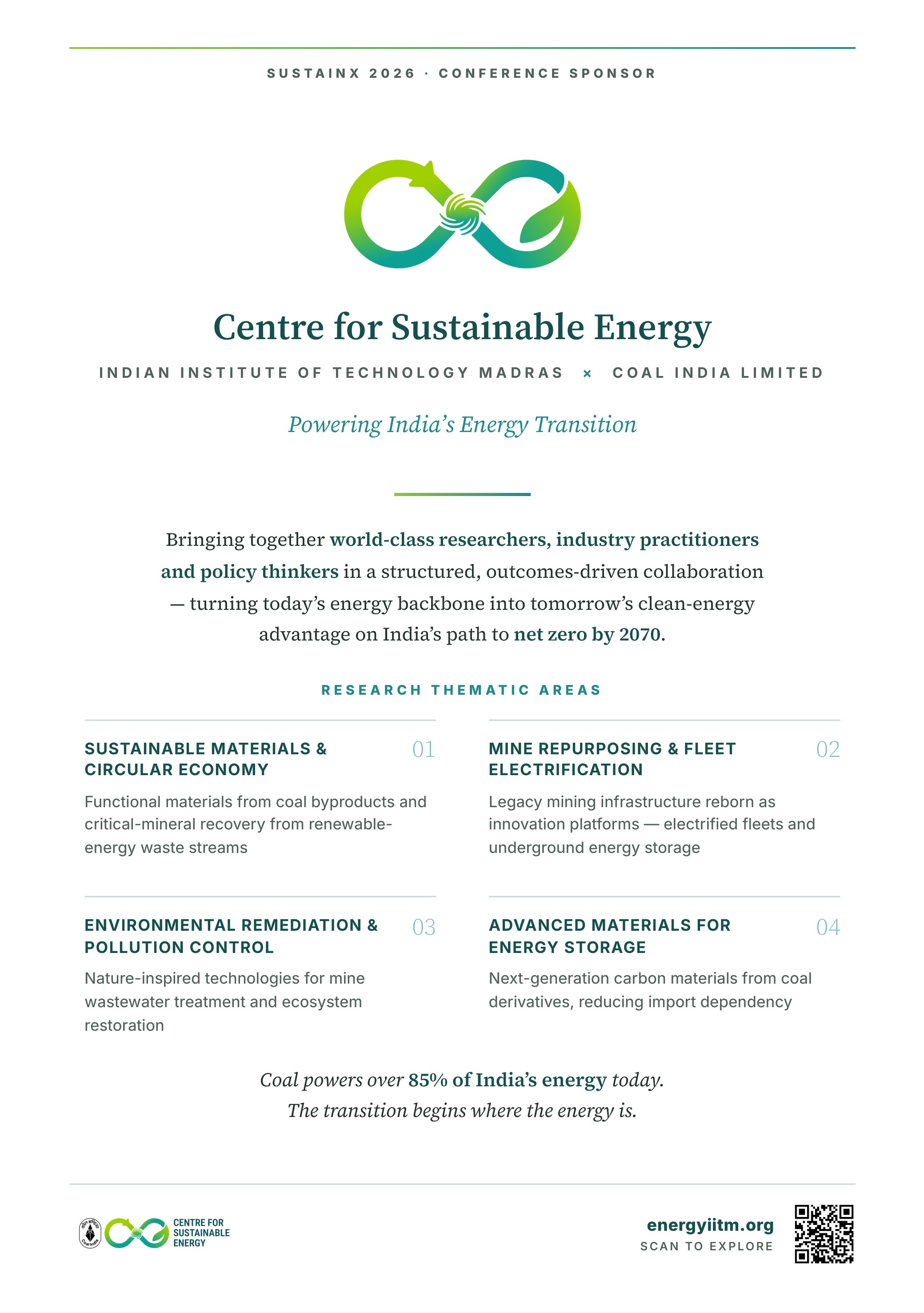
Invited · 10:55–11:15

Prof. Anandhan Srinivasan

NIT Karnataka

A New MOF Based on Copper and Zinc for Efficient Photocatalytic Degradation of a Commercial Dye and an Antibiotic under Visible Light Irradiation

Abstract. Metal–organic frameworks (MOFs) are increasingly recognized for their catalytic and environmental applications. We report the first synthesis of a bi-metallic MOF incorporating Cu2+ and Zn2+ ions with 2-aminoterephthalic acid as the linker. X-ray diffraction revealed multiple crystal planes with a crystallite size of 29.2 nm, while electron microscopy confirmed a multilayered nanosheet morphology averaging 283 nm in thickness. The bandgap energy was determined to be 2.9 eV, and XPS analysis supported the structural features observed in XRD. The MOF exhibited a specific surface area of 22.321 m2 g−1 and a pore volume of 0.068 cc g−1, indicating abundant active sites. Under visible light irradiation, 20 ppm solutions of crystal violet and tetracycline hydrochloride were degraded by 91.6% and 76%, respectively, within 120 minutes. The synergistic Cu/Zn incorporation enhanced charge separation, making this MOF a promising candidate for green water remediation technologies.

Abhipreet Mohapatra, Selvakumar Murugesan, S. Anandhan* · Department of Metallurgical and Materials Engineering, National Institute of Technology Karnataka, Srinivasnagar, Mangaluru 575025, India.

Biography. Prof. Anandhan’s career spans continents and disciplines, weaving together expertise in polymer science, nanotechnology, and materials engineering. He earned his Ph.D. from IIT Kharagpur in 2004, and gained international experience as a visiting research associate at UNSW, Australia, and later as a postdoctoral fellow and lecturer at Inha University, Korea. His academic journey continued at AIMST University, Malaysia, before he joined NIT Karnataka in 2009, where he rose through the ranks to become Professor in 2018 and served as Head of Department from 2018 to 2020. Over the years, he has mentored ten Ph.D. scholars and guided fifty master’s projects, while publishing more than one hundred papers in leading international journals. His contributions include patents, book chapters, and edited volumes, alongside the successful completion of major sponsored projects worth over INR 35 million. He was instrumental in the establishment of advanced research facilities, from nanofiber and flexible electronics labs to polymeric materials and micro-Raman spectroscopy labs.

Recognized globally, he is a Fellow of the Royal Society of Chemistry (UK), the Institution of Engineers (India), and the Indian Chemical Society. His accolades include the Australia-India Council Fellowship, the DST Fast Track Award, and the IEI Young Engineer Award. He currently holds expert member positions on the National Board of Accreditation and several other national and state-level committees, was recognized as an IOP Trusted Reviewer in 2024, and has served on the editorial board of Engineering Research Express (IOP Publishing, UK) since April 2026.

Invited · 10:55–11:15

Dr. Mrinmoy Mondal

Senior Scientist, CSIR-CSMCRI

Fundamentals, Preparation and Applications of Indigenous Polymeric Membranes for Water and Wastewater Treatment

Abstract. Polymeric membranes have gained significant attention over the past few decades as a versatile platform for separation and purification technologies. Their unique advantages, including physical separation without phase change, operation at ambient temperature, and minimal chemical consumption during operation, make them particularly suitable for efficient, compact, and energy-efficient separation systems. Polymeric membranes can be fabricated in various configurations, such as spiral-wound, plate-and-frame, tubular, and hollow-fiber modules. Among these, hollow-fiber membranes offer several advantages, including a self-supporting structure, excellent flexibility, high packing density, and a large surface-area-to-volume ratio; their geometry further enhances mass-transfer efficiency, making them suitable for a broad range of applications. Polymeric membranes are widely used in medical applications (e.g., hemodialysis and blood fractionation), water purification and desalination, ultrafiltration (UF), microfiltration (MF), nanofiltration (NF), reverse osmosis (RO), gas separation, and the removal of volatile organic compounds from aqueous streams. In this context, the development of indigenous polymeric membranes is of strategic importance, as it promotes technological self-reliance, reduces dependence on imports, and offers cost-effective solutions for critical separation processes. The successful deployment of indigenous polymeric membranes has been demonstrated in drinking water treatment, biomolecule separation, industrial wastewater treatment, desalination, and the removal of toxic contaminants from water. This presentation will discuss the fundamentals of membrane science, membrane fabrication techniques, performance characteristics, and the diverse applications of indigenous polymeric membranes in addressing environmental and industrial challenges.

Biography. Dr. Mrinmoy Mondal is a Senior Scientist at CSIR–Central Salt and Marine Chemicals Research Institute (CSIR-CSMCRI), Bhavnagar, India. He obtained his M.Tech. and Ph.D. degrees from the Department of Chemical Engineering, IIT Kharagpur. His research focuses on membrane science and advanced separation technologies, particularly the design, fabrication, modification, and characterization of polymeric and composite membranes for water and wastewater treatment. His areas of expertise include hollow-fiber membrane fabrication, ultrafiltration, nanofiltration, reverse osmosis, membrane distillation, surface functionalization, and selective separation of ions and organic contaminants. He is actively involved in developing membrane technologies for water softening, desalination, pharmaceutical wastewater treatment, and resource recovery, including lithium extraction from seawater and brines. Dr. Mondal has published 34 research papers in peer-reviewed international journals and has filed six Indian patents, three of which have been granted.

Invited · 13:55–14:15

Dr. K. P. Prathish

CSIR-NIIST

Closing the Dumpsite Legacy: WtE as a Pathway for Sustainable MSW Management in India

Abstract. India currently faces a significant waste management challenge with more than 2,000 legacy municipal solid waste dumpsites present across the country. Despite growing recognition of the need for remediation, decision-making on dumpsite reclamation is often delayed because conventional economic assessments fail to account for the environmental damages associated with continued inaction.

This study presents an innovative environmental-economic decision-support framework for evaluating the feasibility of legacy dumpsite reclamation integrated with Waste-to-Energy (WtE) systems. The framework expands the conventional Net Present Value (NPV) model by incorporating environmental costs (E), resulting in an enhanced Net Present Value with Environmental costs (NPVE) approach. The methodology was developed through a detailed case study at the Brahmapuram dumpsite in Kerala, one of India’s most prominent unmanaged waste dumps, where nearly two decades of mixed municipal waste accumulation and a major fire incident highlighted the urgency for scientific intervention.

The study quantified the impacts of fire incidents on material recovery, energy recovery potential, and the economic viability of reclamation using post-fire breakout waste characterization and site-specific operational data. Under conventional cost–benefit analysis, landfill mining and reclamation at the site appeared economically unattractive, yielding a negative NPV. However, this assessment excluded the significant costs imposed by environmental degradation, including air pollution, climate forcing, toxic emissions, and fire-related damages. To address this gap, the Environmental Damage Cost (EDC) was estimated in the range of 31.7–50.8 USD per tonne of waste, based on site-specific environmental impacts.

After integrating EDC into the economic assessment, the valuation shifted substantially, converting a conventionally negative project outlook (−9.1 million USD) into a positive NPVE (+26.7 million USD). This demonstrates that while reclamation may appear financially unviable under traditional evaluation methods, inclusion of environmental damages reveals clear economic justification for immediate intervention. The analysis highlights the often-overlooked financial burden associated with continued unscientific dumping, recurring fires, and uncontrolled emissions, emphasizing that delayed remediation can result in significantly higher long-term societal costs.

Beyond the site-scale analysis, the study assessed the broader national potential of legacy dumpsite reclamation when integrated with Waste-to-Energy infrastructure. The findings indicate a significant opportunity for resource recovery and environmental benefit across India’s identified dumpsites. Large-scale reclamation could enable substantial recovery of recyclable materials (≈5.0 million USD), conversion of combustible fractions into refuse-derived fuel (RDF) generation of renewable energy worth ≈1.1 billion USD, and significant mitigation of landfill-derived GHG emissions, saving nearly 8.3 billion USD in climate forcing costs. These outcomes directly support circular economy principles by diverting waste from open dumping toward material recovery and energy valorization.

Biography. Dr. K. P. Prathish is a scientist at CSIR-NIIST who spearheaded the modernization of India’s only dedicated dioxin research and monitoring facility, supporting the Ministry of Environment, Forest & Climate Change and the CPCB in meeting obligations to the Stockholm Convention on POPs. His team has conducted impactful studies on waste management and pollution control, addressing POPs in dumpyard fire sites, biomedical waste treatment plants, industrial hotspots, and mineral processing industries. He led the development of an affordable GC-MS/MS method for dioxins/PCBs confirmatory analysis for the first time in India, earning the AOAC India Young Scientist Award (2020). He established NABL/EIC/FSSAI integrated accredited facilities supporting environmental clearances and food and feed export (∼700 cr), while also leading policy-oriented UNEP projects on unintentional POPs. With ~40 publications, a US patent, and a mentoring record, he bridges research, regulation, and industry needs.

Invited · 13:30–13:50

Prof. Susmita Dutta

NIT Durgapur

Microalgae as a Sustainable Platform for Wastewater Treatment, Carbon Sequestration, and Resource Recovery

Abstract. Wastewater management remains one of the major challenges for sustainable development and ecosystem protection, as the growing complexity of industrial and municipal effluents demands environmentally benign, economic, and sustainable treatment technologies. Conventional bacteria-based biological treatment, though widely used, suffers from several drawbacks, including its inefficiency in reducing pollutant concentrations below permissible limits. Microalgae have emerged as one of the most promising alternatives, prized for their capability to sequester CO2 during photosynthesis, their capacity to utilise pollutants as nutrients for growth, and their adaptability across diverse wastewater types. The resulting biomass can, in turn, be valorised into biofertilizer, cattle feed supplements, and other bioproducts, closing the loop toward a circular bioeconomy, which has driven worldwide interest in microalgae-based phycoremediation.

Through biosorption and bioaccumulation, microalgae can remove a wide variety of inorganic and organic pollutants, using either dead biomass, as in early studies, or, increasingly, live cultures. Recent work has demonstrated the efficient use of this technology to polish secondary-treated industrial wastewater to meet statutory discharge standards, with select microalgal strains even proving effective on raw slaughterhouse effluent. Its success, however, depends entirely on proper species selection, suitable operating conditions, and other process parameters, requiring thorough systematic research before field deployment. Coupled with a biorefinery approach to extracting biofuels and bioproducts from the harvested biomass, microalgal wastewater treatment opens significant new avenues for research, though the development of scalable, cost-effective photobioreactors remains the major outstanding challenge.

Biography. Prof. Susmita Dutta is a Professor in the Department of Chemical Engineering at the National Institute of Technology (NIT) Durgapur, West Bengal, where she has served since 2007, rising from Assistant Professor to Professor in 2018 and serving as Head of Department from 2017 to 2019. She holds a B.Tech in Chemical Engineering from the University of Calcutta (1997), an M.Tech from IIT Kharagpur (1999), and a Ph.D. from Jadavpur University (2004), and began her academic career at Heritage Institute of Technology and the University of Calcutta before joining NIT Durgapur.

Her research spans wastewater treatment, biochemical engineering, phycoremediation, and bioremediation, documented in over 95 journal papers, 80 conference proceedings, and 11 book chapters. She serves on the Editorial Board of Applied Water Science (Springer Nature) and has guest-edited special issues for the Journal of Indian Chemical Society, Environmental Science and Pollution Research, and the Journal of Environmental Engineering and Landscape Management. She has supervised 15 doctoral students to completion, with six more ongoing, led five completed and one current research project funded by the DST, IMPRINT–I, DST–BT, IIChE, and DBT, and has reviewed roughly 80 manuscripts for international journals while serving as an external expert on doctoral evaluations and faculty selection committees at institutions including Jadavpur University, KIIT Bhubaneswar, NIT Raipur, and IIT Kharagpur.

Invited · 13:55–14:15

Dr. Indrajit Chakraborty

IIT Bombay

Waste-derived biochar for enhancing bio-recovery, pollutant removal and energy applications

Abstract. Waste-derived carbon refers to a group of highly refractile, carbonized products that are generated through high temperature and occasionally accompanied by pressure. One such popular example would be biochar, which is produced as a major product and by-product of slow pyrolysis and fast pyrolysis, respectively. Biochar was first identified and named in the early 2000s through investigations of the fertile Terra Preta patches in the Amazonia basin, and has since been researched extensively for application in soil improvement, as an adsorbent for contaminants, as a supplement in anaerobic digestion, and as an electrocatalyst in (bio)fuel cells, among other uses. High specific surface area, high density and diversity of surface functional groups, excellent modifiable physico-chemical properties, and the presence of aromatic ring structures resembling graphene, quinone, benzene, and hydroquinone – contributing to a delocalized electron cloud, excellent cation exchange capacity, biocompatible nature, and high adsorption capacity – make it a suitable candidate for the aforementioned applications.

Among the four applications mentioned above, the first two – soil amendment and adsorbent for contaminants – have attained higher TRL through field and pilot demonstrations, respectively. However, biochar application in anaerobic digestion and as an electrocatalyst are still being researched at a lower TRL (2–3) in the lab and are yet to see the light of day. The fact that biochar can be produced from a variety of sources, and that the properties of the biochar so produced vary distinctly with the operating conditions during the pyrolysis phase, is a double-edged sword – it renders both versatility and variability in biochar properties. Such versatility makes biochar a good candidate for low-end applications as an adsorbent or soil amendment agent; however, for high-end applications as an electrocatalyst, the variability in properties limits the repeatability of results, thereby compromising product development. One method of reducing such variability is predicting the yield of biochar through mechanistic modelling. However, the computational cost of such models is not only huge, but the current computational state-of-the-art is also inadequate to achieve this feat. Application of machine learning algorithms is one interesting domain of research for modelling the biochar synthesis process to accurately predict its properties.

As we embark on two decades of research in biochar, it would be prudent to retrospect and re-investigate the work done in this domain to appraise the current status, understanding, and future prospects for biochar research and applications. In this talk, we will explore the potential applications of biochar in bioreactors and electrocatalysts, and revisit soil and adsorbent applications to understand the future direction of research in this field.

Biography. Dr. Indrajit Chakraborty is an Assistant Professor in the Environmental Science and Engineering Department at IIT Bombay. He obtained his Ph.D. and M.Tech in Environmental Engineering from IIT Kharagpur and his B.Tech in Civil Engineering from NIT Durgapur. His doctoral research focused on microbial fuel cells for simultaneous wastewater treatment and energy recovery, including biodegradation of complex organic contaminants. Following his Ph.D., he was a Postdoctoral Fellow at the University of Washington, Seattle, prior to joining IIT Bombay. His research interests lie in environmental biotechnology, microbial ecology, and modelling material–microbe interactions for wastewater treatment and resource recovery. He has authored over 23 peer-reviewed journal articles and 10 book chapters, and has secured major research funding including ANRF-ECRG and DBT-BIRAC grants for carbon capture and storage, and heads the Environmental Recovery, Surveillance and Treatment (EnReST) Lab at IIT Bombay.

Invited · 15:55–16:15

Dr. Pankaj Pathak

SRM University Andhra Pradesh

Resource Independence for India’s Sustainable Clean Tech: Combating Mineral Vulnerabilities via Recycling

Abstract. Balancing India’s economic growth with decarbonization needs an accelerated shift toward renewable energy and electric mobility. However, the country faces challenges in securing the necessary metals and materials, vital for this transformation. India, as the second-largest mobile phone producer, is also targeting a 30% shift of transportation to electric vehicles. Lithium-ion batteries (LIBs) have wide application in portable electronics, electric appliances, and vehicles, and their global production is expected to rise from 300 gigawatt-hours to 2 terawatt-hours by 2028. The current demand for LIBs in India stands at 3 GWh and is expected to rise to 70 GWh by 2030 – a soaring demand set against the lack of primary extraction facilities for lithium and cobalt in India. Generally, LIBs consist of a cathode, anode, electrolyte, and separator, with 50% of the manufacturing cost attributed to cathode materials (mainly Li, Co, Mn, Ni); a typical LIB contains approximately 5–20% Co, 5–7% Li, 5–20% Ni, and 5–15% Mn. Recycling of waste materials can be a sustainable solution; however, India lacks cradle-to-cradle recycling facilities that could achieve true sustainability for LIB manufacturing. Thus, a circular economy pathway through waste minimization and resource management can be achieved via novel process integration of advanced hydrometallurgical means, aligning well with sustainable development objectives.

Keywords: Lithium-ion batteries, Recycling, Materials, Sustainability, Sustainable development goals.

Biography. Dr. Pankaj Pathak is an Associate Professor in the Department of Environmental Science & Engineering at SRM University, AP, India, having obtained a Ph.D. in Environmental Geotechnology from the Indian Institute of Technology Bombay, India. Research interests include plastic and e-waste management, circular economy approaches for the recovery of critical and rare earth metals from primary and secondary sources, hydrometallurgy, techno-economic analysis, and life cycle assessment, with expertise in dealing with hazardous solid and liquid waste and its treatment technologies, along with safe disposal and remediation techniques. Dr. Pathak has published peer-reviewed articles in high-impact international journals, along with patents and books with Springer, ACS, CRC, and others.

Invited · 15:30–15:50

Dr. Ishita Sarkar

CSIR-CMERI

Catalytic Thermochemical Conversion of Biomass: A Pathway to Hydrogen-Rich Syngas and Clean Energy

Abstract. Hydrogen is poised to play a pivotal role in the global transition toward sustainable energy systems, necessitating the development of cost-effective and renewable production pathways. Biomass, an abundant and carbon-neutral resource, offers significant potential for decentralized hydrogen generation through thermochemical conversion. This talk presents a pilot-scale investigation on the catalytic slow pyrolysis of rice husk for the production of hydrogen-rich syngas using a laboratory-developed Ni-zeolite catalyst.

The study demonstrates that strategic catalyst integration can substantially improve both syngas yield and hydrogen concentration in a single-stage pyrolysis process, eliminating the need for energy-intensive steam reforming. Under optimized operating conditions, pyrolysis vapor yield increases while hydrogen concentration in syngas rose from 15.3 vol.% to 40.2 vol.%. The enhanced performance is attributed to the catalytic promotion of tar cracking and reforming reactions by the highly porous Ni-zeolite structure, resulting in improved carbon conversion.

The findings establish single-stage catalytic pyrolysis as a promising and economically attractive route for producing cleaner gaseous fuels from agricultural residues. The study discusses the underlying reaction mechanisms, catalyst performance, scale-up considerations, and the potential role of this technology in advancing sustainable bioenergy and renewable hydrogen production.

Biography. Dr. Ishita Sarkar is Scientist D at CSIR–Central Mechanical Engineering Research Institute (CSIR-CMERI), Durgapur, with expertise in renewable energy systems, biomass thermochemical conversion, waste-to-wealth technologies, and allied areas. She obtained her B.Tech. in Chemical Engineering from Heritage Institute of Technology, Kolkata (University Silver Medalist), and earned her M.Tech. and Ph.D. from IIT Kharagpur. Since joining CSIR-CMERI in 2019, she has contributed to several R&D, sponsored, and technical service projects, with research activities supported by leading agencies including the Department of Science & Technology (DST), Department of Biotechnology (DBT), GAIL (India) Limited, MoEF&CC, Durgapur Steel Plant, CSIR Mission Mode Projects (Waste-to-Wealth Mission), and CSIR institutional projects. She has authored over 30 research publications, receiving over 1,300 citations with an h-index of 21, and has contributed to several patents, copyrights, and design registrations, along with the transfer of technologies to industry, advancing sustainable energy, biomass valorization, hydrogen production, and circular economy technologies. She has played key roles in developing technologies for oil-sludge valorization, PV-module recycling, hydrogen-rich syngas production, solar cooking systems, low-GWP refrigeration, and advanced battery thermal management, and, through her association with the Project Management and Evaluation Unit of CSIR-CMERI, has contributed extensively to institutional planning, project monitoring, science outreach, and technology dissemination.

Invited · 15:55–16:15

Dr. Sagar Sourav

IIT Madras

Engineering Catalysts for Thermocatalytic CO2 Utilization

Abstract. Thermocatalytic CO2 utilization presents a compelling pathway for mitigating carbon emissions while enabling the sustainable production of fuels and value-added chemicals. Despite significant progress, industrial deployment remains constrained by unfavorable process economics, primarily arising from low CO2 conversion, limited product selectivity, and engineering challenges associated with scale-up. Addressing these limitations requires a deeper understanding of catalytic functionality at the molecular level to enable the rational design of catalysts tailored for practical applications.

This talk will highlight how mechanistic insights derived from molecular-level investigations can guide the development of advanced catalytic systems. Case studies spanning CO2 hydrogenation to methane and ethanol, as well as CO2-assisted alkane dehydrogenation to alkenes, will be presented to illustrate the interplay between catalyst structure, reaction pathways, and performance. Emphasis will be placed on emerging methodologies, including transient spectroscopic techniques and multidimensional approaches that bridge catalyst characterization with activity and stability under working conditions.

By integrating fundamental understanding with applied design strategies, this work demonstrates how targeted catalyst development can address key bottlenecks in thermocatalytic CO2 conversion, paving the way toward more efficient and scalable processes.

Biography. Dr. Sagar Sourav is an Assistant Professor in the Department of Chemical Engineering at the Indian Institute of Technology Madras. His research expertise lies in the field of heterogeneous and thermal catalysis, with a strong focus on catalyst synthesis, advanced spectroscopic characterization, and transient kinetic studies. Dr. Sourav leads a dynamic research group addressing critical challenges in catalysis, particularly in the areas of catalytic hydrocarbon conversion and valorization, as well as the development of catalytic systems for enabling a carbon circular economy. His work aims to advance sustainable energy and chemical production through innovative catalyst design and process development.

Session Chair · Sessions 1

Prof. Sreeram Kalpathy

IIT Madras

Biography. Prof. Sreeram K. Kalpathy joined the Department of Metallurgical and Materials Engineering at IIT Madras as an Assistant Professor in October 2015, and was promoted to Associate Professor in 2022. Prior to this, he served as a faculty member at the National Institute of Technology Karnataka (NIT-K), Surathkal. He received his Ph.D. from the Department of Chemical Engineering and Materials Science at the University of Minnesota, USA, and his B.Tech + M.Tech (Dual Degree) in Metallurgical and Materials Engineering from IIT Madras.

Research in his group integrates sub-fields of soft matter – polymer chemistry, polymer physics, colloids, interfacial phenomena, dynamics of liquids with complex rheology, and fluid instabilities – to address problems in materials processing, spanning transport phenomena in soft matter and complex fluids, photoresponsive and functional polymers, colloids and dispersions, interfacial wetting and fluid instabilities, and nanostructured ceramics. Significant outcomes from his group include the synthesis of photoresponsive polymers demonstrated in light-assisted micropatterning, model development for predicting coating flow dynamics over permeable and porous solids, and the discovery of fluid-mechanical routes for stabilizing liquid films and emulsions using surface-active materials.

His honours include the Young Faculty Recognition Award for Excellence in Teaching and Research, IIT Madras (2021); the Best Paper Award in the Experimental and Theoretical Fluid Flow track at the International Conference on Fluids and Chemical Engineering (FluidsChe2015), Langkawi, Malaysia (2015); the Doctoral Dissertation Fellowship, University of Minnesota (2011); and the S. Anantharamakrishnan Memorial Award for the highest CGPA in the Dual Degree programme in Metallurgical and Materials Engineering, IIT Madras (2007).

Session Chair · Session 2

Dr. Saikat Bhattacharjee

BITS Pilani

Biography. Dr. Saikat Bhattacharjee is an Assistant Professor in the Department of Chemical Engineering at the Birla Institute of Technology & Science (BITS), Pilani, Rajasthan. His research interests include AC electrokinetics, application of machine learning in fluid mechanics and porous media flow, mathematical modelling of chemical engineering systems, membrane microfluidics, porous-channel-based microfluidics, and porous media flow.

Session Chair · Session 3

Prof. Tiju Thomas

IIT Madras

Biography. Tiju Thomas holds MS and PhD degrees from Cornell University (NY, USA). He works in interdisciplinary areas that straddle materials engineering and allied areas (nanochemistry, electrical engineering, applied physicists and solid state chemistry). He also has an MS (Engg.) from the Theoretical Sciences Unit in Jawaharlal Nehru Centre for Advanced Scientific Research. His group focuses on developing compositionally complex oxides, oxynitrides and nitrides, and nanometals for achieving engineering ends. Problems concerning the functional properties of materials are of abiding interest to him.

In particular next-generation energy storage (supercapacitors, hybrid energy storage systems), nanotech-enabled solar energy harvesting, and solar-driven water treatment have been the group’s recent focus. The group’s work on on-demand hydrogen production is internationally well-known. Eco-friendly, green engineering perspectives guide the computational materials design, synthetic chemical and fabrication routes that the group develops.

The group is diverse and vibrant because of his inter-disciplinarity. In the recent past, Tiju has worked extensively with chemists, physicists, electrical engineers, chemical and polymer engineers, materials and metallurgical engineers, and mechanical engineers. An applied approach to materials science makes this trans and inter-disciplinary work possible.

Session Chair · Session 4

Prof. Tanushree Parsai

IIT Madras

Biography. Dr. Tanushree Parsai is an Assistant Professor in the Environmental Engineering Division of the Department of Civil Engineering at IIT Madras, where she has served since 2023. She completed her Bachelor of Engineering in Civil Engineering from Jabalpur Engineering College, Jabalpur, Madhya Pradesh (2010–14), and her Master of Technology in Environmental Engineering from the Visvesvaraya National Institute of Technology (VNIT), Nagpur (2016), receiving gold medals for the highest CGPA in both programmes. She joined IIT Delhi for her Ph.D. in 2016, completing it in 2021; her doctoral research focused on the stability of nanoparticle mixtures in water and the associated health risks.

During her Ph.D., she was awarded the IUSSTF–DST-funded WARI (Water Advanced Research & Innovation) Fellowship, under which she conducted part of her research at the University of Nebraska–Lincoln, USA (May–September 2019). She also received the DST AWSAR Award (2018) for a science story based on her research, and the Distinction in Doctoral Research Award from IIT Delhi (2022). Prior to joining IIT Madras, she served as an Assistant Professor at the School of Civil and Environmental Engineering, IIT Mandi, Himachal Pradesh (2022–23).

Her research addresses the fate and treatment of emerging contaminants in water systems, including nanoparticle stability, microplastics remediation through natural systems, and human health risk assessment.

Session Chair · Session 5

Dr. Sankha Karmakar

IIT Madras

Biography. Dr. Sankha Karmakar is an Assistant Professor in the Department of Chemical Engineering at IIT Madras. He is a leading edge researcher in metal organic framework (MOF) science and its integration into mixed matrix membranes (MMMs) for water treatment, resource recovery and environmental applications. His work is closely aligned with the recent Nobel Prize focus on MOFs, extending the field beyond synthesis towards real world functional deployment.

He earned both his Master of Technology in Chemical Engineering and his Ph.D. in membrane separation technology from IIT Kharagpur. He previously served as an Assistant Professor at the Institute of Chemical Technology, Odisha, and at NIT Durgapur. He was recently awarded the Anusandhan National Research Foundation (ANRF) Early Career Research Grant, and he serves as a member of the Early Career Editorial Board of the Journal of Water Process Engineering (JWPE), contributing to its editorial activities and the advancement of research in the field.

His research interests span membrane technology, water treatment, metal organic frameworks, adsorption and environmental pollution.

Session Chair · Session 6

Dr. Krishna Malakar

IIT Madras

Biography. Dr. Krishna Malakar is an Assistant Professor at IIT Madras. He completed his Ph.D. in the Interdisciplinary Programme in Climate Studies, with a focus on policy, at the Indian Institute of Technology Bombay, Mumbai, in 2019, and his M.Sc. in Environmental Studies from the TERI School of Advanced Studies, New Delhi, in 2012.

His research focuses on understanding the human dimensions of environmental and climate change, with the aim of informing policy and action. His specific research themes include vulnerability, risk and adaptation to climate change, the resilience, response and recovery of communities from extreme weather events, social barriers to the adoption of technology, and livelihood and environmental sustainability.

He was awarded an International Postdoctoral Fellowship by the Office of the China Postdoc Council (OCPC) and Hohai University, which he held from November 2019 to October 2021, and he received a Junior Research Fellowship (JRF) in Environmental Sciences from the University Grants Commission, India, in March 2013.

Session 1TTJ Auditorium

Circular Plastics &
Polymer Economy

Time10:30 — 12:00
VenueTTJ Auditorium
ThemeCircular Plastics Economy
Prof. Sreeram Kalpathy
Chair · Prof. Sreeram KalpathyIIT Madras  ·  (Bio on p. 71)
  • 10:30–10:50DistinguishedProf. Sirish NamilaeEmbry-Riddle Aeronautical University  ·  (Bio on p. 59)
  • 10:55–11:15InvitedProf. Anandhan SrinivasanNIT Karnataka  ·  (Bio on p. 63)

Student Presentations · 11:20 — 12:00 · Abstracts p. 75

  • SUS-OP-1711:20–11:30Molecular Dynamics Investigation of Structure–Property Relationships in PBSA/PHBH Biopolymer Blends for Circular PackagingVaishnu Suresh Kumar · BITS Pilani
  • SUS-OP-1811:30–11:40Designing Circularity: Reversible Polymers as a Pathway to a Sustainable Plastic Economy in IndiaPondharshini Ponnusamy · Bharathidasan University
  • SUS-OP-1911:40–11:50Transitioning to a Circular Plastics Economy: The Role of Natural Bio-Binders in Sustainable BiocompositesRutuja Sandeep Prabhudessai · BITS Pilani, Goa Campus
  • SUS-OP-2011:50–12:00Valorization of Invasive Prosopis juliflora Branch Wood through Pulp Extraction and Handmade Paper ProductionTrilokesh C · Thiagarajar College, Madurai

Student Presentations

Day 3 · Session 1 — Circular Plastics & Polymer Economy

Underlined — presenting author* — corresponding author†, ‡, § — author affiliations
SUS-OP-17 · 11:20–11:30

Molecular Dynamics Investigation of Structure–Property Relationships in PBSA/PHBH Biopolymer Blends for Circular Packaging

Vaishnu Suresh Kumar†,‡, Pritam K. Jana§, Mehran Ghasemlou, Benu Adhikari, Sarbani Ghosh, Banasri Roy, Fugen Daver*,‡ and Mohit Garg*,†

Department of Chemical Engineering, Birla Institute of Technology and Science (BITS), Pilani Campus, Vidya Vihar, Pilani 333031, Rajasthan, India  ·  School of Science, RMIT University, Bundoora, Victoria 3083, Australia  ·  §Department of Chemistry, Birla Institute of Technology and Science (BITS), Pilani Campus, Vidya Vihar, Pilani 333031, Rajasthan, India  ·  Department of Chemical Engineering, University of Melbourne, Parkville, VIC 3010, Australia

* Corresponding authors · mohit.garg@pilani.bits-pilani.ac.in; fugen.daver@rmit.edu.au

Abstract. The increasing demand for environmentally benign packaging materials has popularized biodegradable polymer blends that can support a circular plastics economy. In this work, molecular dynamics (MD) simulations are used to understand how the structure and composition of poly(butylene succinate-co-butylene adipate) (PBSA) and poly(3-hydroxybutyrate-co-3-hydroxyhexanoate) (PHBH) biopolymer blends influence their mechanical performance and morphology; these biodegradable polyesters are viable alternatives to conventional non-biodegradable packaging plastics due to their sustainable end-of-life characteristics and good material properties. MD simulations show that PBSA and PHBH are immiscible and form distinct droplet–matrix microstructures depending on blend composition. At higher PBSA content, limited mixing of PHBH within the PBSA phase is observed, in agreement with experimental findings. The interfacial area between polymer domains has strong effects on the stiffness of the blends: increased interfacial contact between PHBH and PBSA domains facilitates more efficient stress transfer across the phases and resists deformation under applied stress, and the Young’s modulus increases with increasing PHBH content. By linking molecular-level interactions with bulk material performance, this work highlights how computational modelling can help design biodegradable polymer blends with improved properties for sustainable and circular packaging applications.

SUS-OP-18 · 11:30–11:40

Designing Circularity: Reversible Polymers as a Pathway to a Sustainable Plastic Economy in India

Pondharshini Ponnusamy*,†

I M.Sc. Environmental Science and Sustainability Management, Department of Environmental Science and Management, Bharathidasan University, Tiruchirappalli 620024, Tamil Nadu, India

Abstract. As India moves towards rapid urbanisation and consumerism, large volumes of plastic are generated annually. Although India has a relatively robust recycling ecosystem supported by evolving technologies, the existing system primarily relies on mechanical recycling, which degrades polymer quality and leads to downcycling; as a result, recycled plastics fail to retain their original value and eventually become waste. This paper proposes a conceptual model that shifts from a recycling-centric approach to a material-design-based approach to attain a circular plastic economy. (continued overleaf)

Reversible polymers are characterised by dynamic covalent bonds that enable disassembly into monomers and reassembly without loss of their original quality, addressing the limitations of inefficient recycling systems and enabling an efficient closed-loop system. Such a model aligns well with the Indian context, as it can operate alongside decentralised waste management systems, economic constraints, and policy mechanisms such as Extended Producer Responsibility (EPR), demonstrating how design-driven circular plastics can reduce dependence on virgin plastic production. By adopting redesignable plastics as a recoverable resource at the molecular level, India can strategically position itself as a global leader in the production and adoption of next-generation polymer systems. The paper highlights the need to identify key research, policy, and industrial pathways to bring redesignable and recoverable plastics into reality in rapidly developing economies.

SUS-OP-19 · 11:40–11:50

Transitioning to a Circular Plastics Economy: The Role of Natural Bio-Binders in Sustainable Biocomposites

Rutuja Sandeep Prabhudessai and Sampatrao D. Manjare*,†

Advanced Sustainable Materials Lab, Department of Chemical Engineering, Birla Institute of Technology and Science, Pilani, K. K. Birla Goa Campus, Zuarinagar, Sancoale, Goa 403726, India

Abstract. The widespread usage of petroleum-based plastics has led to serious environmental issues because of their hazardous emissions, prolonged degradation durations, and non-biodegradability, driving increased research on sustainable substitutes, especially bio-composites using natural binders. This review examines the structural makeup, functional mechanisms, extraction approaches, and possible applications of important natural bio-binders – cutin, chitosan, lignin, and soy protein isolate (SPI) – as replacements for traditional synthetic binders. Natural binders function as matrix materials in biocomposites, encouraging cohesiveness and aiding stress transfer between reinforcing fibers through physicochemical interactions such as hydrogen bonds, electrostatic forces, and van der Waals interactions, and are renewable, biodegradable, and lower in carbon footprint and toxicity than synthetic binders. Each binder exhibits distinct characteristics: lignin gives thermal stability and UV resistance; cutin offers hydrophobicity and self-assembly behavior; chitosan offers antibacterial activity and high adhesion; and SPI improves intermolecular bonding through its protein structure. Binder performance and purity are greatly impacted by extraction and processing techniques, including isoelectric precipitation, organosolv processing, enzymatic extraction, and alkaline hydrolysis, while recent developments in chemical modification, nanofiller integration, and hybrid systems have enhanced their mechanical and functional qualities despite obstacles such as moisture sensitivity, reduced durability, and raw material heterogeneity. This review underscores the importance of transitioning toward bio-based binding systems to achieve a more sustainable and circular plastics economy while contributing to greener industrial practices and supply chains.

SUS-OP-20 · 11:50–12:00

Valorization of Invasive Prosopis juliflora Branch Wood through Pulp Extraction and Handmade Paper Production

Trilokesh C*,†

Department of Biotechnology & National Centre of Excellence in Statistical and Mathematical Modelling on Bioresource Management (NCOE-MHRD), Thiagarajar College, Madurai, Tamil Nadu

* Corresponding author · trilokesh_btsf@tcarts.in

Abstract. Prosopis juliflora is an invasive species that poses serious ecological threats by depleting groundwater, reducing soil fertility, and suppressing native vegetation. Valorization of this biomass offers a dual benefit of mitigating environmental harm while generating value-added products. In the present work, handmade paper was produced from P. juliflora branch wood pulp obtained via a simple alkaline extraction method. The pulp was characterized using SEM, FTIR, XRD, and TGA-DSC-DTA analyses. SEM revealed slender thread-like structures typical of cellulose, FTIR exhibited characteristic peaks at 1037, 641, 594, and 568 cm−1, XRD confirmed the presence of α-cellulose, and thermal analysis further validated cellulose characteristics. The extracted pulp was suspended in okra mucilage, serving as a natural binder, and cast into sheets using a mold and deckle. The resulting handmade paper exhibited a thickness of 2.65 mm, density of 0.1 g/cm3, burst strength of 2.74 kg/cm2, burst index of 1.05 kPa·m2/g, and grammage of 255 g/m2. To the best of our knowledge, this is the first attempt at producing handmade paper from P. juliflora branch wood. While the paper demonstrated promising properties, further refinement of pulping, solvent selection, and drying processes is required to enhance strength and printability. This study highlights a cost-effective and eco-friendly approach that transforms an invasive species into a sustainable resource for the paper industry.

Session 2Hall III

Circular Water Technologies &
Sustainable Hydrosphere Management

Time10:30 — 12:00
VenueHall III, ICSR
ThemeCircular Water Technologies
Dr. Saikat Bhattacharjee
Chair · Dr. Saikat BhattacharjeeBITS Pilani  ·  (Bio on p. 71)
  • 10:30–10:50DistinguishedProf. Indumathi NambiIIT Madras  ·  (Bio on p. 60)
  • 10:55–11:15InvitedDr. Mrinmoy MondalCSIR-CSMCRI  ·  (Bio on p. 64)

Student Presentations · 11:20 — 12:00 · Abstracts p. 79

  • SUS-OP-2111:20–11:30IoT-Based Device Coupled with Nano-Enhanced Multilayer Filter for Detection, Monitoring, and Remediation of Microplastic Pollution in Urban River SystemsTanvi Mehendale et al. · COEP Technological University
  • SUS-OP-2211:30–11:40Assessing the Suitability of Utilizing Atmospheric Water for Solar Photovoltaic Module Cooling for Enhancing Energy GenerationAbdul Raziq K. V., Dhinesh Thanganadar, Sharon Hilarydoss · Kannur University / IIPE
  • SUS-OP-2311:40–11:50Continuous Greywater Treatment Using Date Seed Biochar: Fixed-Bed Column Performance and Breakthrough Curve AnalysisAnusha Kalaiselvan, Prasanna K · SRM Institute of Science and Technology
  • SUS-OP-2411:50–12:00Resource Recovery from Sewage Using an Integrated Permeate Channel Ultrafiltration Membrane System Coupled with Anaerobic DigestionArvind Kumar Shakya, Purnendu Bose · IISER Mohali / IIT Kanpur

Student Presentations

Day 3 · Session 2 — Circular Water Technologies & Sustainable Hydrosphere Management

Underlined — presenting author* — corresponding author†, ‡, § — author affiliations
SUS-OP-21 · 11:20–11:30

IoT-Based Device Coupled with Nano-Enhanced Multilayer Filter for Detection, Monitoring, and Remediation of Microplastic Pollution in Urban River Systems

T. Mehendale, S. Joshi, S. Pednekar, S. Joshi, S. Pitkar and Dr. M. R. Mulay*,†

COEP Technological University, Shivajinagar, Pune 411005

* Corresponding author · mrm.meta@coeptech.ac.in

Abstract. UNSDG 6 aims to improve water quality by reducing pollution and increasing recycling and safe water reuse globally by 2030. Microplastics are one of the major contaminants of freshwater ecosystems across the globe. This project designs a microplastic interceptor system equipped with IoT-based sensors to monitor blockage and membrane integrity, ensuring smooth functioning and reliability of the system. The system consists of a filtering boom set-up, which deploys a nano-enhanced V-boom interceptor transversely across the river channel, aperture oriented upstream to receive river flow passively. A microfilter layer is attached after a coarse-grained layer to filter the microplastics present in the water. Furthermore, a nano-filter layer consisting of CNT and graphene oxide is installed after the microplastic filter layer to filter out finer impurities. Integration of sensors at various stages of the design helps monitor the smooth functioning of the filtration system and provides real-time updates and alerts. Using IoT-based sensors, the productivity and functionality of the filtration system are measured, and the system informs the respective authorities in case of malfunctions and sets reminders for periodic clean-up operations, ensuring the proper use of technology to implement sustainable solutions for environmental conservation.

SUS-OP-22 · 11:30–11:40

Assessing the Suitability of Utilizing Atmospheric Water for Solar Photovoltaic Module Cooling for Enhancing Energy Generation

Abdul Raziq K. V., Dhinesh Thanganadar and Sharon Hilarydoss*,§

Dept. of Physics, Swami Anandatheertha Campus of Kannur University (S.A.T), Kerala  ·  UK Industrial Fusion Solutions Ltd, Culham Campus, Abingdon, Oxfordshire, UK  ·  §Energy Conversion and Utilization Team (ECU-T), Dept. of Mechanical Engineering, Indian Institute of Petroleum and Energy, Andhra Pradesh

* Corresponding author · sharon.mec@iipe.ac.in

Abstract. Conversion efficiency of PV modules drops by about 0.21 to 0.50% for every 1.0°C rise in operating temperature from the standard testing condition. Cooling of modules by flowing, spraying, and circulating water has been suggested to reduce operating temperature and improve performance; however, these methods require a large fresh water supply and may contribute to water loss and wastewater generation, in addition to self-consumption of the generated PV power. (continued overleaf)

In this work, a new concept of PV module cooling using atmospheric water has been proposed, thermodynamically modeled, validated, and optimized. The solar PV module was modified by coating a silica gel layer over its rear surface to adsorb and desorb atmospheric water during non-sunshine and sunshine hours, respectively. Adsorption happens during night and early morning hours until the layer is saturated; when the sun shines over the module, desorption occurs by utilizing the waste heat energy of the module, leading to reduced operating temperature and increased conversion efficiency. The optimum silica gel layer thickness was found to be 3.5 cm, and peak module temperature was found to drop by 10°C due to the presence of the silica gel layer. Lower ambient temperature, high relative humidity, and low wind speed, in combination with a clear day, seem to improve modified module performance significantly. Daily energy generation enhancement was about 1.0 to 3.0%, and daily water desorbed was about 1.5 to 5.0 kg/day. The water is taken from the atmosphere and desorbed back to the atmosphere, making the system truly closed-loop and sustainable.

SUS-OP-23 · 11:40–11:50

Continuous Greywater Treatment Using Date Seed Biochar: Fixed-Bed Column Performance and Breakthrough Curve Analysis

Anusha Kalaiselvan and Prasanna K*,†

Dept. of Civil Engineering, College of Engineering and Technology, SRM Institute of Science and Technology, Kattankulathur, Chengalpattu Dist., Tamil Nadu 603203

* Corresponding author · ak2360@srmist.edu.in

Abstract. This study explores the use of Date Seed Biochar (DSB) as an eco-friendly adsorbent for continuous greywater treatment using a fixed-bed column system. It examines breakthrough behaviour and adsorption effectiveness under dynamic flow conditions and evaluates the suitability of column models for forecasting treatment performance. Date seed biochar was produced by pyrolysing discarded date seeds and packed into a lab-scale fixed-bed column. Real greywater from a residential area was continuously flowed through the column under controlled conditions. Treatment effectiveness was assessed by measuring Chemical Oxygen Demand (COD) at various times. Breakthrough curves were plotted using normalized concentration (Ct/C0) data, and the adsorption behaviour was analyzed with the Thomas and Yoon–Nelson models.

The fixed-bed column initially removed organic pollutants efficiently, but eventually experienced a breakthrough as adsorption sites filled. The breakthrough curves showed increasing effluent concentrations over time, indicating the gradual exhaustion of the adsorption bed. Both the Thomas and Yoon–Nelson models effectively described the column’s performance and provided useful parameters for predicting adsorption behaviour under continuous-flow conditions. This study shows that agricultural waste-derived Date Seed Biochar can be effectively used in a continuous greywater treatment system, and unlike traditional batch tests, it examines how the material adsorbs contaminants over time in a fixed-bed setup, offering valuable insights for decentralized water reuse and sustainable resource management aligned with circular economy principles.

SUS-OP-24 · 11:50–12:00

Resource Recovery from Sewage Using an Integrated Permeate Channel Ultrafiltration Membrane System Coupled with Anaerobic Digestion

Arvind Kumar Shakya*,† and Purnendu Bose

Indian Institute of Science Education and Research Mohali  ·  Indian Institute of Technology Kanpur

* Corresponding author · arvindshakya@iisermohali.ac.in

Abstract. Membrane filtration offers a promising pathway for resource recovery from sewage by concentrating organic matter for subsequent bioenergy production. In this study, an integrated permeate channel (IPC) ultrafiltration (UF) membrane system was evaluated for sewage filtration and anaerobic digestion of the resulting concentrate. The IPC-based filtration unit consisted of three flat-sheet polyvinylidene fluoride (PVDF) membranes with a pore size of 40 nm and a total effective filtration area of 0.33 m2. Primary treated sewage collected from the sewage treatment plant (STP) at Jajmau, Kanpur, India, was used as feed for the study. The chemical oxygen demand (COD) in the retentate increased from an initial value of ~250 mg/L to ~2100 mg/L over five weeks of operation. Simultaneously, total suspended solids (TSS) and total solids (TS) in the retentate increased from 1500 mg/L to ~3000 mg/L; however, the targeted COD concentration range of 8000–10,000 mg/L could not be achieved, primarily due to biodegradation occurring in the membrane tank as a result of aeration. The retentate was subsequently mixed with primary sludge from the same STP and subjected to anaerobic digestion to evaluate its biomethane generation potential. The anaerobic digester was operated for over 300 days at a 40-day hydraulic retention time (HRT), pH 7.2–7.4, and 30±2°C. The system achieved an average methane production of 6 L/day, with a methanogenic activity of 18.1 mL CH4 g−1 volatile solids day−1. The study demonstrates the potential of IPC-UF membrane systems for sewage resource recovery and sustainable bioenergy generation.

Session 3TTJ Auditorium

Circularity in Battery Industry &
Critical Minerals Recovery

Time13:30 — 15:00
VenueTTJ Auditorium
ThemeBattery Industry Circularity
Prof. Tiju Thomas
Chair · Prof. Tiju ThomasIIT Madras  ·  (Bio on p. 72)
  • 13:30–13:50DistinguishedDr. Mamata MohapatraIMMT Bhubaneswar  ·  (Bio on p. 61)
  • 13:55–14:15InvitedDr. K. P. PratishCSIR-NIIST  ·  (Bio on p. 65)

Student Presentations · 14:20 — 15:00 · Abstracts p. 83

  • SUS-OP-2514:20–14:30Hydrometallurgy Based Recovery of Transition Metals from Spent Lithium-Ion Batteries and Catalyst SynthesisAsish Abhishek et al. · NIT Warangal
  • SUS-OP-2614:30–14:40Evaluation of Recycling Routes for Mixed Batteries: A Life Cycle ApproachUsman Ali et al. · LUT University
  • SUS-OP-2714:40–14:50Bio-Derived Vanillin–PEI Fluorescent Sensor for Cu2+ DetectionBerly Robert et al. · IIT Madras
  • SUS-OP-2814:50–15:00Recovery of Metals from the Co-Rich NMC Black Mass Using CAG SolventDr. Indumathi Ilango et al. · IIT Madras

Student Presentations

Day 3 · Session 3 — Circularity in Battery Industry & Critical Minerals Recovery

SUS-OP-25 · 14:20–14:30

Hydrometallurgy Based Recovery of Transition Metals from Spent Lithium-Ion Batteries and Catalyst Synthesis

Asish Abhishek, Upare Vishal Baburao and Anjana P. Anantharaman*,†

Department of Chemical Engineering, National Institute of Technology Warangal, Telangana 506004, India

* Corresponding author · anjanapa@nitw.ac.in

Abstract. Metal comprises around two-thirds of all chemical elements naturally occurring on Earth. With the development of science and technology, the consumption of metals has increased, and recyclability is an important parameter for metal sustainability. The present work focuses on recovering the active metals from spent lithium-ion batteries and reusing the extracted metals as a catalyst for the phenol degradation reaction. The hydrometallurgy method was adopted for the extraction of metals, where alkali leaching is done, followed by a multi-step directional precipitation method to recover Mn, Ni, Co, and Li metals. The recovered metals are developed into a layered composite structure of Li-Mn-Ox (LMO), Li-Ni-Ox (LNO), and Li-Co-Ox (LCO) using the conventional sol-gel method. XRD confirms the crystallinity of the material along with the phase purity, and SEM images confirm the different morphology for all the samples. The phenol degradation reaction confirms that all samples perform equally well with above 98% degradation, with slightly higher performance for LNO and LCO, and the pseudo-second-order model best fits the kinetic data for all the samples. These findings demonstrate the dual benefit of valorizing end-of-life battery materials and effectively treating organic pollutants, underscoring the potential of recycled LiB cathodes in sustainable environmental remediation.

SUS-OP-26 · 14:30–14:40

Evaluation of Recycling Routes for Mixed Batteries: A Life Cycle Approach

Usman Ali†,‡, Ivan Korolev, Manivannan Sethurajan*,† and Sami Virolainen*,†

Department of Separation Science, School of Engineering Science, LUT University, Yliopistonkatu 34, 53850 Lappeenranta, Finland  ·  Extractive Metallurgy & Recycling, VTT Technical Research Centre of Finland, FI-02044 VTT, Finland

* Corresponding authors · Manivannan.Sethurajan@lut.fi; Sami.Virolainen@lut.fi

Abstract. Lithium, an important component in lithium-ion batteries, has been placed on the European Union’s critical raw material list. Recycling end-of-life lithium-ion batteries is crucial to preserving natural lithium resources. Currently, LIB recycling is done either by the extremely energy-intensive pyrometallurgical route or hazardous-chemical-utilizing hydrometallurgical routes, and the environmental risks of EoL LIB management are high. According to previous life cycle assessment (LCA) studies, the two primary recycling pathways of the industry have the potential to reclaim target metals with far lower environmental impact than mining; nevertheless, the environmental performance ranking of the two routes does not have a fixed value, and it largely depends on the carbon intensity of electricity, the consumption of chemical reagents, and metal recovery yields. One of the most important and underserved aspects is the effect of these ranking shifts when the incoming waste is no longer a single, well-defined chemistry but a mixed stream of cells with varying chemistry. This work aims to fill that gap in a systematic way, taking nationwide standards (Finnish industrial parameters) and EU regulatory standards as applied parameters, and the results will be discussed.

SUS-OP-27 · 14:40–14:50

Bio-Derived Vanillin–PEI Fluorescent Sensor for Cu2+ Detection

Berly Robert*,†, Mohanraj Jagannathan, Moon Il Kim and Sreeram K. Kalpathy†,§

Department of Metallurgical & Materials Engineering, Indian Institute of Technology Madras, Chennai 600036, India  ·  Department of BioNano Technology, Gachon University, Seongnam-si, Gyeonggi-do 13120, Republic of Korea  ·  §Centre for Resource Efficiency, Recyclability, and Circularity in Energy Transition, School of Sustainability, Indian Institute of Technology Madras, Chennai 600036, India

* Corresponding author · berlyrobert87@gmail.com; ic40308@imail.iitm.ac.in

Abstract. Monitoring trace heavy metal ions in water is essential for environmental sustainability and public health. Copper (Cu2+), while an essential micronutrient, becomes toxic at elevated concentrations, necessitating sensitive and selective detection methods. In this work, we report a sustainable, water-soluble fluorescence sensor for Cu2+ detection, prepared through an in situ Schiff base reaction between polyethylenimine (PEI) and bio-derived vanillin. The spontaneous aqueous-phase formation of imine (–C=N–) linkages eliminates the need for synthetic aldehydes, surface pretreatment, or multistep fabrication, offering a simple and environmentally friendly sensing platform. Under 450 nm excitation, the PEI–vanillin system exhibits bright greenish-yellow fluorescence that is progressively quenched upon Cu2+ addition due to Cu2+–imine complexation; simultaneously, a visible blue coloration develops under ambient light, enabling naked-eye detection. Fluorescence studies reveal a concentration-dependent response across a broad range from millimolar to nanomolar levels, with high selectivity toward Cu2+ over ten competing metal ions. The sensor achieves a detection limit of approximately 290 nM, enabling trace-level monitoring in aqueous environments.

SUS-OP-28 · 14:50–15:00

Recovery of Metals from the Co-Rich NMC Black Mass Using CAG Solvent

Dr. Indumathi Ilango, Rishab Verma and Dr. Nitin Muralidharan

Centre for Sustainable Energy (CSE), School of Sustainability, Indian Institute of Technology Madras (IITM), Chennai 600036, Tamil Nadu, India

Abstract. Lithium-ion batteries (LIBs) are widely utilized in electric vehicles and electronic gadgets because of their enormous capacity, high energy density, and extended cycle time; they also reduce carbon emissions, potentially replacing gasoline, petrol, and diesel vehicles. As a result, the usage of batteries could increase, which could result in the generation of battery waste as major e-waste; if these spent batteries are left untreated, they become hazardous to the environment. Furthermore, the active cathode materials from LIBs contain major critical metals whose reserves are limited on Earth and are in particularly short supply. Most of the industrially available processes for metal extraction involve hydrometallurgy, which uses highly concentrated mineral acids that pose significant secondary waste. Hence, an alternative to this process–leaching these metals using solvents (solvometallurgy)–is addressed here. Initially, spent batteries undergo several separation techniques to obtain Black Mass (BM) that consists of Li, Co, Ni, Mn, graphite, Cu, Al, and Fe. Green solvents emerge as an alternative leaching system that could extract metals from BM and are also recyclable. This work aims to extract metals in a sustainable and eco-friendly manner, which is of great significance. The work comprises the synthesis of a green solvent using Choline Chloride:Acetic Acid:Ethylene Glycol mixed at different ratios to form a novel green solvent, and the extraction of metals from the BM was achieved by varying the water content, time, and extraction temperature; almost 75–80% of all the metals were extracted using this solvent (CAG) at 60°C.

Session 4Hall III

Circular Energy Systems &
Carbon Resource Valorization

Time13:30 — 15:00
VenueHall III, ICSR
ThemeCircular Energy Systems
Prof. Tanushree Parsai
Chair · Prof. Tanushree ParsaiIIT Madras  ·  (Bio on p. 72)
  • 13:30–13:50InvitedProf. Susmita DuttaNIT Durgapur  ·  (Bio on p. 66)
  • 13:55–14:15InvitedProf. Indrajit ChakrabortyIIT Bombay  ·  (Bio on p. 67)

Student Presentations · 14:20 — 15:00 · Abstracts p. 86

  • SUS-OP-2914:20–14:30Application of Alternating Current Fields in Mitigating Membrane Fouling: A Sustainable ApproachDr. Saikat Bhattacharjee · BITS Pilani
  • SUS-OP-3014:30–14:40Waste to Frameworks: PET Derived UiO-66 for PFAS RemediationDeborah Salomi D, Khushi Jain · DSCE Bengaluru
  • SUS-OP-3114:40–14:50Machine Learning-Guided CO2 Adsorption Prediction in MOFs to Support Downstream Carbon Capture TechnologiesTanishka Pal et al. · BITS Pilani / RMIT University
  • SUS-OP-3214:50–15:00Utilization of Agricultural Waste Biomass for Furfural ProductionSubhajit Patra · MANIT Bhopal

Student Presentations

Day 3 · Session 4 — Circular Energy Systems & Carbon Resource Valorization

SUS-OP-29 · 14:20–14:30

Application of Alternating Current Fields in Mitigating Membrane Fouling: A Sustainable Approach

Dr. Saikat Bhattacharjee*,†

Department of Chemical Engineering, BITS Pilani, Pilani, India

* Corresponding author · saikat.bhattacharjee@pilani.bits-pilani.ac.in

Abstract. This study explores the utilization of alternating current (AC) electric fields as a viable method for addressing membrane fouling in filtration processes. Membrane fouling, a critical challenge in the field of water treatment and separation technologies, significantly impairs operational efficiency and longevity of filtration membranes. The application of AC fields presents a promising, sustainable strategy for enhancing membrane performance by reducing fouling dynamics. Through a comprehensive analysis, this work aims to elucidate the mechanisms by which AC fields interact with foulants and promote membrane cleaning, ultimately contributing to more effective and environmentally friendly filtration systems.

SUS-OP-30 · 14:30–14:40

Waste to Frameworks: PET Derived UiO-66 for PFAS Remediation

Deborah Salomi D*,† and Khushi Jain

Dayananda Sagar College of Engineering (DSCE), Bengaluru

* Corresponding author · deborahsalomi18@gmail.com

Abstract. The simultaneous rise of polyethylene terephthalate (PET) waste and persistent per- and polyfluoroalkyl substance (PFAS) contamination necessitates sustainable material strategies capable of addressing both environmental challenges through integrated resource recovery and remediation. This study presents a green, aqueous, and DMF-free synthesis pathway for the conversion of post-consumer PET waste into the zirconium-based metal–organic framework UiO-66 for potential PFAS adsorption applications. PET flakes were subjected to alkaline depolymerization under reflux conditions to recover terephthalic acid (1,4-benzenedicarboxylic acid, BDC) linker material, which was subsequently coordinated with zirconium oxychloride in the presence of acetic acid as a coordination modulator under controlled thermal conditions (90–95°C). The synthesized UiO-66 was obtained as a stable white porous material with an overall practical yield of approximately 64.8% from PET-derived precursor feedstock. Fourier Transform Infrared Spectroscopy (FTIR) analysis confirmed the presence of characteristic coordinated carboxylate vibrations and zirconium–terephthalate framework interactions, indicating successful progression toward UiO-66 formation. Comparative precursor ratio optimization studies were additionally performed to evaluate the influence of linker concentration on framework development and material quality. Advanced characterization through X-ray diffraction (XRD) and scanning electron microscopy (SEM) is currently ongoing to further validate crystallinity and morphology. By integrating PET waste valorization with advanced porous material engineering, this work establishes a scalable and environmentally benign pathway toward next-generation adsorbent platforms for emerging water contaminant remediation.

SUS-OP-31 · 14:40–14:50

Machine Learning-Guided CO2 Adsorption Prediction in MOFs to Support Downstream Carbon Capture Technologies

Tanishka Pal*,†, Xavier Mulet and Sarbani Ghosh

BITS Pilani  ·  RMIT University, Melbourne

* Corresponding author · p20230912@pilani.bits-pilani.ac.in

Abstract. Metal–organic frameworks (MOFs) are promising candidates for carbon capture owing to their highly tunable structural and chemical properties, which enable enhanced CO2 selectivity and lower regeneration energy requirements compared to conventional separation materials. However, the rational design and optimization of MOFs for carbon capture applications require a fundamental understanding of CO2 adsorption. Conventional experimental approaches for evaluating adsorption performance are often time-intensive, costly, and dependent on sophisticated instrumentation, while molecular simulation techniques demand significant computational resources. To address these challenges, this work presents an AI-driven machine learning framework for predicting and understanding CO2 adsorption behavior in MOFs. A comprehensive dataset containing diverse physical, structural, and chemical descriptors of MOFs was used to train predictive models that capture complex adsorption patterns across varying operating conditions. The performance of the developed models was systematically benchmarked using multiple statistical evaluation metrics to ensure predictive reliability and robustness. The proposed framework successfully reconstructed CO2 adsorption isotherms over a broad pressure range, showing strong agreement with simulated and experimental observations. Beyond predictive capability, SHAP (SHapley Additive exPlanations) analysis was applied to identify the dominant factors governing CO2 adsorption behavior. The analysis revealed a hierarchy of influential structural features and highlighted the significant roles of chemical properties, along with thermodynamic operating conditions and physical descriptors, in determining adsorption performance. Overall, this study demonstrates the potential of AI-driven predictive intelligence to accelerate the discovery, rational design, and capacity of advanced MOFs for sustainable carbon capture applications and smarter material selection strategies.

SUS-OP-32 · 14:50–15:00

Utilization of Agricultural Waste Biomass for Furfural Production

Subhajit Patra*,†

Maulana Azad National Institute of Technology Bhopal  ·  * Corresponding author · subhajitpatra@manit.ac.in

Abstract. Agricultural wastes (e.g. rice straw, sugarcane bagasse) are lignocellulosic biomass with huge potential applications in various fields (i.e., medical, energy, and agricultural, etc.) and are a contributing factor in the circular economy. Agricultural waste with high hemicellulose content can be utilized for furfural production through various techniques. This study emphasizes the acid hydrolysis process of agricultural waste for the production of xylose. The study also includes a techno-economic assessment for the production and separation of furfural from xylose through simulation using different routes. The role of reaction parameters and different sequencing strategies will be explored to detect their impact on product purity and separation efficiency.

Session 5TTJ Auditorium

Circular Plastics &
Polymer Economy

Time15:30 — 17:00
VenueTTJ Auditorium
ThemeCircular Plastics Economy
Dr. Sankha Karmakar
Chair · Dr. Sankha KarmakarIIT Madras · Organising Secretary  ·  (Bio on p. 73)
  • 15:30–15:50DistinguishedDr. R. RatheeshC-MET Pune  ·  (Bio on p. 62)
  • 15:55–16:15InvitedDr. Pankaj PathakSRM University-AP  ·  (Bio on p. 68)

Student Presentations · 16:20 — 17:00 · Abstracts p. 89

  • SUS-OP-3316:20–16:30Towards Circular Fashion: Smart Recycling Strategies for Polyester–Cotton Blended FabricsShriya Saravanan, Tarun S, Bino T K · Amrita Vishwa Vidyapeetham
  • SUS-OP-3416:30–16:40Valorization of Pistachio Shell Lignocellulose for Starch-Based Bioplastic FilmsSubramee Sarkar · IIT Madras
  • SUS-OP-3516:40–16:50Sustainable Recovery of Critical Metals from Spent NMC Black Mass via Binary and Ternary Deep Eutectic SolventsS. Sharma, N. Muralidharan · IIT Madras
  • SUS-OP-3616:50–17:00Upcycling Multilayer Packaging (MLP) Waste into Circular, Industrial MaterialsDeepali Jadia, PhD · Independent Researcher

Student Presentations

Day 3 · Session 5 — Circular Plastics & Polymer Economy

SUS-OP-33 · 16:20–16:30

Towards Circular Fashion: Smart Recycling Strategies for Polyester–Cotton Blended Fabrics

Shriya Saravanan*,†

Department of Artificial Intelligence and Data Science (AI & DS), Amrita Vishwa Vidyapeetham, Nagercoil Campus, Tamil Nadu, India

Abstract. The rise of fast fashion has driven a sharp increase in textile waste worldwide, with polyester–cotton blends posing a particular recycling challenge. Garments made from both cotton and polyester are extremely common, prized for their comfort and durability, yet separating these fibers for recycling remains difficult since the two materials behave very differently in most recycling processes – leaving large volumes of blended textile waste to end up in landfills or incinerators. This work examines greener, more cost-effective ways to process these blended fabrics, reviewing how well current recycling technologies separate the fibers and exploring emerging approaches such as automated sorting and improved fiber-recovery methods. It also considers waste management across the full lifecycle of a garment, from manufacture to disposal. The talk discusses key challenges in recycling blended textiles alongside opportunities for better material recovery – including reduced mill waste and lower-energy garment production – and outlines pathways for cycling used textiles back into the supply chain.

SUS-OP-34 · 16:30–16:40

Valorization of Pistachio Shell Lignocellulose for Starch-Based Bioplastic Films

Subramee Sarkar†,‡, Thaarani S.§, Ethayaraja Mani and Sreeram K. Kalpathy*,†,‡

Department of Metallurgical and Materials Engineering, IIT Madras, Chennai 600036, India  ·  Centre for Resource Efficiency, Recyclability and Circularity in Energy Transition, School of Sustainability, IIT Madras, Chennai 600036, India  ·  §Department of Chemical Engineering, Institute of Chemical Technology–IOC Bhubaneswar, IIT Kharagpur Extension Centre, Mouza-Samantpuri, Bhubaneswar, Odisha 751013, India  ·  Department of Chemical Engineering, IIT Madras, Chennai 600036, India

Abstract. Agricultural biomass residues represent an abundant and renewable feedstock for the development of biodegradable alternatives to petroleum-derived plastic films, yet many lignocellulosic wastes remain underutilized. Among these, pistachio shells are generated in large quantities and contain approximately 30–55% cellulose, 20–32% hemicellulose, and 12–38% lignin, making them promising candidates for bio-based polymer systems. In this work, pistachio shell biomass was valorized through selective lignin extraction using alkali (15% NaOH), organosolv (80:20 ethanol:water with HCl catalyst), and deep eutectic solvent (choline chloride:oxalic acid:ethylene glycol) fractionation routes, yielding lignin fractions with varied structural and chemical characteristics – including differences in β-O-4 linkage retention, aromatic functionality, and hydroxyl group content – together with a cellulose-enriched residue. Following delignification, the cellulose-rich fraction was purified through peroxide bleaching and further processed into microcrystalline cellulose. The obtained cellulose was incorporated into starch-based films to improve film integrity and structural performance, while lignin derived from the different extraction routes was explored as a functional additive to tailor film properties, including surface wettability, optical behavior, antioxidant functionality, and mechanical response. The resulting starch-based cellulose–lignin composite films highlight the potential of agricultural waste-derived biopolymers for circular packaging applications.

SUS-OP-35 · 16:40–16:50

Sustainable Recovery of Critical Metals from Spent NMC Black Mass via Binary and Ternary Deep Eutectic Solvents

S. Sharma†,‡ and N. Muralidharan*,†,‡

Department of Chemical Engineering, Indian Institute of Technology Madras, Chennai, India  ·  Centre for Resource Efficiency, Recyclability & Circularity in Energy Transition, Indian Institute of Technology Madras, Chennai, India

* Corresponding author · muralidharan@iitm.ac.in

Abstract. Deep eutectic solvents (DESs) have emerged as promising green solvents for recycling of spent LIBs. In this study, a binary DES (B-DES; Choline Chloride (ChCl):Ethylene Glycol (EG)) and a ternary DES (T-DES; Choline Chloride (ChCl):Ethylene Glycol (EG):Citric Acid (CA)) were designed in 1:8 and 1:8:1 molar ratios, respectively, and optimized for efficient metal leaching and electrochemical recovery. Leaching experiments were performed at a fixed solid-to-liquid ratio of 1:50 and a stirring rate of 300 rpm at 90°C. The optimized B-DES exhibited high lithium selectivity, achieving 50±2% Li leaching while minimizing co-leaching of Ni (4±4%), Mn (5±2%), and Co (7±4%). The T-DES achieved high leaching efficiency (LE) for the NMC black mass, with 99±2% for Li, 98±4% for Ni, 99±2% for Mn, and 90±4% for Co at 90°C. Overall, the optimized T-DES system demonstrates significant potential for efficient and sustainable metal recovery from spent LIBs.

SUS-OP-36 · 16:50–17:00

Upcycling Multilayer Packaging (MLP) Waste into Circular, Industrial Materials

Harsh Jadia, PhD and Deepali Jadia, PhD*,†

312/C, Omshreenth Kunj CHS, Carter Road 3, Borivali (E), Mumbai 400066, India

Abstract. India generates 3.8 million tons of multilayer packaging (MLP) waste every year. MLP waste (Category III) contains a complex structure of multiple incompatible layers of PE, PP, PET, paper, adhesive, and aluminium bonded tightly together that are hard to delaminate. Conventionally, it is considered unrecyclable because separation is energy-intensive, aluminium contamination damages processing, and mixed polymers have poor compatibility, so this waste ends up in landfills or is incinerated. Our innovation utilises a proprietary biochemical process to efficiently separate these materials, transforming discarded packaging into high-quality industrial plastic pellets: bio-based formulations weaken the interfacial bonding between aluminium and polymer layers under mild conditions within a 24-hour timeframe at an efficiency of greater than 90%. The separated plastic is devoid of aluminium, allowing it to be extruded into high-purity, industrial-grade pellets for reintegration as a supply chain asset. We are currently assessing the techno-commercial feasibility of these pellets as a PVC replacement – pellets made from MLP waste showed a Melt Flow Index (MFI) of 0.62 g/10 min, hardness of 81 Shore A, and tensile strength of 3.3 MPa, similar to compounds used for footwear sole manufacturing – and will further explore applications in electrical components and automobile parts.

Session 6Hall III

Circular Energy Systems &
Carbon Resource Valorization

Time15:30 — 17:00
VenueHall III, ICSR
ThemeCircular Energy Systems
Dr. Krishna Malakar
Chair · Dr. Krishna MalakarIIT Madras  ·  (Bio on p. 73)
  • 15:30–15:50InvitedDr. Ishita SarkarCSIR-CMERI  ·  (Bio on p. 69)
  • 15:55–16:15InvitedDr. Sagar SouravIIT Madras  ·  (Bio on p. 70)

Student Presentations · 16:20 — 17:00 · Abstracts p. 92

  • SUS-OP-3716:20–16:30Feedstock-Conditioned Process Design for Sustainable Carbon Resource Valorization: Coal-to-GO/rGO Manufacturing as a Demonstration CaseRavi Shankar, Tiju Thomas · IIT Madras
  • SUS-OP-3816:30–16:40SynoProtein Approach to Syngas to Circular Fish Feed: Optimization of Hydrogen- and Methane-Oxidizing Bacterial Coculture for Multi-Component Syngas ValorizationAnju Pilakka Veedu, Yifeng Zhang · Technical University of Denmark
  • SUS-OP-3916:40–16:50Smart Decentralized Biomedical Waste Treatment for Sustainable Healthcare and Circular EconomyAtly Pauly et al. · Bio Vastum Solutions Pvt Ltd
  • SUS-OP-4016:50–17:00A Sustainable Zero-Discharge Process for Debromination and Resource Recovery from End-of-Life Printed Circuit BoardsK. Shivaraj Kumar et al. · IIT Madras

Student Presentations

Day 3 · Session 6 — Circular Energy Systems & Carbon Resource Valorization

Underlined — presenting author* — corresponding author†, ‡, § — author affiliations
SUS-OP-37 · 16:20–16:30

Feedstock-Conditioned Process Design for Sustainable Carbon Resource Valorization: Coal-to-GO/rGO Manufacturing as a Demonstration Case

R. Shankar†,‡ and T. Thomas*,†,‡

Coal India Limited Centre for Sustainable Energy, IIT Madras  ·  Department of Metallurgical and Materials Engineering, IIT Madras, Chennai 600036, India

* Corresponding author · tijuthomas@iitm.ac.in

Abstract. Heterogeneous carbonaceous resources offer scalable pathways to advanced carbon materials, but their conversion is constrained by variations in composition, mineral matter, structural order, reactivity, and feedstock-preparation burden. Coal-derived graphene oxide (GO) and reduced graphene oxide (rGO) provide a representative case where feedstock selection, beneficiation, oxidation chemistry, product validation, and sustainability assessment are often treated as disconnected steps. Here, coal-to-GO/rGO conversion is used to demonstrate a feedstock-conditioned process design framework for sustainable carbon resource valorisation. The proposed seven-layer framework integrates coal-rank routing, ash and mineralogical triggers, composition- and texture-based process selection, rank-specific pretreatment severity windows, GO/rGO pathway selection, closed-loop product validation, and early-stage sustainability screening. A literature-informed sensitivity matrix and heat map identify variables governing material quality, yield, reagent demand, water use, energy intensity, and environmental performance. The framework is demonstrated through a lignite-to-GO case study incorporating mass and energy balances, reagent inventories, and cradle-to-gate sustainability indicators. The process yielded 0.138 kg GO kg−1 raw lignite, with a cumulative energy demand of 15.5 GJ kg−1 GO, greenhouse-gas footprint of 2.00 × 103 kg CO2-eq kg−1 GO, and water footprint of 6412 L kg−1 GO. We further introduce the Feedstock Conditioning Penalty as the additional material, energy, chemical, and environmental burden required to convert a heterogeneous carbon resource into a synthesis-ready precursor. In the case study, feedstock conditioning contributed approximately 72% of greenhouse-gas emissions and 89% of electricity demand, identifying upstream upgrading as the dominant sustainability hotspot.

SUS-OP-38 · 16:30–16:40

SynoProtein Approach to Syngas to Circular Fish Feed: Optimization of Hydrogen- and Methane-Oxidizing Bacterial Coculture for Multi-Component Syngas Valorization

Anju Pilakka Veedu*,† and Yifeng Zhang*,†

Department of Environmental and Resource Engineering, Water Technology & Processes, Technical University of Denmark

* Corresponding authors · apive@dtu.dk

Abstract. Industrial biogenic gas streams contain complex mixtures of hydrogen (H2), carbon dioxide (CO2), and methane (CH4). Conventional single-strain gas fermentation underutilizes mixed syngas. Developing a coculture system comprising Hydrogen-Oxidizing Bacteria (HOB) and Methane-Oxidizing Bacteria (MOB) presents a powerful strategy to simultaneously valorize mixed gaseous residues. (continued overleaf)

into a uniform, high-value Single-Cell Protein (SCP) for fish feed. In this study, we optimize the cultivation kinetics, nutrient media, and gas-feeding regimes of an HOB–MOB consortium to maximize SCP productivity across laboratory batch and continuous systems. Optimization parameters evaluated nitrogen source variations (KNO3, ammonia, and mixed formulations), trace element formulations, and buffer concentrations, alongside H2 and CO2 concentrations. Optical density at 600 nm and dry biomass weight were used as the definitive metric for true SCP productivity. The system was scaled ≈5-fold from 220 mL serum vials to a 1000 mL active gas-fermentation bioreactor. Optimizing the nitrogen chemistry, trace elements, and buffering capacities stabilized the growth of the coculture and pH fluctuations, yielding a maximum biomass productivity of 4.8–6.0 g/L/day. The consortium tolerated up to 5% (v/v) carbon monoxide without community drift. These empirical findings establish a highly efficient operational envelope for multi-gas oxidizing consortia, providing a scalable baseline for closed-loop, sustainable industrial bio-ecosystems.

SUS-OP-39 · 16:40–16:50

Smart Decentralized Biomedical Waste Treatment for Sustainable Healthcare and Circular Economy

Atly Pauly*,†, Dr. Joshy Varkey and Sreejith Shankar

Bio Vastum Solutions Pvt. Ltd.  ·  Centre for Sustainable Energy Technologies, CSIR–National Institute for Interdisciplinary Science and Technology (NIIST), Trivandrum 695019, Kerala, India

Abstract. The increasing generation of biomedical waste poses significant challenges to healthcare systems due to environmental concerns, high treatment costs, transportation risks, and stringent regulatory requirements. Conventional treatment methods, such as incineration and centralized disposal, often result in greenhouse gas emissions and are difficult to implement in rural and underserved regions. Bio Vastum Solutions Pvt. Ltd., in collaboration with CSIR–NIIST, has developed an innovative decentralized biomedical waste treatment technology based on rapid disinfection and solidification principles. The system achieves more than 99.9% pathogen reduction, eliminates the need for incineration, and converts treated biomedical waste into stable, non-hazardous soil additives. By enabling on-site treatment at hospitals, clinics, laboratories, and healthcare facilities, the technology reduces transportation requirements, lowers operational costs, and minimizes environmental impact. The platform is being further enhanced through the integration of smart sensors, IoT connectivity, automation, and AI-based analytics for real-time monitoring, predictive maintenance, and automated compliance reporting. A prototype has been successfully installed and demonstrated at AIIMS New Delhi, validating its technical feasibility and commercialization potential. This work highlights a sustainable waste-to-value approach that supports circular economy principles while strengthening healthcare sanitation infrastructure, contributing to the achievement of Sustainable Development Goals (SDGs), particularly SDG 3 (Good Health and Well-being), SDG 6 (Clean Water and Sanitation), SDG 9 (Industry, Innovation and Infrastructure), and SDG 12 (Responsible Consumption and Production).

Student Presentations

Day 3 · Session 6 — Circular Energy Systems & Carbon Resource Valorization

SUS-OP-40 · 16:50–17:00

A Sustainable Zero-Discharge Process for Debromination and Resource Recovery from End-of-Life Printed Circuit Boards

K. Shivaraj Kumar, Sruthika Kore, Ganga K. Vijayan, R. Ratheesh, Tiju Thomas and Sreeram K. Kalpathy†,‡

Department of Metallurgical and Materials Engineering, Indian Institute of Technology Madras, Chennai 600036, India  ·  Centre for Resource Efficiency, Recyclability and Circularity in Energy Transition, School of Sustainability, Indian Institute of Technology Madras, Chennai 600036, India

Abstract. The rapid growth of electronic waste has intensified the need for sustainable technologies that enable resource recovery while minimizing environmental impact. Printed circuit boards (PCBs), one of the most valuable yet challenging fractions of e-waste, contain brominated epoxy resins (BERs) that release hazardous polybrominated dioxins and furans during conventional thermal processing, limiting their safe recycling. We have developed a low-temperature (<200°C), atmospheric-pressure solvothermal debromination process that achieves approximately 98% removal of brominated compounds from the non-metallic fraction (NMF) of waste PCBs, corresponding to a Technology Readiness Level (TRL) of 4. Further, the processed solvent is regenerated and reused via vacuum distillation without compromising process efficiency, establishing a zero-liquid-discharge (ZLD) system. The resulting debrominated glass fibers and bromine-free resin polymers offer opportunities for value-added secondary applications, thereby promoting material circularity. Building on this laboratory-scale success, the technology is currently being scaled to a pilot plant with a processing capacity of 200 kg of PCBs per day. In parallel, proof-of-concept studies have demonstrated green-solvent-based recovery of gold from waste RAM modules and processors, while high-purity copper is recovered through an integrated mechanical pre-processing route involving shredding, granulation, and metal separation. Ongoing research focuses on the selective extraction of critical materials and precious metals using environmentally benign solvents to establish a complete zero-discharge value chain for end-of-life PCBs. The proposed integrated approach provides a cleaner, energy-efficient, and circular pathway for sustainable urban mining of electronic waste, supporting the transition towards resource-efficient and low-carbon manufacturing.

ValedictoryClosing Ceremony

Valedictory &
Award Ceremony

Time17:00 onwards
VenueTTJ Auditorium
FormatCeremony

Best paper awards · closing remarks · conference conclusion.

The conference closes with the presentation of best paper and best poster awards, reflections from the organising committee, and a look ahead to the published Proceedings and future editions of SustainX.

Awards are presented across each of the six conference themes, recognising the best paper, best poster, and best student presentation. Distinguished guests, session chairs, and the organising committee join the stage for closing reflections, before delegates gather for a final round of networking ahead of departure.


“SustainX 2026 ends here, but the work of closing the loop on energy, earth, and environment is only just beginning.”

Curated Exhibition

The Poster
Gallery

Not a list of abstracts, but a curated exhibition of research in progress, presented as it deserves to be seen.

Each poster in the gallery is presented with its thumbnail, full authorship and a short abstract. In the print edition a QR code links each board to its full-resolution e-poster in the online E-Poster Room; in the digital edition the same e-poster is one tap away.

Posters are displayed throughout the conference, with presenters attending their boards during the tea breaks and lunch sessions across all three days.

Underlined — presenting author* — corresponding author†, ‡, § — author affiliations

E-Poster Room · full-colour digital posters, searchable and citable

QR Code

E-Poster
Room
Enter the room ↗

Theme 1

AI-Driven Circular Systems and Smart Decision Intelligence

SUS-PP-01 · AI-Driven Circular Systems and Smart Decision Intelligence

Role of Artificial Intelligence in Advancing Sustainable Development, Circular Economy, and Economic Growth in India’s Chemical Industry under Union Budget 2026–27

Pranav Mishra, Utkarsha Zarbade and Satyajit Bhattacharjee*,†

Department of Chemical Engineering, Guru Ghasidas Vishwavidyalaya, Bilaspur, Chhattisgarh 495009, India

Abstract. The integration of Artificial Intelligence (AI) in the chemical industry is transforming the sector toward sustainable development, circular economy practices, and economic growth in India. AI-driven technologies such as predictive analytics, smart manufacturing, process automation, and waste optimization are improving production efficiency, reducing energy consumption, and minimizing environmental impact. In the framework of a circular economy, AI supports resource recovery, recycling, waste management, and the reuse of industrial by-products, thereby promoting efficient utilization of raw materials and reducing industrial pollution. These advancements directly contribute to the goals of sustainable development by encouraging green chemistry, lowering carbon emissions, conserving natural resources, and supporting environmentally responsible industrialization. The Government of India through the Union Budget 2026–27 is expected to strengthen the adoption of AI and digital technologies in chemical manufacturing by increasing investments in innovation, research and development, renewable energy, and industrial infrastructure. Budget initiatives focusing on “Make in India,” green hydrogen, clean energy transition, and smart industrial ecosystems can accelerate the modernization of India’s chemical sector while generating employment and enhancing global competitiveness. Furthermore, the combination of AI, circular economy principles, and sustainability strategies can help Indian chemical industries achieve long-term economic resilience and environmental balance. Thus, AI acts as a bridge connecting technological advancement, sustainable industrial practices, and national economic policies, paving the way for a greener and more efficient future for the Indian chemical industry.

SUS-PP-02 · AI-Driven Circular Systems and Smart Decision Intelligence

GreenScore AI: A Circular Economy-Based Sustainability Scoring and Resource Optimization Framework for Smart Farming

Ashmitha S

Department of Agricultural Engineering, Agricultural Engineering College and Research Institute, Tamil Nadu Agricultural University, Coimbatore 641003, India

Abstract. Sustainable agriculture is challenged by the need to balance productivity with efficient resource use and environmental conservation. This research presents GreenScore AI, an artificial-intelligence-driven framework designed to assess and enhance sustainability in smart farming through circular economy principles. The proposed system evaluates key agricultural parameters such as water consumption, energy usage, waste generation, and crop productivity to generate a comprehensive sustainability score. GreenScore AI not only quantifies farm performance but also provides intelligent, data-driven recommendations to optimize resource utilization and minimize waste. (continued overleaf)

By promoting practices such as water reuse, efficient energy management, and recycling of agricultural residues, the system supports the transition from linear to circular farming models. The integration of real-time data and machine learning techniques enables adaptive decision-making tailored to specific farm conditions, and a user-friendly interface ensures that farmers can easily interpret the results and implement suggested improvements. Designed with scalability and affordability in mind, GreenScore AI is particularly relevant for small and marginal farmers; the proposed approach not only bridges the gap between advanced digital technologies and field-level practices but also contributes to building climate-resilient and sustainable agricultural systems.

SUS-PP-03 · AI-Driven Circular Systems and Smart Decision Intelligence

Netara: A Decentralized AI Inference Framework for Circular Compute via Idle Edge Devices

Velayutham S

Independent Researcher, Chennai, India

Abstract. The rapid expansion of artificial intelligence (AI) workloads has intensified reliance on centralized data centers, resulting in significant energy consumption and infrastructure constraints. Concurrently, billions of edge devices, including smartphones, laptops, and IoT systems, operate at low average utilization, representing a vast pool of underutilized computational capacity. This study presents Netara, a decentralized AI inference framework that applies circular economy principles by transforming idle edge devices into a distributed computing network without requiring additional physical infrastructure. The proposed system consists of a lightweight device agent that activates during idle periods, a task orchestration engine that decomposes workloads into micro-tasks, a consensus-based verification mechanism that ensures reliability across heterogeneous nodes, and a REST-based interface for seamless integration. By extending the lifecycle utilization of existing hardware, the framework reduces dependence on energy-intensive data centers and minimizes the need for new infrastructure. Preliminary evaluation of a controlled prototype network demonstrates the feasibility of parallel task execution and fault-tolerant inference, with projected cost reductions of 60–80% relative to comparable centralized inference systems, alongside corresponding decreases in energy demand. The proposed approach contributes to sustainable AI infrastructure by establishing decentralized, edge-based inference as a scalable model aligned with circular economy principles, particularly for improving access to affordable AI in resource-constrained regions and the Global South.

SUS-PP-04 · AI-Driven Circular Systems and Smart Decision Intelligence

An Integrated Life-Cycle, System-Dynamics, Artificial-Intelligence, Multi-Criteria, and Reinforcement-Learning Framework for Sustainable Municipal Solid Waste Management in India

A. Kundu*,†

Vinod Gupta School of Management, IIT Kharagpur

Abstract. Municipal solid waste management in India is a complex socio-technical challenge shaped by rapid urbanization, changing consumption patterns, heterogeneous waste composition, infrastructure deficits, informal recycling networks, environmental externalities, and evolving policy mandates. (continued overleaf)

This paper presents an integrated decision-support methodology for evaluating and optimizing urban waste-management systems in the Indian context. The proposed framework combines five complementary analytical layers: life-cycle assessment for environmental quantification, system dynamics for long-term, feedback-rich simulation, artificial-intelligence-based forecasting for waste-generation prediction, fuzzy TOPSIS for technology ranking under uncertainty, and reinforcement learning for adaptive policy sequencing. The framework is designed around Indian municipal realities, including high organic fractions, variable collection efficiency, monsoon effects, festival-linked waste spikes, legacy dumpsites, dependence on the informal sector, and limited municipal finance. Recent policy and empirical research are incorporated to continue the expansion of the Swachh Bharat Mission–Urban 2.0, to address India’s approximately 150,000 tonnes per day of urban waste generation, and to address global projections that municipal solid waste may increase substantially by 2050. The methodology supports comparative assessment of sanitary landfilling, composting, anaerobic digestion, material recovery, waste-to-energy, refuse-derived fuel systems, and biomining of legacy waste. By coupling environmental, economic, technical, social, and policy variables, the framework provides a reproducible, transparent, and adaptive basis for sustainable waste-management planning in Indian cities.

Theme 2

Circular Water Technologies and Sustainable Hydrosphere Management

SUS-PP-05 · Circular Water Technologies and Sustainable Hydrosphere Management

Digital Twin-Integrated Circular Water Management for Sustainable Hydrosphere Governance

Cyril Justin S and Nanthan S

Agricultural Engineering College & Research Institute (AEC&RI), Tamil Nadu Agricultural University (TNAU), Coimbatore, India

Abstract. The unsustainable nature of linear water management models, which create freshwater waste and consume excess treatment energy and lack hydrosphere visibility during climate change and urbanization periods, has become evident through global water scarcity and rising hydrological disasters. The project introduces a Digital Twin–Circular Nexus framework which combines Digital Twin (DT) technology and Circular Water Technologies (CWT) to create a comprehensive water management system. Digital Twin systems establish exact virtual models of infrastructure systems, covering treatment plants and river basins, by utilizing Internet of Things sensors, artificial intelligence analytical tools, and satellite information to monitor systems in real time and make predictive models. The Circular Water Technologies process, which includes Membrane Bioreactors and Granular Sludge systems, enables wastewater to undergo advanced treatment for recycling purposes while closing material loops to recover valuable resources and reduce freshwater consumption. The system operates through three architectural levels: micro systems for plant optimization, meso systems for urban leak reduction and demand management, and macro systems for basin-scale forecasting and transboundary equity. This system delivers transformative operational efficiencies, substantially reducing freshwater usage and significantly abating maintenance costs, while enhanced resilience against floods and droughts is enabled by advanced probabilistic modeling. The development of Digital Twin Earth Hydrology depends on cloud-based artificial intelligence systems which provide solutions for data interoperability and cybersecurity obstacles. The data-driven concept directs water systems toward circular operations while achieving efficient outcomes which can be implemented worldwide to create a sustainable future for hydrosphere management.

SUS-PP-06 · Circular Water Technologies and Sustainable Hydrosphere Management

Valorization of Invasive Parthenium hysterophorus into Engineered Biochar for Simultaneous Removal of Heavy Metals and Pharmaceutical Pollutants from Industrial Wastewater: A Sustainable Circular Economy Approach

Sanskrithi K. S. and Keerthana S.

Department of Chemical Engineering, Rajalakshmi Engineering College, Chennai, India

Abstract. The uncontrolled proliferation of Parthenium hysterophorus, an aggressive invasive weed widespread across India, poses severe ecological, agricultural, and public health challenges. Concurrently, the discharge of heavy metal ions like chromium (Cr), lead (Pb), and cadmium (Cd), alongside pharmaceutical pollutants from industrial effluents, has emerged as a critical environmental concern, threatening aquatic ecosystems and human health. This study proposes the valorization of Parthenium hysterophorus biomass into engineered biochar as a low-cost, sustainable adsorbent for the simultaneous removal of heavy metals and pharmaceutical contaminants from industrial wastewater, addressing both invasive weed management and water pollution within a circular economy framework. (continued overleaf)

The proposed methodology involves pyrolytic synthesis of biochar from Parthenium hysterophorus under optimized temperature and residence time conditions, followed by chemical activation to enhance surface area, porosity, and functional group density. Characterization of the synthesized biochar will be conducted using BET surface area analysis, FTIR spectroscopy, SEM-EDX, XRD, and TGA to establish structure–property correlations. Batch adsorption experiments will investigate the effect of pH, contact time, adsorbent dosage, and initial pollutant concentration on removal efficiency in both single and multi-pollutant systems. Adsorption kinetics, equilibrium isotherm modeling, and thermodynamic studies will be performed to elucidate the underlying adsorption mechanisms. This study aims to demonstrate that Parthenium-derived biochar serves as a high-performance adsorbent in complex multi-pollutant systems, offering a scalable and economically viable solution for industrial wastewater treatment. The dual-benefit approach of invasive weed valorization and pollutant remediation positions this work as a meaningful contribution toward sustainable water management.

SUS-PP-07 · Circular Water Technologies and Sustainable Hydrosphere Management

Natural Lotus Wax-Modified Commercial Sponges for Efficient Oil Absorption

Santhra Krishnan P., Sriharitha Rowthu and Sreeram K. Kalpathy

Department of Metallurgical and Materials Engineering, Indian Institute of Technology Madras, Chennai 600036, India  ·  Department of Materials Engineering, Indian Institute of Technology Gandhinagar, Gandhinagar, Gujarat 382055, India

Abstract. Oil-contaminated water streams continue to pose significant environmental and resource recovery challenges, necessitating the development of sustainable, cost-effective treatment technologies. Commercial cleaning sponges are inexpensive, widely available, and possess highly interconnected porous networks, making them attractive candidates for absorbent-based water remediation. However, their intrinsic amphiphilicity and large pore sizes often permit the rapid penetration of both water and oil, limiting separation selectivity. In this work, a simple, material-efficient surface modification strategy based on the deposition of natural lotus wax is proposed to regulate capillary-driven liquid transport in commercially available sponges. Pristine and wax-modified sponges will be evaluated in terms of pore morphology, pore size distribution, wettability, absorption performance, and liquid infiltration behavior. Static and dynamic contact angle measurements and time-dependent uptake experiments will be employed to investigate wetting transitions and transport kinetics. Pore characteristics will be quantified through image analysis, while the infiltration behavior of water and oil will be interpreted using capillary pressure and Washburn infiltration concepts to establish relationships between pore architecture, surface energy, and liquid transport dynamics. The study aims to elucidate how natural wax deposition alters pore geometry and surface wettability, thereby affecting liquid invasion in highly interconnected porous networks. It is anticipated that even low wax loadings will significantly retard water penetration while preserving rapid oil uptake, thereby improving oil–water selectivity without extensive modification of the underlying sponge structure. By combining an inexpensive commercial substrate with a bio-derived surface treatment, the proposed approach is expected to provide a scalable and environmentally benign route for selective oil removal from contaminated water streams, further contributing to a mechanistic understanding of capillary transport in porous absorbents and supporting the development of materials for circular water management and resource recovery applications.

SUS-PP-08 · Circular Water Technologies and Sustainable Hydrosphere Management

A Sustainable Solution for Textile Wastewater Management in India: Pilot-Scale Implementation of Electrochemical Ozone Oxidation Process for Dye Wastewater

Anju Anna John, Kannan A*,‡ and Indumathi M. Nambi*,†,§

Environmental Division, Department of Civil Engineering, Indian Institute of Technology Madras, Chennai 600036, India  ·  Department of Chemical Engineering, Indian Institute of Technology Madras, Chennai 600036, India  ·  §School of Sustainability, Indian Institute of Technology Madras, Chennai 600036, India

Abstract. The textile industry is one of the largest consumers of freshwater, with nearly 90% of the utilized water discharged as wastewater containing persistent organic pollutants (POPs), synthetic dyes, heavy metals, acids, alkalis, and surfactants. Among these, synthetic dyes are particularly recalcitrant and resist degradation by conventional treatment processes. Chlorination, widely employed for color removal, results in the formation of toxic and carcinogenic disinfection byproducts (DBPs), posing significant environmental and public health risks. Furthermore, Zero Liquid Discharge (ZLD) systems, though effective in water recovery, are associated with challenges such as excessive sludge generation, salt accumulation, membrane fouling, and high operational costs. In this study, we present an electrochemical ozone oxidation process (ECOOP) based on the synergistic integration of ozonation and electrolysis for the efficient treatment of textile wastewater. The system operates without chemical additives and generates multiple reactive oxygen species (ROS), including hydroxyl radicals, sulfate radicals, and superoxide radicals, enabling non-selective and complete mineralization of organic contaminants. High-strength dye bath effluents are treated using ECOOP for enhanced color and organic removal, while low-TDS wash streams are directed to conventional biological treatment, thereby optimizing system performance and reducing overall load. Pilot-scale implementation in a major textile cluster demonstrated promising results, with dye bath effluent achieving approximately 54% COD reduction at lower current density, indicating energy-efficient operation and scalability potential. The treated effluent can be integrated with selective salt management approaches to enable in-plant water reuse for dyeing applications, reducing freshwater dependency and improving techno-economic feasibility. The approach directly supports SDG 6 (Clean Water and Sanitation), SDG 12 (Responsible Consumption and Production), and SDG 14 (Life Below Water), advancing sustainable hydrosphere management within the textile value chain.

SUS-PP-09 · Circular Water Technologies and Sustainable Hydrosphere Management

Closing the Loop in Sludge Treatment: Reusable Fe-Loaded Biochar for Enhanced Electrocoagulation Dewatering

Vaibhav Kabdwal, Mohanakrishnan Logan*,† and Indumathi Nambi

Department of Civil Engineering, Indian Institute of Technology Madras, Chennai, India

Abstract. Electrocoagulation (EC) has emerged as an effective technique for sewage sludge dewatering; however, its practical application is often limited by high energy consumption and operational costs. (continued overleaf)

In this study, EC with iron electrodes was optimized for sludge dewatering by systematically varying key operational parameters, including applied voltage, electrode spacing, and reaction time. The dewatering performance was evaluated using specific resistance to filtration (SRF) and moisture content reduction. To enhance process efficiency and promote resource recovery, the EC-treated sludge was further converted into iron-loaded biochar (Fe–BC) via thermochemical treatment. The synthesized Fe–BC was reutilized as an additive in subsequent EC cycles to improve floc formation, electrical conductivity, and overall dewatering efficiency. The impact of Fe–BC addition on energy consumption, treatment time, and dewatering performance was systematically investigated. Furthermore, the reusability of Fe–BC was assessed over multiple cycles to determine its performance stability and functional lifespan. Changes in physicochemical properties of Fe–BC after repeated use were analyzed to understand the mechanisms governing its effectiveness. The results demonstrate that Fe–BC significantly enhances EC performance while reducing energy requirements, with a gradual decline observed beyond a certain number of reuse cycles.

SUS-PP-10 · Circular Water Technologies and Sustainable Hydrosphere Management

Reactive Transport Modelling in Porous Media using COMSOL-MATLAB-PHREEQC

C. Bersha Angelin Christal and Swapna Singha Rabha

Department of Chemical Engineering, Indian Institute of Technology Madras, Chennai 600036, India

Abstract. The interaction between pore structure, permeability, pressure gradients, and transport mechanisms such as advection, diffusion, and mechanical dispersion governs fluid flow in porous media. In reactive transport systems, dissolved chemical species undergo geochemical phenomena such as mineral dissolution, precipitation, ion exchange, and aqueous speciation while moving across interconnected pore spaces. Understanding subsurface processes is made easier by Reactive Transport Modelling (RTM) in porous media. In practice, RTM uses one of the Operator Splitting (OS) approaches, known as the Sequential Non-Iterative approach, which solves the equations of transport and reactions separately rather than simultaneously. This study presents a coupled framework integrating COMSOL Multiphysics, MATLAB, and PHREEQC to solve RTM problems. The coupling approach uses COMSOL’s transport-solving capabilities with PHREEQC’s geochemical equilibrium and kinetic calculations, with MATLAB serving as a data exchanger and OS interface. The benchmark problem used is a 2D axisymmetric problem: pesticide transport and reaction in soil. The effective saturation plotted along with the velocity field helps us understand the rate and direction at which the pesticides move through the soil. After pesticide infiltration, the concentration of aldicarb reaches a steady state as the plume gets concentrated around the source, while aldicarb sulfoxide affects a larger soil volume, exhibiting a distinct ring-band pattern after 10 days. The benchmark study reveals that the coupled framework can accurately capture the evolution of contaminated plumes in soil. The developed methodology can be further extended towards applications in geological CO2 sequestration; understanding these coupled processes is critical for predicting long-term storage stability, mineral trapping mechanisms, porosity evolution, and environmental consequences of carbon capture and storage (CCS) technologies.

SUS-PP-11 · Circular Water Technologies and Sustainable Hydrosphere Management

A Scalable PEDOT:PSS-Based FTIR Sensor Platform for Quantitative Heavy Metal Detection in Aqueous Media

Suvitha S. Kumar, Sreeram K. Kalpathy†,‡ and Tiju Thomas†,‡

Department of Metallurgical and Materials Engineering, Indian Institute of Technology Madras, Chennai 600036, India  ·  Centre for Resource Efficiency, Recyclability, and Circularity in Energy Transition, School of Sustainability, Indian Institute of Technology Madras, Chennai 600036, India

Abstract. A critical component of water quality management is ensuring that concentrations of heavy metal ions remain below their permissible thresholds. Although specific heavy metals (HMs) at low concentrations are beneficial as essential minerals for human health and micronutrients for plants, their excessive presence poses risks of cumulative toxicity across the biosphere. Therefore, the development of dependable and sensitive tools for quantitative heavy metal detection over a broad concentration range is important. To address this need, a simple and scalable sensor platform based on polymer test strips was developed. We report the development of a sensor for Cu, Pb, Ni, Hg, and Zn in aqueous environments, capable of operating across concentrations from 1 nM to 10 mM while maintaining an error margin of 10% or less. Test strips were fabricated by drop-casting poly(3,4-ethylenedioxythiophene)-poly(styrene sulfonate) (PEDOT:PSS) onto glass substrates, followed by dip-coating in aqueous heavy metal ion solutions. The resulting polymer–metal systems were analyzed using Fourier transform infrared (FTIR) spectroscopy, and calibration curves were constructed from spectral region areas. Interactions between polymer groups and metal ions are interpreted through Pearson’s Hard and Soft Acids and Bases (HSAB) theory, revealing selective binding mechanisms. This approach uses FTIR spectral shifts to indicate structural and electronic changes within the polymer matrix. The method is scalable, cost-effective, and compatible with handheld FTIR devices, offering a practical alternative to ICP-OES for portable and on-site monitoring of heavy metals, yielding substantial advantages from both societal and commercial viewpoints.

SUS-PP-12 · Circular Water Technologies and Sustainable Hydrosphere Management

Light-Propelled Bio-Based Micro-Motors for Active Photocatalytic Removal of Polycyclic Aromatic Hydrocarbons (PAHs) from Coal Mine Wastewater

A. Hariharan, Chinthalapudi Naga Lakshmi and Swathi Sudhakar*,†

Department of Applied Mechanics and Biomedical Engineering, Indian Institute of Technology Madras, Chennai 600036, India

Abstract. Polycyclic aromatic hydrocarbons (PAHs) are persistent and highly toxic organic pollutants frequently detected in coal mine wastewater, posing severe risks to aquatic ecosystems and human health due to their carcinogenicity, bioaccumulation, and environmental persistence. Conventional remediation strategies, including adsorption, biological treatment, and advanced oxidation processes, are often constrained by high operational costs, slow degradation kinetics, and limited removal efficiencies. In this work, we propose the development of bio-derived photocatalytic micromotors based on renewable pectin for the active degradation of PAHs under visible-light irradiation. Pectin, a naturally abundant and biodegradable polysaccharide, was employed as the structural matrix for synthesizing microparticles via a hydrothermal approach, followed by asymmetric deposition of titanium dioxide (TiO2) to impart photocatalytic functionality. The synthesized particles were characterized to evaluate their morphology, surface chemistry, and structural integrity, confirming the successful fabrication of TiO2-functionalized pectin microparticles suitable for photocatalytic applications. (continued overleaf)

Ongoing studies are focused on investigating the degradation of representative PAHs under blue-light irradiation in the presence of hydrogen peroxide, where TiO2 is expected to generate reactive oxygen species capable of oxidizing PAHs into less harmful products. The active photocatalytic platform enhanced catalyst–pollutant interactions, leading to efficient degradation of representative PAHs. At an initial concentration of 10 ppm, TiO2-functionalized pectin micromotors achieved ≈100% degradation of anthracene and ≈70% degradation of naphthalene after 24 h of blue-light irradiation. These findings demonstrate the effectiveness of bio-based photocatalytic micromotors for degrading persistent organic pollutants and highlight their potential as sustainable and environmentally friendly materials for coal mine wastewater remediation.

SUS-PP-13 · Circular Water Technologies and Sustainable Hydrosphere Management

ZnFe2O4/TiO2/rGO Nanocomposites for the Efficient Photocatalytic Degradation of Polycyclic Aromatic Hydrocarbons

Chinthalapudi Naga Lakshmi, A. Hariharan and Swathi Sudhakar*,†

Department of Applied Mechanics and Biomedical Engineering, Indian Institute of Technology Madras, Chennai 600036, India

Abstract. There is growing global interest in advancing wastewater treatment methods to effectively remove polycyclic aromatic hydrocarbons, which are persistent, toxic, and carcinogenic contaminants. Conventional techniques are ineffective at removing these compounds. Photocatalysis is one of the best oxidation techniques utilising solar energy, degrading these persistent compounds into non-harmful products; however, heterogeneous photocatalytic degradation of water pollutants presents a considerable challenge due to its complex nature. In this work, we synthesized ZnFe2O4/TiO2/rGO nanocomposites for the photocatalytic degradation of naphthalene under visible light irradiation. XRD analysis confirmed the formation of cubic-phase zinc ferrite and tetragonal-phase titanium dioxide in the composite. Morphological analysis revealed the successful integration of the ZnFe2O4/TiO2 nanocomposite with rGO nanosheets, resulting in a well-defined heterojunction. This heterojunction facilitates efficient exciton separation and transport, suppresses charge carrier recombination, and enhances the generation of reactive oxygen species, thereby playing a crucial role in the photocatalytic degradation of naphthalene. The ZnFe2O4/TiO2/rGO nanocomposites showed improved photocatalytic performance compared to bare ZnFe2O4 and TiO2 nanoparticles. The increased efficiency resulted from their narrow bandgap, improved visible-light absorption, and enhanced charge-carrier separation and transport.

SUS-PP-14 · Circular Water Technologies and Sustainable Hydrosphere Management

Co3O4 Nanostructures for Supercapacitors: Toward Circular Electrode Design

Chrisma Rose Babu†,§, E. I. Anila§, Sreeram K. Kalpathy‡,† and Tiju Thomas‡,†

Department of Metallurgical and Materials Engineering, Indian Institute of Technology Madras, Chennai 600036, India  ·  Centre for Resource Efficiency, Recyclability and Circularity in Energy Transition (CRRET), School of Sustainability, Indian Institute of Technology Madras, Chennai 600036, India  ·  §Department of Physics and Electronics, CHRIST (Deemed to be University), Bangalore 560029, India

Abstract. Cobalt is a critical metal widely used in energy storage technologies, and its recovery from various electronic waste streams, especially batteries, offers a promising route toward circular resource utilization. In the present work, we have used a commercially available cobalt precursor to synthesize Co3O4 nanostructures for supercapacitor applications. (continued overleaf)
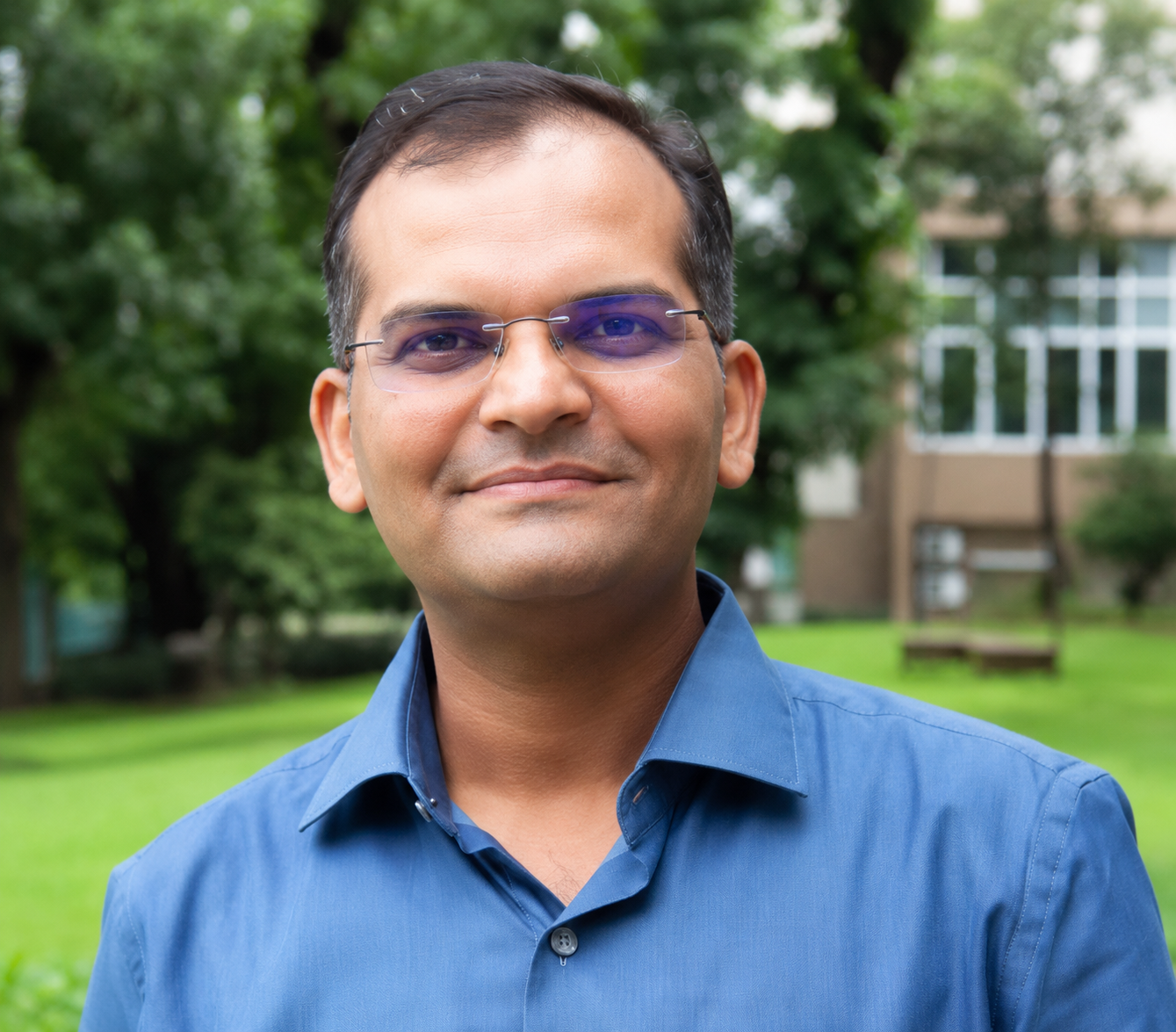
The broader motivation of the study is to establish a foundation for future use of recovered cobalt-based feedstocks. Transition metal oxides are widely explored for high-performance supercapacitor electrodes, and cobalt oxide is especially attractive because of its mixed-valence redox activity, structural stability, and pseudocapacitive behaviour. In this work, Co3O4 nanoparticles were synthesized by a hydrothermal route. The material showed a cubic spinel structure and mesoporous morphology, which enhanced ion diffusion and charge-transfer kinetics. The as-synthesized Co3O4 delivered the highest specific capacitance of 1195.05 F g−1 at 1.5 A g−1 in the three-electrode configuration. A symmetric supercapacitor device fabricated using Co3O4 demonstrated a specific capacitance of 870.6 F g−1 at 5 A g−1, along with an energy density of 77.3 W h kg−1 and a power density of 1997.7 W kg−1. Thus, the work provides a strong foundation for future studies on recovered cobalt-based electrodes and eco-friendly current collectors for sustainable energy storage.

SUS-PP-15 · Circular Water Technologies and Sustainable Hydrosphere Management

Multi-Stimuli-Assisted Catalytic Degradation of Rhodamine B using Bismuth Ferrite Nanoparticles

Kokkiligadda Jhansi*,† and Parasuraman Swaminathan*,†

Electronic Materials and Thin Films Lab, Department of Metallurgical and Materials Engineering, Indian Institute of Technology Madras, Chennai 600036, India

* Corresponding authors · swamnthn@iitm.ac.in; jhansimme732@gmail.com

Abstract. Multifunctional materials can be used to develop highly responsive catalysts for degradation of harmful chemicals by leveraging multiple energy sources simultaneously; these can surpass traditional environmental clean-up techniques, typically based on photocatalysis, and minimize inefficiencies while addressing the challenge of intensive energy consumption. In this study, we demonstrate the efficacy of this multi-stimuli approach by using bismuth ferrite (BFO), a multiferroic material capable of being activated by a combination of light (photocatalysis) and ultrasound (piezo-catalysis), to facilitate the breakdown of organic dyes. This unique combination of multiferroic BFO with multi-stimuli inputs demonstrates an innovative approach to pollutant degradation compared to conventional approaches that rely on photocatalysis alone. Our work focuses on examining the multi-stimuli catalytic efficiency of BFO nanoparticles for the degradation of Rhodamine B (RhB) at a concentration of 20 mg L−1, significantly exceeding the concentrations (5–10 mg L−1) documented in prior photo- and piezo-catalysis investigations. The simultaneous utilization of these energy sources results in markedly faster reaction rates compared to using a single energy source, paving the way for the development of adaptable and versatile technologies based on multiferroic materials, designed to perform efficiently under diverse and evolving conditions, for effectively cleaning real-world wastewater and environmental remediation.

SUS-PP-16 · Circular Water Technologies and Sustainable Hydrosphere Management

Magnetite Graphene Oxide (MGO) Incorporated Hollow Fiber Membrane for Pharmaceutical Wastewater Treatment

Harshita Dihora, Mrinmoy Mondal*,† and Puyam S. Singh*,†

Membrane Science and Separation Technology Division, CSIR-CSMCRI, Bhavnagar 364021, India

Abstract. (continued overleaf)

Pharmaceutical wastewater containing micro-pollutants is an important environmental problem because these pollutants tend to persist in the environment. Membrane-based separation processes are regarded as a convenient and compact means of treating wastewater. The main aim of this research study was to separate the pharmaceutical active compound nystatin by applying the membrane technique. To achieve this, graphene oxide (GO) and magnetite graphene oxide (MGO) were synthesized, and MGO was then incorporated onto a polysulfone-based hollow fiber membrane to improve its separation performance. Membranes of varying MGO loadings were analyzed using FT-IR, Raman spectroscopy, XRD, XPS, FE-SEM, HR-TEM, EPR, DSC, and TGA techniques. Among all the membranes used, M-4, which contained 0.03% MGO, displayed the highest effectiveness, with a permeability of ≈71.34 L/m2h·bar at 1 bar pressure, nystatin rejection of 98%, and a MWCO of ≈1531 Da. The improved membrane performance was mainly attributed to enhanced membrane morphology and hydrophilicity, which contributed to high permeation flux and improved separation efficiency.

SUS-PP-17 · Circular Water Technologies and Sustainable Hydrosphere Management

Water Recovery from Saline Water using Hydrophobic Polyvinylidene Fluoride (PVDF) Hollow Fiber Membrane Based Direct Contact Membrane Distillation (DCMD)

Vishal B. Gohil, Mrinmoy Mondal and Puyam S. Singh

Membrane Science and Separation Technology Division, CSIR-CSMCRI, Bhavnagar 364021, India

Abstract. Direct contact membrane distillation (DCMD) is a thermally driven desalination technique that has gained increasing attention for high-salinity water treatment due to its ability to operate at low temperatures while delivering high separation efficiency and effectively utilizing low-grade heat sources. In this study, a PVDF hollow fiber membrane engineered with a sandwich tri-layer porous morphology was employed to enhance vapor transport and reduce mass-transfer resistance. The membrane exhibited a hydrophobic surface with a water contact angle of 115°, ensuring stable operation without pore wetting. DCMD performance was evaluated using a 3.5 wt% NaCl feed solution, achieving an average permeation flux of 7.5 L/m2h and a salt rejection exceeding 99.7% with a hot saline water stream at 80°C and a cold distillate stream at 18°C. The system demonstrated stable long-term operation over a continuous 10-hour run, confirming the suitability of the PVDF hollow fiber structure for energy-efficient and reliable desalination applications.

SUS-PP-18 · Circular Water Technologies and Sustainable Hydrosphere Management

Enhanced Primary Treatment and Hybrid Wastewater Treatment Systems for Domestic Sewage

Md Sarfraz Ahmad*,† and Dr. Maithili Mohanty

Department of Civil Engineering, National Institute of Technology Rourkela, Sundargarh, Odisha 769008, India

* Corresponding author · 525ce6007@nitrkl.ac.in

Abstract. One of the most recent advancements in the enhancement of pollutant removal in municipal wastewater treatment is Chemically Enhanced Primary Treatment (CEPT). By treating the primary stage of wastewater treatment with coagulants and flocculants, there is an increase in the removal of suspended solids and particulate organic matter, along with an overall improvement in treatment efficiency and organic load reduction provided to subsequent downstream biological treatment processes.

CEPT does, however, increase the rate of chemical consumption and sludge generation, as well as operational costs and the hazards of chemical handling and disposal. At the same time, hybrid decentralized wastewater treatment systems have been gaining popularity, presenting an even more viable option as they focus on treating domestic wastewater in the absence of centralized treatment systems; these systems combine one or more treatment processes such as septic tanks, Up-flow Anaerobic Sludge Blanket (UASB) reactors, and constructed wetlands to promote organic matter removal without high energy or operational costs, and have been proven through numerous studies to remove high and low levels of Chemical Oxygen Demand (COD), Biological Oxygen Demand (BOD), and Total Suspended Solids (TSS) from domestic wastewater. In this regard, improving the hydrolysis and solubilization of complex organic matter during the initial stages of treatment has been identified as crucial for augmenting subsequent biological processes. The present study examines current treatment methods and hybrid configurations to gain insights into their mechanisms, treatment efficacy, benefits, and shortcomings, and elucidates major technological deficiencies while indicating possible avenues for the creation of novel, sustainable methods to enhance the primary stages of wastewater treatment while minimizing chemical use and lowering operational costs.

Theme 3

Circular Energy Systems and Carbon Resource Valorization

SUS-PP-19 · Circular Energy Systems and Carbon Resource Valorization

Glucoside-Assisted Enhancement of CO2 Hydrate Formation Kinetics: Molecular Dynamics Investigation

Ramkhelavan Kanaujiyaa, Tarak K. Patra and Atanu K. Metya*,‡

Department of Chemical Engineering, Indian Institute of Technology Madras, Chennai 600036, India  ·  Department of Chemical and Biochemical Engineering, IIT Patna, Patna 801106, India

* Corresponding author · ch21d030@smail.iitm.ac.in

Abstract. Gas hydrates, or clathrate hydrates, are crystalline compounds in which water molecules form hydrogen-bonded cages that encapsulate guest gases such as CO2 and CH4 under high-pressure, low-temperature conditions. Naturally occurring in deep-sea sediments and permafrost, these hydrates also hold promise for technological applications, including gas storage, separation, transportation, greenhouse gas sequestration, wastewater treatment, desalination, and flow assurance in oil and gas pipelines. However, their inherently slow formation kinetics remain a major limitation for large-scale carbon capture and storage. In this work, molecular dynamics (MD) simulations are employed to examine the impact of glucoside-based additives – caprylyl glucoside, decyl glucoside, lauryl glucoside, and their sulphonated derivatives – on CO2 hydrate nucleation and growth. The influence of pressure, temperature, and additive concentration is systematically investigated to provide molecular-level insights into glucosides as kinetic hydrate promoters. Our results demonstrate that glucoside-based promoters significantly enhance hydrate formation and growth, advancing the understanding of hydrate–promoter interactions and underscoring their potential for efficient, sustainable CO2 capture and storage strategies.

SUS-PP-20 · Circular Energy Systems and Carbon Resource Valorization

A Novel Wave Powered Maritime Surveillance System

Suman Kumar and Abdus Samad*,†

Department of Ocean Engineering, Indian Institute of Technology Madras, Chennai, India

* Corresponding author · samad@iitm.ac.in

Abstract. Unmanned coastal surveillance systems (UCSSs) powered by ocean wave energy can be deployed along coasts where close observation is needed to prevent infiltration or detection of unknown objects that could threaten a country’s security. Existing systems generally use solar power, which requires a large battery. A wave energy converter (WEC) extracts energy from ocean surface waves and reduces the battery requirements of a UCSS. This study describes a WEC, Sindhuja-I, that supplied power to a UCSS. The Sindhuja-I is portable and can be deployed at 10 m to any water depth in the sea. The UCSS was designed and tested in the wave basin facility at IIT Madras, and system performance was recorded under different wave conditions. A few objects were detected and identified using an image-processing strategy. The WEC produced varying power, reaching up to 20 W, while the camera consumed around 2 W under different laboratory test conditions.

SUS-PP-21 · Circular Energy Systems and Carbon Resource Valorization

Energy System Transition as Carbon Valorisation: Grid Expansion, Fossil Displacement, and Decentralised Renewable Persistence in Rural India

Srikant Shaw and Santosh Kumar Sahu*,‡

Department of Humanities and Social Sciences, Indian Institute of Technology Madras  ·  School of Sustainability, IIT Madras

* Corresponding author · santosh@iitm.ac.in

Abstract. Transitioning rural energy systems away from fossil-dependent technologies toward cleaner alternatives is central to circular energy strategies in developing economies. However, the pathway through which centralised grid expansion interacts with decentralised energy systems, and whether it reinforces or undermines carbon valorisation at the household level, remains empirically underexplored. This paper examines how large-scale rural electrification reshapes the household energy portfolio through technology displacement, fossil fuel dependence, and clean energy capital accumulation, using nationally representative panel data from the CEEW ACCESS survey covering rural households across six Indian states in 2015 and 2018. Exploiting district-level variation in grid connection growth under India’s Saubhagya and DDUGJY programmes, we employ a difference-in-differences design validated across fixed effects, standard first-difference, and augmented first-difference estimators. The results identify three mechanisms through which grid expansion contributes to and partially constrains circular energy system transitions. First, grid expansion displaces fossil-intensive decentralised nodes: diesel-powered microgrids, which constituted 91 per cent of the baseline decentralised supply sample, decline significantly in treated districts, closing a linear fossil extraction-combustion loop at the community level. Second, kerosene lighting declines by 30 percentage points in treated households, representing a substantial reduction in carbon-intensive household energy flows and a shift toward lower-emission grid electricity. Third, and critically, solar home systems are statistically unaffected by grid expansion, indicating that clean decentralised technologies retain their role in the energy portfolio even as fossil-dependent alternatives exit, a finding consistent with circular energy system logic where complementary rather than substitutable technologies coexist. Downstream, treated households accumulate grid-complementary energy capital, including inverters and electrical appliances, deepening system integration and extending the productive utilisation of energy infrastructure. The aggregate transition from diesel and kerosene toward grid electricity and persistent solar represents a partial carbon valorisation pathway: reducing the carbon intensity of energy services delivered while preserving decentralised renewable capacity. However, substituting diesel microgrids for a coal-heavy grid implies that the net emissions benefit depends critically on the carbon intensity of grid supply, underscoring the importance of concurrent grid decarbonisation as a condition for realising the full circular energy potential of rural electrification programs.

SUS-PP-22 · Circular Energy Systems and Carbon Resource Valorization

CFD Modelling of Reactive CO2 Absorption in Structured Packings

Matam Sandeep Chandra, Praveen Kumar and Swapna Singha Rabha*,†

Department of Chemical Engineering, Indian Institute of Technology Madras, Chennai, India

* Corresponding author · srabha@iitm.ac.in

Abstract. CO2 is one of the major greenhouse gases causing global warming, and carbon capture, utilization, and storage (CCUS) is one of the novel technologies addressing the issue of CO2 emissions. (continued overleaf)

Among various CO2 capture methods, amine-based CO2 absorption remains a widely used technology in industry, with efficiency depending on factors such as operating conditions, the type of amine used, and the effectiveness of gas–liquid contact. Structured packings offer excellent mass transfer efficiency, low pressure drop, good wettability, and high capacity compared to random packings for effective gas–liquid contact, but are also more sensitive to maldistribution, which reduces gas–liquid mass transfer, making it important to improve mass transfer in structured packing. This work focuses on developing a multiphase Eulerian CFD model to predict the hydrodynamics, mass transfer, and CO2 absorption in monoethanolamine (MEA) for an in-house structured packed column. The computational domain consists of a packed column of 28 cm height and 5 cm diameter, equipped with structured packing of 4.979 cm diameter to enhance gas–liquid contact; the liquid phase consists of aqueous MEA solution filled to a height of 28 cm, with a binary gas mixture of 28.2 wt% CO2 and 71.8 wt% N2 introduced from the bottom at 0.021 m/s. The governing momentum, energy, and species transport equations are solved using OpenFOAM v8.0, beginning with an investigation of hydrodynamics followed by detailed modelling of CO2 absorption in MEA, where CO2 reacts with MEA to form carbamate (CO2 + H2O + 2 MEA ⇌ MEACOO + MEAH+). Mass transfer between gas and liquid phases is incorporated through a Sherwood number correlation, Sh = f(Re, Sc), and the predicted CO2 loading and capture efficiency at different gas velocities are validated against in-house experimental data; the effective interfacial area across the column is estimated from the gradient of the liquid volume fraction. Unlike the porous media approach commonly used in the literature, which fails to capture the realistic flow distribution across packings that strongly influences mass transfer, the present work employs in-house realistic structured packing geometry, allowing the flow behaviour within the packing elements to be observed, and the resulting CFD predictions of product formation are compared with those obtained using the porous media approach.

SUS-PP-23 · Circular Energy Systems and Carbon Resource Valorization

Sustainable MEA-Based CO2 Capture: Mass Transfer and Solvent Stability Analysis

Praveen Kumaar R and Swapna Singha Rabha

Department of Chemical Engineering, Indian Institute of Technology Madras, Chennai, India

Abstract. Post-combustion CO2 capture using aqueous monoethanolamine (MEA) is one of the most mature technologies for reducing industrial carbon emissions. However, long-term operation is often limited by solvent degradation and corrosion, leading to reduced process efficiency, increased solvent consumption, and higher operational waste generation. From a circular energy perspective, improving solvent stability and extending solvent lifetime are essential for enhancing the sustainability of carbon capture systems. In this study, CO2 absorption experiments were conducted in both semi-batch and continuous modes to investigate capture performance, mass transfer behaviour, solvent degradation, and corrosion in MEA-based systems under realistic operating conditions. Experiments were carried out in a stainless-steel packed column (5 cm diameter, 1 m height) using 10–30 wt% MEA solutions over a range of temperatures and inlet CO2 concentrations. Initial CO2 absorption efficiencies of 80–90% and CO2 loadings of 0.45–0.50 mol CO2 mol−1 MEA were achieved; with prolonged operation, capture capacity declined by 25–35% due to solvent aging and degradation. (continued overleaf)

Mass transfer analysis revealed absorption fluxes on the order of 10−4 mol m−2 s−1, while liquid-side mass transfer coefficients and enhancement factors decreased significantly with continued operation, indicating deterioration in reaction and transport performance. Solvent degradation and corrosion were characterized using HPLC-RID, FTIR, NMR, TGA, and ICP-OES; results showed 20–30% MEA loss, reduced thermal stability, and progressive iron accumulation due to corrosion. Additional studies under N2/CO2 and Air/CO2 environments confirmed that oxygen substantially induces degradation and metal leaching. Overall, this work highlights the importance of solvent preservation and corrosion reduction for developing more sustainable and resource-efficient amine-based CO2 capture systems aligned with circular energy principles.

SUS-PP-24 · Circular Energy Systems and Carbon Resource Valorization

Experimental and Computational Investigation of Solute Transport in Porous Media

Vishnu Priyan J, Paridhi Goel and Swapna Singha Rabha

Department of Chemical Engineering, Indian Institute of Technology Madras, Chennai 600036, India

Abstract. Pore-scale modeling has limitations for large-scale transport studies because it is restricted to small domains and may not fully capture reservoir heterogeneity. In this study, porosity data were extracted from a real cylindrical core sample (24 cm length and 5 cm ID) using MATLAB-based image-processing techniques; the workflow integrated MATLAB for data processing and geometry generation, while COMSOL Multiphysics was used for transport simulations. Rock permeability was estimated using the Pape et al. (1998) correlation based on pore-structure characteristics, and the resulting datasets were mapped onto a cylindrical geometry for numerical simulations. The influence of diffusion coefficient, dispersivity, and permeability distributions on tracer transport was analyzed, with both spatial and temporal tracer distributions quantified using residence time distribution (RTD) and dilution index analyses; the dilution index was determined using image-processing-based methods described by Kitanidis et al. (1994) to evaluate mixing and spreading behavior. Variations in permeability and porosity were found to influence flow velocity and RTD, while fractures created preferential flow pathways that accelerated transport and reduced mixing. Further, experiments were conducted in homogeneous and heterogeneous synthetic media to generate controlled data; the movement of the tracer plume at the outlet was analyzed to measure RTD at various flow rates, and images were captured with a high-speed camera to evaluate the dilution index. At lower flow rates, the RTD curves showed a broader distribution with a long tail, while as flow rate increased, tracer breakthrough occurred earlier and the extent of tailing decreased. The qualitative visualization results were consistent with the RTD analysis, thereby linking pore-scale heterogeneity to overall transport behavior. The developed model will be further applied to understand CO2 transport and flow behavior in sub-surface flow.

SUS-PP-25 · Circular Energy Systems and Carbon Resource Valorization

Energy-Based Screening of Advanced Solid Adsorbents for Sustainable CO2 Capture Applications

Paridhi Goel, Praveen Kumaar R. and Swapna Singha Rabha*,†

Department of Chemical Engineering, Indian Institute of Technology Madras, Chennai 600036, India

* Corresponding author · srabha@iitm.ac.in

Abstract. Adsorption-based carbon capture has emerged as a promising alternative to conventional amine absorption, offering several advantages. In conventional temperature-swing adsorption (TSA) processes, regeneration is typically performed at a constant heating temperature, which often results in excessive thermal driving forces, irreversible heat transfer, and poor energy utilization; the large regeneration energy requirement during the desorption step remains a major challenge limiting the large-scale deployment of adsorption systems. The present work proposes a simplified thermodynamic framework for analyzing regeneration energy requirements in adsorption-based CO2 capture systems, introducing the concept of pinch-based thermal management to define optimized desorption conditions during the regeneration of solid adsorbents. The model is employed to analyze different heating strategies, with the baseline constant-temperature case first validated against reported literature results; the validated model is then employed to evaluate various heating strategies and their influence on regeneration energy demand, desorption duration, and thermodynamic efficiency. The model framework is further extended to compare the regeneration behavior of various solid adsorbents such as metal-organic frameworks (MOFs), covalent organic frameworks (COFs), zeolitic imidazolate frameworks (ZIFs), and amine-functionalized silica adsorbents. The expected outcome of this work is the identification of adsorbent materials and regeneration strategies that offer lower specific energy consumption and improved thermodynamic performance, providing a simple yet effective platform for screening emerging adsorbents from an energy perspective and enabling a more performance-oriented evaluation rather than one based solely on adsorption capacity.

SUS-PP-26 · Circular Energy Systems and Carbon Resource Valorization

Multiscale Modeling Framework for Electrically Heated Steam Methane Reforming Reactor

T. Bhumana, S. De, A. P. van Bavel§, A. N. R. Bos§ and H. Goyal*,†

Indian Institute of Technology Madras, India  ·  Shell India Markets Private Limited, Bangalore, India  ·  §Shell Global Solutions International B.V., Amsterdam, Netherlands

* Corresponding author · goyal@iitm.ac.in

Abstract. The increasing availability of affordable renewable electricity offers a significant opportunity to decarbonize energy-intensive chemical processes. Among various electricity-to-heat technologies, including microwave and induction heating, Joule heating has emerged as a promising option owing to its high thermal efficiency, rapid thermal response, and scalability. While experimental studies have demonstrated the feasibility of electrically heated catalytic reactors, the development of computational design frameworks for reactor optimization and scale-up remains limited. In this work, a two-dimensional axisymmetric computational fluid dynamics (CFD) model is developed to investigate the coupled electro-thermal-species transport behavior in a Joule-heated steam methane reforming (SMR) reactor, incorporating the heterogeneous reaction kinetics proposed by Xu and Froment. (continued overleaf)

The CFD predictions are validated against the experimental temperature profiles reported by Wismann et al., demonstrating good agreement with the measured data. The model further provides detailed insights into the interplay between heat transfer, mass transfer, and reaction kinetics through analyses of Nusselt and Sherwood numbers along with characteristic time scales. In addition, the influence of axial power distribution on reactor performance is systematically examined while maintaining the same average power input; three power profiles – constant, linearly increasing, and linearly decreasing – are evaluated for their impact on temperature distribution, methane conversion, hydrogen yield, and reactor length reduction. The simulations reveal that a linearly decreasing power profile produces a more uniform temperature distribution, resulting in enhanced methane conversion and hydrogen yield, and that comparable reactor performance can be achieved at significantly reduced reactor lengths, highlighting the potential of power tailoring as a strategy for process intensification in electrically heated catalytic reactors.

SUS-PP-27 · Circular Energy Systems and Carbon Resource Valorization

Mass Transfer Analysis in the Catalyst Layer for Electrochemical Reduction of CO2

Vedha Vaishnavi R and Himanshu Goyal*,†

Indian Institute of Technology Madras, Chennai, India

* Corresponding author · goyal@iitm.ac.in

Abstract. Electrochemical utilization of CO2 has significant potential to convert CO2 into valuable chemicals such as CO, and recent advances in gas diffusion electrodes (GDEs) have improved CO2 electrolyzer performance. However, the catalyst layer (CL) is multiscale, multiphase, and multiphysics, making accurate modelling a challenge; various 1D models report transitions from a kinetic to a mass-transfer-controlled regime as applied potential increases, but the physical representation of CO2 gas–electrolyte liquid distribution and wettability underlying the mass transport limitations remains simplified. In this study, a validated 1D model is combined with pore-scale Volume of Fluid (VOF) simulations to examine how gas–liquid distribution and wettability influence mass transfer limitations in the CL. A 1D model of a microfluidic CO2 electrolyzer with an Ag GDE is developed and validated against experiments; simulations are performed at 1 atm and 0.5 M KHCO3 electrolyte, with reduction potential varying from −0.5 V to −2 V (vs. RHE). The 1D model is implemented in COMSOL Multiphysics, and the gas–liquid distribution is investigated using the VOF method in ANSYS Fluent. The developed 1D model is analyzed for two wettability conditions in the CL – wetted (thin electrolyte film) and flooded (electrolyte-filled pores) – and the mass transfer analysis identifies the gas–liquid mass transfer coefficient as the sensitive parameter, which is commonly overestimated in the literature using diffusivity–film-thickness relations. From VOF simulations, under hydrophilic conditions the CL remains flooded irrespective of increasing contact angle at 1 atm, showing that flooding-dominant transport provides a more realistic description of gas–liquid distribution in the CL than thin-film transport assumptions.

SUS-PP-28 · Circular Energy Systems and Carbon Resource Valorization

Scalable Azo-Dye Based Carbon Quantum Dot for Optical Management

Ayush George and Abhay Vijay Kotkondawar*,†

Department of Chemistry, Institute of Chemical Technology–Indian Oil Odisha Campus, Bhubaneswar, India

* Corresponding author · av.kotkondawar@iocb.ictmumbai.edu.in; abhay.kotkondawar@gmail.com

Abstract. Azo dyes are a versatile class of organic compounds widely recognized for their intense coloration, photophysical properties, and broad applications in industrial and biomedical fields. The current investigation explores their potential as carbon dot precursors through a facile solvothermal synthesis approach, transforming the azo dye precursor under solvothermal conditions to facilitate carbonization and the formation of organic solvent-soluble carbon quantum dots (green-yellow CQDs). The developed method produced CQDs with a reaction yield of approximately 68% and exhibited strong fluorescence emission in the visible region. The physicochemical properties of the synthesized CQDs were comprehensively characterized using FT-NMR, HR-TEM, XPS, UV-DRS, and photoluminescence (PL) spectroscopy. Low-resolution TEM images revealed the formation of colloidal assemblies with average sizes ranging from 50 to 70 nm, while HR-TEM analysis indicated that the individual CQDs distributed within these assemblies possessed average particle sizes below 1.5 nm. The synthesized CQDs displayed pronounced fluorescence emission around 483 nm along with a high fluorescence quantum yield in DMF solution. Furthermore, a CQD-based luminescent film was fabricated using a poly(methyl methacrylate) (PMMA) matrix and successfully integrated onto a blue LED chip to construct a down-conversion light-emitting device; the Commission Internationale de l’Éclairage (CIE) chromaticity coordinates of the fabricated LED were determined to be approximately (0.27, 0.32). The excellent optical properties, solvent processability, and tunable fluorescence characteristics of azo-dye-derived CQDs highlight their potential applications in optical management, light-emitting devices, sensing, and advanced photonic technologies.

SUS-PP-29 · Circular Energy Systems and Carbon Resource Valorization

Assessing the Impact of Particle Size and Constituent Ratios of Mixed Household Waste on Syngas Production: A Hybrid Analysis

Srijan Sanjeev Shahane, Rohan Dutta and Vikranth Volli*,†

School for Climate Action, Anant National University, Ahmedabad, Gujarat 382115, India

Abstract. India has complex waste management challenges due to its mixed waste streams. Thermochemical conversion pathways are effective for extracting value from this waste as gaseous or liquid fuels, with efficiency and product formation determined by process temperature and feedstock composition. In this ongoing study, the characteristics of a mixed feedstock and their impact on syngas production and quality in a high-temperature gasification system are explored. The feedstock consisted of mixed sawdust, low-density polyethylene (LDPE) garbage bags, and kraft paper bags, shredded and mixed in different ratios. For sawdust mixtures, moisture and volatile matter were 7.2–7.36% and 85–86.9%, respectively, with ash content between 1.4–2.1%; for kraft paper, these parameters were 4.478%, 89.1%, and 6.86%, respectively; and for the garbage bag sample, they were 0.395%, 87.96%, and 9.36%, respectively, with ash content attributable to fillers and additives. The results of the proximate analysis show that both particle size and feedstock composition influence output and reaction kinetics; moisture and volatile matter, along with particle size and mixture ratios, play a role in determining the quality of syngas produced. These findings will aid in identifying ideal feedstock pre-treatment conditions for chemical recycling.

SUS-PP-30 · Circular Energy Systems and Carbon Resource Valorization

Synergistic Stability Enhancement of Magnesium-Doped MAPbI3 Perovskite Solar Cells via Vacuum Thermal Annealing

Nalini V*,†,‡, Aneela Perumulla, Nithin Xavier§, Mukundan R. Pillai§, Soumya Dutta§, Mousumi Upadhyay Kahaly‖,¶, Sreeram K. Kalpathy*,‡,#, Tiju Thomas*,‡,# and Sumangala T. P.*,†

Department of Physics, School of Advanced Sciences, Vellore Institute of Technology, Vellore, Tamil Nadu 632014, India  ·  Department of Metallurgical and Materials Engineering, Indian Institute of Technology Madras, Chennai 600036, India  ·  §Department of Electrical Engineering, Indian Institute of Technology Madras, Chennai 600036, India  ·  ELI ALPS, ELI-HU Non-Profit Ltd., Szeged H-6728, Hungary  ·  Institute of Physics, University of Szeged, Szeged H-6720, Hungary  ·  #Centre for Resource Efficiency, Recyclability and Circularity in Energy Transition, School of Sustainability, Indian Institute of Technology Madras, Chennai 600036, India

Abstract. Perovskite solar cells (PSCs) have recently achieved power conversion efficiencies (PCEs) comparable to conventional silicon photovoltaics. Despite this progress, commercialization remains limited by poor long-term stability and the need for fabrication in inert atmospheres, typically in glove boxes. To address the stability concerns, magnesium (Mg), an earth-abundant, non-toxic element, was explored as a partial substitute for lead in MAPbI3 perovskites; Mg incorporation was designed to block iodine vacancy sites, thereby reducing oxygen diffusion and mitigating degradation pathways. To overcome current challenges, precursor synthesis (MAI: methylammonium iodide and PbI2: lead iodide), ink preparation, and doping procedures were performed under cost-effective, open-air laboratory conditions (temperature: 30±2°C; relative humidity: 35±4%) within a fume hood, eliminating the need for sophisticated inert-atmosphere processing. Mg-doped perovskites were subjected to different annealing conditions, including conventional annealing and vacuum annealing (VA), to evaluate the impact of thermal treatment. Comparative analysis revealed that Mg doping alone increased the average grain size to ≈350 nm, while the combination of Mg doping with VA produced significantly larger grains (≈850 nm), as confirmed by SEM analysis. Mg-doped perovskite films subjected to vacuum annealing exhibited significantly improved moisture resistance, confirmed through climatic test studies at 35°C and 80–85% relative humidity, conditions known to accelerate material degradation. In addition to improved durability, the films exhibited a twofold enhancement in power conversion efficiency (PCE) under low-humidity conditions. Collectively, these results highlight the synergistic effect of Mg incorporation and vacuum thermal annealing in mitigating moisture-induced degradation pathways while simultaneously boosting device performance, highlighting the potential of compositional engineering with Mg and process optimization via vacuum annealing as complementary strategies to improve both the stability and efficiency of perovskite solar cells, paving the way for environmentally benign and commercially viable perovskite photovoltaics.

SUS-PP-31 · Circular Energy Systems and Carbon Resource Valorization

Valorization of Waste Biomass to Hard Carbon Anodes for Sodium-Ion Batteries

Nithyasree Manohar†,‡,§ and Nitin Muralidharan*,†,‡,§

EMERGE Research Group, Department of Chemical Engineering, Indian Institute of Technology Madras, Chennai 600036, India  ·  Centre for Resource Efficiency, Recyclability, and Circularity in Energy Transition, Indian Institute of Technology Madras, India  ·  §School of Sustainability, Indian Institute of Technology Madras, Chennai, India

* Corresponding author · muralidharan@iitm.ac.in

Abstract. The rising demand for cost-effective and sustainable energy storage solutions has necessitated the exploration of alternative battery technologies beyond traditional lithium-ion batteries. Sodium-ion batteries (SIBs) have emerged as a viable alternative for large-scale energy storage systems due to the natural abundance, extensive geographical distribution, and low cost of sodium resources. Among the numerous anode candidates, hard carbon has attracted considerable interest due to its high reversible capacity, suitable working potential, and compatibility with sodium-ion storage mechanisms. In this study, banana peduncle, an abundant agricultural waste biomass, is used as a sustainable precursor for the synthesis of hard-carbon anode materials. The biomass is initially subjected to acid hydrolysis to remove impurities and partially decompose lignocellulosic components, followed by potassium hydroxide (KOH) activation to develop a porous structure and increase the availability of active sites; the activated precursor is subsequently carbonized under an inert atmosphere to obtain hard carbon with a disordered microstructure favorable for sodium-ion storage. Structural and morphological characteristics of the synthesized materials are investigated using X-ray diffraction (XRD), Raman spectroscopy, and scanning electron microscopy (SEM). The combined acid hydrolysis, chemical activation, and thermal carbonization processes are expected to produce hard carbon with enlarged interlayer spacing, abundant defect sites, and hierarchical porosity, facilitating sodium-ion diffusion and storage. This work presents a cost-effective, environmentally sustainable approach to valorize banana peduncle waste into high-value hard carbon materials and highlights its potential as an anode material for next-generation sodium-ion batteries.

SUS-PP-32 · Circular Energy Systems and Carbon Resource Valorization

DFT Study on Conversion of Lignin-Derived Compounds in Supercritical Water, Methanol, and Ethanol Environments

Praveen Kumar Reddy Annapureddy and Nanda Kishore*,†

Department of Chemical Engineering, Indian Institute of Technology Guwahati, Guwahati, Assam 781039, India

Abstract. The transformation of lignin-derived compounds into high-value chemicals is a crucial step in the development of sustainable biomass-based energy systems and circular bioeconomies. The thermodynamic feasibility of two representative lignin-derived conversion pathways – conversion of ferulic acid to cinnamic acid and guaiacol to cyclohexanone – was investigated in supercritical methanol and supercritical ethanol. Thermodynamic parameters such as the change in Gibbs free energy (ΔG) and change in enthalpy (ΔH) were determined at different temperature and pressure conditions mimicking supercritical processing. The calculated Gibbs free energy values for both reactions were negative under all investigated conditions, indicating thermodynamically favourable reaction behaviour regardless of the solvent environment; however, the values for supercritical methanol and ethanol were relatively more negative than for supercritical water, implying increased thermodynamic favourability and improved stabilisation of reactants and products in alcohol-based supercritical media. (continued overleaf)

The Gibbs free energy for the conversion of guaiacol to cyclohexanone was more negative at higher temperatures, indicating that the required thermodynamic driving force is lower at higher temperatures. The calculated enthalpy values were positive for both reactions in all solvent systems, confirming the endothermic nature of the reactions and emphasising the importance of thermal energy input during conversion. These findings highlight the significance of solvent effects in determining the thermodynamics of biomass conversion reactions of lignin-derived materials, offering valuable insights for the development of sustainable thermochemical conversion processes and circular energy systems using supercritical alcohols as efficient reaction media for biomass upgrading.

SUS-PP-33 · Circular Energy Systems and Carbon Resource Valorization

Electrification of CO2 Sorbent Regeneration using Microwave Heating

Devangshi Debraj, Niket S. Kaisare and Himanshu Goyal*,†

Indian Institute of Technology Madras, India

* Corresponding author · goyal@iitm.ac.in

Abstract. The rise in CO2 emissions underscores the need for efficient carbon capture and low-energy sorbent regeneration. Conventional desorption methods based on a purge gas are either slow or energy-intensive, as they rely on indirect heat transfer mechanisms inherently limited by gas–solid contact efficiency; electrified heating using renewable energy presents a promising pathway to decarbonise energy-intensive processes in the chemical industry. Electrified approaches such as microwave swing adsorption (MSA) enable rapid and selective volumetric heating of the solid phase, significantly reducing desorption time and energy consumption. MSA has demonstrated improved efficiency across fluidised, packed, and structured bed configurations, each with distinct multiphase flow and heat transfer characteristics; however, there is a lack of mechanistic understanding of microwave–material interactions coupled with desorption kinetics. In an in-house reactor system, adsorption capacity, desorption efficiency, and the influence of varied flowrates and desorption temperatures on gas–solid interaction and regeneration performance are analysed for CO2 capture using Zeolite 13X. Microwave heating desorption cycles were subsequently conducted to assess the viability of microwave irradiation as a selective heating mode in a packed bed environment, and the evolution of temperature profiles within the bed provides insight into the energy deposition characteristics of microwave heating and its implications for bed-scale heat and mass transfer. A key focus of this work is to provide a rigorous basis for isolating the contributions of flow dynamics and heat transfer, since understanding these multiphase interactions is central to translating laboratory-scale performance into scalable, industrially relevant systems.

SUS-PP-34 · Circular Energy Systems and Carbon Resource Valorization

Performance Evaluation of a Pilot-Scale Two-Column VPSA System for Post-Combustion CO2 Capture Using Zeolite 13X Beads

R. Harish Ragavendran†,‡, Parthiban V†,§, Satyanarayanan Seshadri†,§,‖ and Swapna Singha Rabha†,§,‡

The Energy Consortium, Indian Institute of Technology Madras, Chennai, India  ·  Department of Chemical Engineering, Indian Institute of Technology Madras, Chennai, India  ·  §School of Sustainability, Indian Institute of Technology Madras, Chennai, India  ·  Department of Applied Mechanics & Biomedical Engineering, Indian Institute of Technology Madras, Chennai, India

Abstract. Post-combustion carbon capture is considered one of the promising approaches for reducing industrial CO2 emissions and supporting sustainable energy transition strategies. In the present study, a pilot-scale Vacuum Pressure Swing Adsorption (VPSA) system integrated within a mobile containerized unit was experimentally investigated for cyclic CO2 capture using zeolite 13X beads as the adsorbent material. The zeolite bead size ranged from 1.5–2.5 mm, and the adsorption columns possessed an internal diameter of 0.45 m with a total height of 1.5 m and a packed bed height of 0.70 m. The VPSA system consisted of two adsorption columns operated alternately under adsorption and vacuum desorption conditions to ensure continuous cyclic operation. A simulated flue gas mixture containing air and CO2 in an 80:20 ratio was supplied from the bottom of the packed bed at a total flow rate of 125 SLPM using a compressor. During adsorption, selective adsorption of CO2 occurred within the zeolite 13X packed bed, while regeneration was achieved using a vacuum pump under desorption conditions; the adsorption process exhibited exothermic characteristics, with bed temperatures reaching nearly 110°C during cyclic operation. System performance was evaluated over five consecutive adsorption–desorption cycles through breakthrough analysis, adsorption capacity, CO2 production rate, pressure drop characteristics, and cyclic stability studies. The experimental investigation demonstrated stable VPSA operation with effective CO2 separation under industrially relevant operating conditions, highlighting the potential of zeolite 13X-based packed bed systems for post-combustion carbon capture applications.

SUS-PP-35 · Circular Energy Systems and Carbon Resource Valorization

Production of Biofuel from Algal Biomass by Aqueous Phase Reforming

Taanisha Mukhopadhyay and Dr. Gourisankar Roymahapatra*,‡,§

Department of Chemical Engineering, IIEST Shibpur, Howrah, India  ·  Department of Metallurgy and Materials Science Engineering, IIEST Shibpur, Howrah, India  ·  §Department of Applied Science and Humanities, Haldia Institute of Technology (Autonomous), Haldia 721657, West Bengal, India

* Corresponding author · grm.chem@gmail.com

Abstract. With the growth of the human population, the need for sustainable energy resources has increased substantially; large-scale utilisation of fossil fuels would leave few viable energy resources for future generations, making renewable and clean sources of energy – Green Energy Resources – essential. Biological hydrogen (H2) production (BHP) enhancement through the use of nanoparticle (NP) supplements in the growth media has recently emerged as a promising approach; nanoparticles, including metal and metal oxide NPs, have shown significant improvement in BHP. (continued overleaf)

Suitable bacteria such as C. butyricum, used as inoculum together with gold nanoparticles (AuNPs), provided an effective approach for H2 production from sucrose, while Kappaphycus alvarezii and sludge were also processed for bio-hydrogen production. Aqueous phase reforming with 7.5 wt% Au was found to give a 62.3% higher yield from synthetic wastewater containing sucrose as feed under anaerobic culture, compared to a control applying the minimum amount of AuNPs; overall, the catalyst achieved 61.25% bio-hydrogen production. The maximum bio-hydrogen yield was 36.1% for a 2:1 (sludge:algae) ratio at 360°C. The high ratio of acetate to butyrate and low ethanol production observed in the presence of AuNPs is associated with a significant increase in H2 production. With the aim of expanding applications of bio-nanotechnology for hydrogen production, AuNPs were also biosynthesized via aqueous-phase reforming of a synthetic compound (brewery wastewater) supported on activated carbon; these AuNPs demonstrated strong catalytic performance for the degradation of industrial pollutants, making the environment cleaner and more sustainable. Overall, hydrothermal gasification (aqueous phase reforming) yielded syngas, biochar, and enhanced H2 production via liquid-phase formation, while anaerobic digestion of cyanobacterial biomass broke down complex organic and inorganic compounds in industrial wastewater, facilitating an efficient reforming process.

Theme 4

Circularity in the Battery Industry and Critical Minerals Recovery

SUS-PP-36 · Circularity in the Battery Industry and Critical Minerals Recovery

Machine Learning-Based Battery Second-Life Classification for Sustainable Electric Vehicle Ecosystems

Amartya R. Nair, Aditya V. Padwalkar and Anupam Sharma*,†

School of Engineering, Chanakya University, Bengaluru, Karnataka, India

* Corresponding author · anupam.s@chanakyauniversity.edu.in

Abstract. The rapid growth of electric vehicles (EVs) has led to a significant increase in lithium-ion batteries, posing both environmental challenges and resource wastage concerns. Many batteries are removed from EV applications when their State of Health falls below 70%, yet they still have sufficient usable capacity for secondary applications such as stationary energy storage. This paper proposes an AI-driven Smart Battery Second-Life Decision System that enables classification of used EV batteries into reuse, repurpose, or recycle pathways. The system senses key battery parameters, including voltage, current, temperature, and internal resistance, using an embedded hardware platform; these inputs are processed through a machine learning model trained to estimate battery health metrics such as State of Health (SoH) and Remaining Useful Life (RUL). Based on predictive analytics, the system performs automated decision-making to determine optimal second-life utilization: batteries with higher health are redirected for reuse in EV or mobility applications, moderately degraded batteries are repurposed for stationary storage such as solar energy systems, and critically degraded batteries are sent for recycling. The proposed solution contributes to circularity in the battery industry by extending battery lifecycle, reducing waste, and improving resource efficiency, while enabling scalable and cost-effective decision intelligence for sustainable battery management in emerging EV ecosystems.

SUS-PP-37 · Circularity in the Battery Industry and Critical Minerals Recovery

Deep Eutectic Solvent Electrolytes for Sustainable Lithium–Sulphur Batteries

Dipshikha Jana, Bibhas Kumar Nayak and Kshetramohan Sahoo*,†

Department of Chemical Engineering, National Institute of Technology, Rourkela-769008

* Corresponding author · sahook@nitrkl.ac.in

Abstract. The rapid shift to green and renewable energy demands efficient storage solutions which must also be sustainable. Lithium–sulphur (Li–S) batteries are attractive options due to their high theoretical energy density, low cost, and sulphur abundance. However, conventional electrolytes suffer from polysulfide shuttle, instability, and environmental concerns. This work explores deep eutectic solvent (DES)-based electrolytes as greener alternatives, offering low volatility, non-toxicity, and improved solvation behaviour. We focus on designing and optimizing DES formulations to mitigate electrolyte–electrode interaction challenges, aiming to enhance cycle life, stability, and efficiency. The study aims to advance Li–S batteries as a sustainable option for large-scale renewable energy storage.

SUS-PP-38 · Circularity in the Battery Industry and Critical Minerals Recovery

Extraction of Critical Metals from Spent LiFePO4 (LFP) Batteries using Polyol-Based Metallurgical Method

Franklin Darlingboy Tellewoyan†,‡ and Dr. Nitin Muralidharan*,†,‡

EMERGE Research Group, Department of Chemical Engineering, Indian Institute of Technology Madras, Chennai, India  ·  Centre for Resource Efficiency, Recyclability and Circularity in Energy Transition, Indian Institute of Technology Madras, Chennai, India

Abstract. Due to the massive increase in the use of lithium-ion batteries in electronic devices and electric vehicles, there has been a drastic increase in battery demand along with economic and environmental concerns. Conventional approaches, including pyrometallurgy, hydrometallurgy, and direct recycling methods, are widely used for recovering critical metals such as Li, Ni, Co, and Mn from spent or dead Li-ion batteries; however, conventional hydrometallurgical methods use toxic acids and bases, while pyrometallurgy uses very high temperatures. Here, we demonstrate a green polyol-based metallurgical approach using citric acid in ethylene glycol (CAEG), which serves dual functions – leaching and forming a complex precipitate – during the extraction of lithium from LiFePO4 (LFP) black mass. LFP black mass was pyrolyzed at elevated temperatures to remove volatile impurities, and the pyrolyzed black mass was characterized using techniques such as XRD, FTIR, ICP-MS, and TGA to understand its chemical composition. Leaching was performed using the CAEG solution, and the duration of precipitation was optimized; the leachate and residue were also characterized to evaluate leaching efficiency. It was found that >90% of the Li can be selectively extracted using the CAEG method, demonstrating that a polyol-based metallurgical approach can be a viable green method to extract Li from LFP black mass.

SUS-PP-39 · Circularity in the Battery Industry and Critical Minerals Recovery

Solvent-Based Lithium Extraction: A Combined Molecular Dynamics and Experimental Study

Shamanth Y. U., Jitendra Carpenter, Subrahmanya Bhat K., Srikanth Divi and Anoop Kishore Vatti*,†

Manipal Institute of Technology, Manipal Academy of Higher Education, Manipal 576104, India

* Corresponding author · anoop.vatti@manipal.edu

Abstract. Lithium-ion batteries (LIBs) are central energy-storage technologies for modern electrification, particularly in electric vehicles, and are increasingly being deployed in stationary grid energy-storage applications. Recycling lithium from spent batteries allows valuable resources to be reintegrated into the supply chain, thereby supporting the development of a circular economy and advancing sustainable development. Liquid–liquid extraction is considered an efficient and cost-effective approach for lithium recovery. In this study, molecular dynamics simulations were carried out to examine the selective separation of lithium using deep eutectic solvents and ionic liquids, followed by experimental validation. The work provides an in-depth discussion of the extraction mechanism, solvation behavior, atomic-level interactions, extraction efficiency, and various structural and dynamical properties.
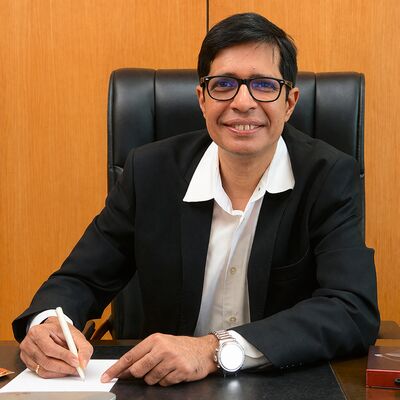
SUS-PP-40 · Circularity in the Battery Industry and Critical Minerals Recovery

Recovery of Active Cathode Material from Spent Mobile Lithium-ion Batteries using a Custom-made Ternary Deep Eutectic Solvent

Appurva K*,†, Rajesha P M, P Hemanth, V M Aravind, Raju K Gupta and Sudhir H Ranganath

Bio-INvENT Lab, Department of Chemical Engineering, Siddaganga Institute of Technology, Tumakuru, Karnataka, India  ·  Department of Chemical Engineering, Indian Institute of Technology Kanpur, U.P., India  ·  Department of Sustainable Energy Engineering, Indian Institute of Technology Kanpur, U.P., India  ·  Chandrakanta Kesavan Centre for Energy Policy and Climate Solutions, Indian Institute of Technology Kanpur, U.P., India  ·  Tvastra InnoTech Solutions Pvt. Ltd., Tumakuru, Karnataka, India

* Corresponding author · 1si23ch038@sit.ac.in

Abstract. Lithium-ion batteries (LiBs) are integral to modern technology, powering a broad array of devices, including mobile phones, laptops, electric vehicles, and systems for renewable energy. However, their widespread utilisation presents considerable environmental and social challenges, notably due to the reliance on scarce and hazardous materials that necessitate energy-intensive extraction and processing methods. Recycling of LiBs emerges as a viable strategy to address these issues, offering a method to reclaim valuable metals and reduce the demand for the extraction of fresh raw materials. Furthermore, recycling initiatives have the potential to generate economic opportunities and foster innovation within the battery sector. Conventional recycling methods, including pyrometallurgical and hydrometallurgical processes, are energy-intensive and hazardous. To address this, we developed a novel Ternary Deep Eutectic Solvent (TDES), which is green and composed of Hydrogen Bond Donors and Acceptors in a specific molar ratio. This solvent offers several advantages, such as low freezing points, high thermal stability, low volatility, and tunability. Spent mobile phone batteries were dismantled under water to safely recover active cathode material (ACM), which contained Li, Co, Ni, and Mn. The TDES achieved rapid leaching of the ACM at 90°C within 30 minutes and at a significantly lower operating temperature (90°C) than traditional methods (700°C). High extraction efficiencies of ~99% were achieved for Li⁺, Co²⁺, Ni²⁺, and Mn²⁺. Subsequent stage-wise selective precipitation allowed recovery of high-purity metal oxides of Nickel, Manganese and Cobalt and Lithium is selectively precipitated as Lithium carbonate. Kinetic analysis indicated that leaching was controlled by both liquid-film diffusion and product-layer diffusion for Li and Co. The same TDES was applied to LiNi0.85Co0.1Al0.05O2 (NCA), yielding extraction efficiencies of ~68% Ni, ~64% Co, ~92% Al, and ~70% Li, aligning with elemental analysis. Further optimisation of metal recovery from NCA systems is under current investigation. Overall, the developed TDES demonstrates strong potential as a sustainable and efficient medium for LIB recycling.

SUS-PP-41 · Circularity in the Battery Industry and Critical Minerals Recovery

Direct Electrochemical Extraction of Lithium Metal from Black Mass Leach Liquor

Lakshmi Narayana Manickavasagam†,‡, Abraham Samuel Thangadurai†,‡ and Nitin Muralidharan*,†,‡

EMERGE Research Group, Department of Chemical Engineering, Indian Institute of Technology Madras, Chennai, India  ·  Centre for Resource Efficiency, Recyclability & Circularity in Energy Transitions, Indian Institute of Technology Madras, Chennai, India

Abstract. Electrification of transport and grid-scale energy storage has resulted in the manufacturing and utilization of billions of Li-ion batteries. With increasing electrification to meet net-zero demands, the number of batteries required is also increasing exponentially year by year, and at this rate, millions of tonnes of spent or dead lithium batteries and thousands of tonnes of production scrap would be generated in the next few years. (continued overleaf)

To ensure sustainable use of renewable technologies integrated with battery energy storage systems, recycling of critical materials from spent Li-ion batteries is crucial. LiNi1-x-yMnxCoyO2 (NMC) and LiFePO4 (LFP) are the most predominant battery chemistries in use; in NMC batteries, Ni, Mn, Co, and Li are the most valuable metals, whereas in LFP, Li is the most valuable metal. Conventionally, critical materials are recovered using hydrometallurgical and pyrometallurgical techniques; however, in these methods, Li is generally recovered at the final step owing to its small atomic radius, generally in salt form with a low recovery efficiency (40–60%). Here, we demonstrate a novel electrochemical technique, utilizing a Li-ion-conducting membrane, to selectively recover Li in its metallic form from black mass leach liquor, which can potentially be integrated with conventional hydrometallurgical techniques to recover Li at the very first step, significantly reducing Li loss.

SUS-PP-42 · Circularity in the Battery Industry and Critical Minerals Recovery

TBP Encapsulated in Pickering Emulsion for the Selective Recovery of Lithium from Salt Brines

Guguloth Naresh, Etheyaraja Mani, Sulalit Bandyopadhyay§ and Sreeram K. Kalpathy†,‡

Department of Metallurgical and Materials Engineering, Indian Institute of Technology Madras, India  ·  Department of Chemical Engineering, Indian Institute of Technology Madras, India  ·  §Department of Chemical Engineering, NTNU, Norway

Abstract. Lithium has already occupied an unshakable position in the field of energy transformation, due to its near-irreplaceability in the production of high-energy-density batteries for electric vehicles. The world is moving towards zero-emission mobility, which requires the electrification and decarbonization of the transport sector. The new energy market has been expanding rapidly, with a dramatic increase in lithium demand worldwide, estimated at 1,607,000 tons in 2050; meanwhile, the gap between demand and supply is becoming increasingly severe, and a sustainable supply of lithium is essential to the healthy development of the lithium battery market. Therefore, it is imperative to develop new technologies and expand various channels for highly efficient lithium recovery. Currently, several common technologies, such as adsorption, ion exchange, solvent extraction, and membranes, have been developed for lithium recovery from salt lake brine. Among these technologies, solvent extraction using tributyl phosphate (TBP) and FeCl3 as coextractants offers unique advantages, including excellent lithium selectivity in brines with high Mg/Li ratios, stable cycling performance, and simple operation; however, the conventional TBP technique has several limitations, including poor mass transfer, unstable interfaces, extractant loss, and high energy intensity. Therefore, we propose a new technique in which TBP is encapsulated within Pickering emulsions for efficient extraction of Li from salt brine.

SUS-PP-43 · Circularity in the Battery Industry and Critical Minerals Recovery

Sustainable Benign Route to Utilize Spent Lead-Acid Batteries for Producing PbCl2 Electrodes for Next-Generation Li-Ion Batteries

Andrews Cyril A, K. K. Sahu and Srijan Sengupta*,§

Centre for Circularity, School of Sustainability, Indian Institute of Technology Madras, India  ·  CSIR–National Metallurgical Laboratory, Jamshedpur, India  ·  §Department of Materials, Rishabh Centre for Research and Innovation in Clean Energy, IIT Jodhpur, India

Abstract. In response to the rising demand for energy storage, researchers are prioritizing improving lithium-ion batteries’ specific energy and volumetric energy capacity. Lead (Pb) stands out as a promising anode option due to its high gravimetric capacity of 569 mAh/g and volumetric capacity of 6452 mAh/g, offering significant potential to enhance the performance of these batteries. Upgrading from discarded lead-acid batteries (LABs) to more contemporary lithium-ion batteries will be an alternative approach to meeting growing demand; LABs have a high lead content, resulting in the highest recovery rate during extraction. Pyrometallurgical processes remain the primary method for lead recycling; however, they pose several drawbacks, including harmful environmental impacts, such as the emission of lead dust and sulfur dioxide (SO2), and high energy consumption. A few recently developed environmentally friendly hydrometallurgical processes operating at near-ambient temperatures have shown great potential for recovering lead from spent lead-acid batteries; direct dissolution of lead through brine leaching offers a promising, clean recovery pathway for recovering lead chloride from lead-acid batteries. In this work, LAB paste material was separated and dissolved in brine solution to produce PbCl2 through crystallization, a green recycling technique that transforms waste into resources for active anode material in lithium-ion batteries. A novel strategy is explored to use recovered lead halide (PbCl2) with two-stage lithiation, offering superior electrochemical performance as a replacement for pristine Pb in the negative electrode.

SUS-PP-44 · Circularity in the Battery Industry and Critical Minerals Recovery

Efficient Xtraction and Treatment for Recovery of Advanced Critical-Materials and Technologies (EXTRACT)

Abraham Samuel Thangadurai and Nitin Muralidharan*,†

EMERGE Research Group, Department of Chemical Engineering, Indian Institute of Technology Madras, Chennai 600036, India

Abstract. The global scramble to secure tech metals, battery minerals, and rare earths is encountering a significant bottleneck, and current extraction routes – large, environmentally destructive mines or reliance on risky overseas supply chains – are no longer sufficient. This challenge is addressed by the EXTRACT (Efficient Xtraction and Treatment for Recovery of Advanced Critical-materials and Technologies) programme, through the development of integrated hydrometallurgical methodologies for the efficient extraction, purification, and valorization of critical materials from complex feedstocks, primarily end-of-life lithium-ion batteries and spent electronic assemblies. The approach uses smart chemical recycling, green solvents, and cleaner processes to recover high-purity critical materials from commonly overlooked sources such as low-grade ores, old electronics, and industrial waste, substantially reducing the energy and toxic waste normally associated with metal refining. (continued overleaf)

Beyond recycling, the recovered elements are refined back into high-grade materials ready for use in next-generation batteries; lithium, cobalt, nickel, manganese, copper, aluminum, and graphite are the critical materials that underpin rechargeable battery technologies essential to modern energy storage and electronics. The processing line includes optimized leaching, solvent extraction, and electrowinning-based purification steps that selectively recover these materials at battery-grade purity, enabling direct re-integration into the manufacture of recycled battery cells and high-purity metal products, with real-time process monitoring and closed-loop reagent management minimizing chemical consumption and secondary waste generation throughout. EXTRACT provides a scalable, low-impact hydrometallurgical platform to support critical-material supply chains and accelerate the shift towards a circular battery economy.

SUS-PP-45 · Circularity in the Battery Industry and Critical Minerals Recovery

Fabrication of Dry-Processed Flexible NASICON-Type Solid Electrolyte for Solid-State Sodium-Ion Batteries

Kowsika Murugesan and Nitin Muralidharan*,†

Department of Chemical Engineering, Indian Institute of Technology Madras, India

Abstract. Solid-state electrolytes offer both safety and enhanced energy density, making them highly desirable for future batteries; however, the challenge with solid-state electrolytes remains in finding scalable, cost-effective processing techniques. In this work, a dry fabrication technique using polytetrafluoroethylene (PTFE) as a binder for the NASICON-type (Na3Zr2Si2PO12–NZSP) electrolyte is investigated, an approach that eliminates the use of toxic and flammable organic solvents in the electrolyte. The ionic conductivity of the flexible NZSP–3% PTFE electrolyte film is found to be 1.12 × 10−4 S cm−1; the ceramic NZSP electrolyte contributes to the ionic conductivity, while the uniformly distributed PTFE fibrils offer flexibility. Morphological investigation of this electrolyte film reveals that the fibrillated PTFE holds the NZSP powder together through its 3D fibrous structure. Symmetric cell studies demonstrate good interfacial stability against sodium metal, eliminating dendrite formation up to 100 cycles at 0.1 mA cm−2. In addition, this approach utilizes abundant sodium metal as the anode, highlighting the capability of dry-processed electrolytes as a scalable pathway towards next-generation solid-state sodium-ion batteries.

SUS-PP-46 · Circularity in the Battery Industry and Critical Minerals Recovery

Carbon Alchemy: Lignite Transformed into High-Performance Graphite Anode

Venkatesan Natesan, Santhoshini Murugan, Mysore Sridhar Santos, Karthic Natarajan§ and Kothandaraman Ramanujam*,†,‡,§

Clean Energy Laboratory, Department of Chemistry, Indian Institute of Technology Madras, Chennai 600036, Tamil Nadu, India  ·  The Energy Consortium, Indian Institute of Technology Madras, Chennai 600036, Tamil Nadu, India  ·  §CIL Centre for Sustainable Energy, Indian Institute of Technology Madras, Chennai 600036, Tamil Nadu, India  ·  CSIR-Central Institute of Mining and Fuel Research, Digwadih Campus, Dhanbad, Jharkhand 828108, India

* Corresponding author · rkraman@iitm.ac.in

Abstract. An earth-abundant and low-cost lignite coal was employed as a carbon precursor for the synthesis of highly pure synthetic graphite through carbonization, followed by high-temperature graphitization treatment at 2800 °C (SG-2800) and 3000 °C (SG-3000). (continued overleaf)

The results reveal that the microstructures of SG-2800 and SG-3000 are strongly dependent on the graphitization temperature. The SG graphitized at 3000 °C has a perfectly ordered layered structure with a high degree of graphitization, as found from the XRD and Raman studies. SG-3000 is explored as an anode material for a lithium-ion battery (LIB) application. The maximum reversible capacity of 305 mAh g−1 at a current rate of 0.1C was obtained along with 94% capacity retention even after 100 cycles. These findings highlight the potential of lignite coal as an inexpensive and scalable precursor for producing high-performance synthetic graphite suitable for advanced LIB applications.
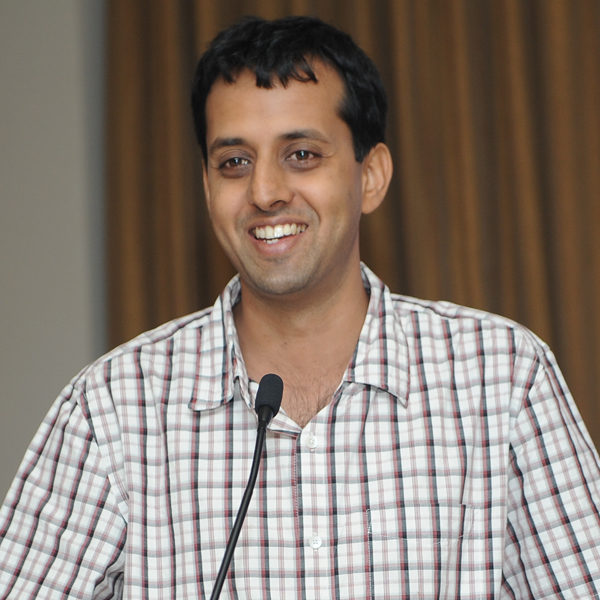
SUS-PP-47 · Circularity in the Battery Industry and Critical Minerals Recovery

Hierarchical Flower-like Nanosheet-Stacked Ni-based Bimetallic Metal–Organic Framework Electrode for High-Energy Hybrid Supercapacitors

Kajal Samdhyan*,†, Shiwani Khokhar, Prakash Chand*,‡ and Hardeep Anand

Department of Chemistry, Kurukshetra University, Kurukshetra, Haryana 136119, India  ·  Department of Physics, National Institute of Technology, Kurukshetra, Haryana 136119, India

Abstract. Bimetallic MOFs stand out as the most promising approach since they combine the synergistic effect of two metals. Doping nickel (Ni) with a dopant is a common practice to modify the electrical and chemical properties of the resulting Ni-MOF. For doping, the size of the dopant should be comparable to nickel, which minimizes the lattice distortion and maintains the structural integrity of the MOF material. The ionic radii of Co2+ and Ni2+ are very similar, with Co2+ having an ionic radius of ≈79 pm and Ni2+ ≈83 pm. The incorporation of cobalt into the nickel framework improves both the electrochemical activity and structural properties of the material, making it more suitable for applications such as supercapacitors and batteries. The outstanding electrochemical performance of these hybrid materials can be attributed to (i) the synergistic effect between the metals, which enhances electrical conductivity; (ii) the presence of mesopores, which facilitates the easy diffusion of electrolyte; and (iii) a large surface area and pore volume, which provide significantly more electroactive sites. The flower-like morphology provides a larger surface area compared to the pristine Ni-BDC, facilitating more active sites for electrochemical reactions. Flower-like structures composed of nanosheets can be synthesized by incorporating 0.05 M cobalt solution into synthesized Ni-BDC. The optimized Co@Ni-BDC demonstrated remarkable electrochemical performance, delivering impressive specific capacitances of 2753.3 F/g at a current density of 3 A/g. The retention remained impressively high for Co@Ni-BDC, with 84% capacity retention even after 5000 cycles.

Theme 5

Circular Plastics and Polymer Economy

SUS-PP-48 · Circular Plastics and Polymer Economy

Thermal Stability and Fire Performance of PBS/Bagasse Sustainable Composites – Effect of Diammonium Phosphate Treatment

Shanthini Devi A*,†, Keerthika N. B. and R. Gnanamoorthy

Architected and Sustainable Materials Design Research Centre, Department of Mechanical Engineering, Indian Institute of Technology Madras, Chennai 600036, India

* Corresponding author · shanthinialagumuthu@gmail.com

Abstract. Traditional plastic production remains heavily reliant on fossil fuels, perpetuating a linear “take–make–dispose” economy that accelerates resource depletion and environmental degradation. To overcome this issue, natural material–reinforced composites offer a viable approach to creating a circular industrial ecosystem by utilizing bio-based matrices and agricultural waste residues. Sugarcane bagasse, an abundant agricultural by-product, was utilized as a reinforcing filler in PBS composites; unlike cultivated natural fibers that compete for arable land and water resources, sugarcane bagasse valorizes industrial by-products without expanding the agricultural footprint. The flammability characteristics of new polymer systems are critical to ensuring safety, reliability, and regulatory compliance across diverse engineering applications. The effect of surface treatment with diammonium phosphate (DAP), a halogen-free, inorganic salt flame retardant that encourages char formation through phosphorus–nitrogen synergy, is examined in the current study. The effectiveness of the flame-retardant treatment was evaluated using a comprehensive range of thermal and flammability characterization techniques. Cone calorimetry analysis showed that DAP treatment significantly reduced the peak heat release rate (PHRR), mass loss rate (MLR), and toxic gas emissions of bagasse, thereby enhancing its fire resistance. UL 94 vertical burn tests on PBS/bagasse composites demonstrated robust self-extinguishing properties, a major upgrade from the volatile burning observed in untreated control samples.
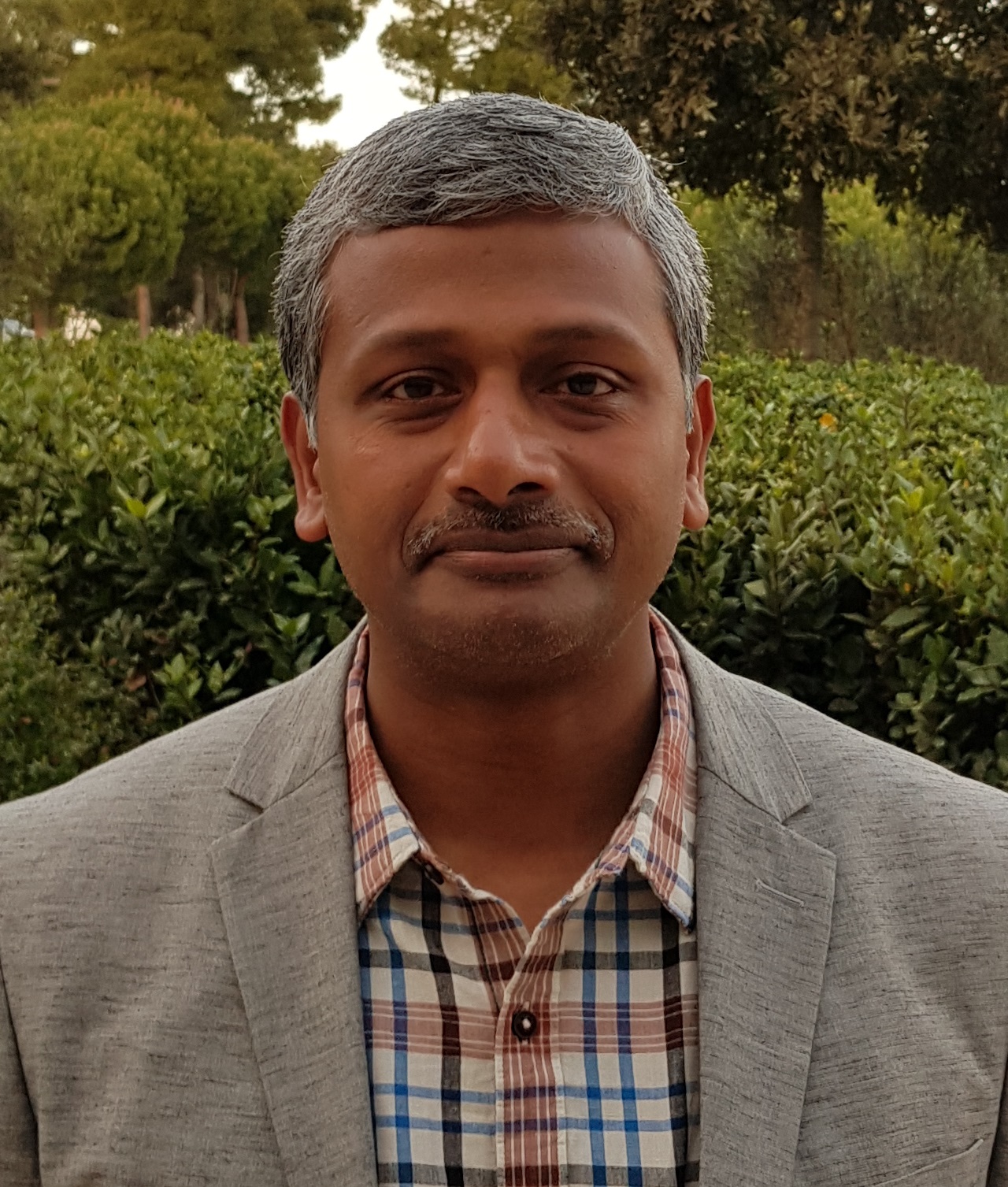
SUS-PP-49 · Circular Plastics and Polymer Economy

Sustainable Approach for Integrated Microwave Pretreatment and Photocatalytic Upcycling of Sugarcane (Saccharum officinarum) Leaf Biomass to Lactic Acid

Alice Jasmine and Tamilarasan Krishnamurthi*,‡

Department of Biotechnology, SRM Institute of Science and Technology, Chennai 603203, India  ·  Department of Chemical Engineering, SRM Institute of Science and Technology, Chennai 603203, India

Abstract. The depletion of fossil fuels and rising greenhouse gas emissions has intensified the exploration of sustainable energy resources. Sugarcane leaf (SCL) biomass is a promising renewable feedstock for biofuel and biochemical production, and while the application of photocatalysis to biorefinery is of great significance for sustainable development, limited success has been achieved to date. This study aimed to develop an effective delignification strategy for SCL biomass and its subsequent photocatalytic conversion into lactic acid (LA). The initial research focused on developing efficient pretreatment strategies for SCL biomass via microwave-assisted sodium carbonate (SCL-MSC) pretreatment for effective deconstruction of the biomass. (continued overleaf)

Optimization using central composite design identified the ideal pretreatment conditions (508 W, 4 min, 7.87 wt% biomass, 0.87 MSC) that resulted in maximum saccharification yield (RSY of 601 mg g−1 and GY of 231 mg g−1). The optimized cellulose-rich SCL biomass was further converted to LA using a g-C3N4-O 50% photocatalyst, which increased the LA yield to 345.39 mg g−1 while reducing the formic acid yield to 30.45 mg g−1. Furthermore, techno-economic analysis (TEA) revealed that the estimated net production cost of LA was $3.32 kg−1, with an ROI of 14.43% and a payback period of 6.93 years; sensitivity analysis revealed that raw material costs and LA market price significantly influenced the economic viability. Overall, this work demonstrates a sustainable and economically feasible strategy for producing lactic acid from sugarcane leaf biomass through integrated microwave pretreatment and photocatalysis.

SUS-PP-50 · Circular Plastics and Polymer Economy

Towards Agricultural Circularity: Biomass-Derived Biodegradable Mulch Sheets with Potential for Photocatalytic Soil Remediation

R. Janani and Vidya K. Shetty*,†

Department of Chemical Engineering, National Institute of Technology Karnataka, Surathkal, Mangaluru, India

Abstract. Agricultural mulching sheets are widely adopted for enhancing crop productivity, offering benefits such as weed control and moisture retention in soil. However, commercial mulching sheets made from synthetic polymers such as low-density polyethylene, polybutylene adipate terephthalate, and polybutylene succinate contribute to secondary pollution in the form of micro/nano plastics in the soil after use. The present work focuses on the development of biodegradable cellulose-based mulching sheets made from agricultural residues such as sugarcane bagasse, corn husk, rice straw, and banana peduncle as environmentally sustainable alternatives, with the additional objective of in-situ photocatalytic soil remediation. The biomass-derived fibers are subjected to alkaline treatment, bleaching, and homogenization to produce micro-cellulose-rich pulp (MCP); the fiber morphology and hydrodynamics of the MCP are further optimized by the inclusion of biopolymer binders such as polyvinyl alcohol and sodium alginate, which enhance dispersion, consistency, and mechanical integrity during sheet formation. Among the tested precursors, corn husk and sugarcane bagasse show improved homogeneity and processability. The key innovation of the present work is the integration of MCP with a metal-free, soil-friendly photocatalyst, which endows the sheets with soil remediation functionality by photocatalytically degrading pesticide residues present on the soil surface. In summary, this work establishes a sustainable material framework for the development of photocatalyst-integrated cellulose-based mulches with enhanced environmental functionality, advancing both agricultural practice and environmental preservation.

Theme 6

Sustainable Industrial Ecosystems and Green Supply Chains

SUS-PP-51 · Sustainable Industrial Ecosystems and Green Supply Chains

PDMS-Based Nanocomposite Films as Encapsulations to Improve Photovoltaic Reliability and Longevity

Aneela Perumalla, Reitesh K. V. Raman, Tiju Thomas†,§ and Sreeram K. Kalpathy†,§

Department of Metallurgical and Materials Engineering, Indian Institute of Technology Madras, Chennai 600036, India  ·  Department of Electrical and Systems Engineering, University of Pennsylvania, Philadelphia, PA 19104, USA  ·  §Centre for Resource Efficiency, Recyclability and Circularity in Energy Transition, School of Sustainability, Indian Institute of Technology Madras, Chennai 600036, India

Abstract. The long-term sustainability of photovoltaic (PV) systems depends on improving their durability, thereby minimizing maintenance costs and material replacement. We developed polymer nanocomposite (PNC) films as multifunctional encapsulants that provide a one-stop solution to heat- and moisture-induced degradation in silicon solar cells, thereby improving PV reliability and longevity. The PNC films were fabricated by dispersing ≈0.45 wt% zinc oxide (ZnO) or titanium dioxide (TiO2) nanoparticles in a dilute solution of polyethylene glycol (PEG) in chloroform, followed by incorporation into polydimethylsiloxane (PDMS) and curing at 80°C for 20 min; the resulting films (≈450 µm thick) were subsequently employed as front encapsulants for commercially available mini silicon solar cells. Thermal aging studies reveal that PNC-encapsulated cells retained >80% of their power conversion efficiency (PCE), whereas unencapsulated cells retained only ≈50% of their initial PCE. Additionally, at 60°C and 90°C, the surface temperature of PNC-encapsulated cells was reduced by ≈5–8°C compared to unencapsulated cells, indicating effective thermal management. Further, when subjected to damp-heat conditions for one week, the PNC-encapsulated cells retained >50% of their initial PCE, whereas the unencapsulated cells retained only ≈17%. Thus, module service life has been extended by simultaneously reducing thermal- and moisture-driven degradation, thereby lowering replacement frequency, minimizing waste generation, and enhancing the lifecycle sustainability of solar energy infrastructure. These attributes position the proposed encapsulation strategy as a promising pathway toward more sustainable industrial ecosystems and resilient green energy supply chains.

SUS-PP-52 · Sustainable Industrial Ecosystems and Green Supply Chains

Enhancement in Tensile Strength and Moisture Resistance of Surface Functionalized Jute Fibres

Amrutha H, Sirish Namilae and Sreeram K. Kalpathy*,†,§

Department of Metallurgical and Materials Engineering, Indian Institute of Technology Madras, Chennai 600036, India  ·  Department of Aerospace Engineering, Embry-Riddle Aeronautical University, Daytona Beach, Florida, USA  ·  §Centre for Resource Efficiency, Recyclability and Circularity in Energy Transition, School of Sustainability, Indian Institute of Technology Madras, Chennai 600036, India

Abstract. Natural fibres offer desirable characteristics including biodegradability, biocompatibility, low cost, and high specific mechanical properties; however, their variability, low tensile strength, and hydrophilic nature pose significant challenges in composite applications. (continued overleaf)
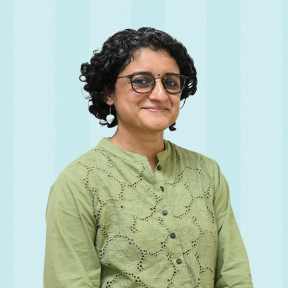
Surface functionalization of natural fibres has proven to be an effective approach for enhancing their strength, stiffness, and interfacial bonding characteristics while retaining their inherent biodegradability. In this study, surface modification of single jute fibres was performed using hydroxyapatite (HAP), a natural calcium mineral commonly used in bone tissue repair surgeries; earlier reports have shown that HAP has excellent biocompatibility and mechanical performance, and could therefore act as an eco-friendly interface modifier for natural fibres. Surface modification using stearic acid in jute fibre was also carried out to impart moisture resistance and enhance interfacial properties; stearic acid is a biocompatible saturated fatty acid whose incorporation in several matrices has shown an improvement in hydrophobic character. The presence of HAP and stearic acid on the surface of jute fibres was confirmed by FTIR analysis and SEM images, and studies on both HAP- and stearic-acid-coated jute fibres have shown a significant enhancement in tensile strength and thermal properties. Overall, HAP and stearic acid surface modification will help improve the interfacial fibre–matrix bond, thereby broadening the scope of application of natural fibres in composite systems.

SUS-PP-53 · Sustainable Industrial Ecosystems and Green Supply Chains

Vortex-Induced Vibration Response of a Buoyancy-Assisted Deep-Water Marine Riser Subjected to Varying Currents

Anu Sugathan and K. G. Vijay*,†

Department of Ocean Engineering, Indian Institute of Technology Madras, Chennai, India

* Corresponding author · vijaykg@iitm.ac.in

Abstract. This study investigates the sensitivity of vortex-induced vibration (VIV) response in a buoyancy-assisted deep-water drilling riser subjected to sheared currents. The riser is modelled as a tensioned Euler–Bernoulli beam with coupled cross-flow (CF) and in-line (IL) responses, while hydrodynamic forcing is represented using a wake oscillator model validated against the experimental results of Trim et al. A 1200 m riser fitted with buoyancy modules over the upper 300 m is analysed alongside a bare-riser configuration for various shear parameters. The results indicate that increasing shear reduces the global coherence and amplitude of the CF response, with an overall reduction of approximately 57% between the lowest and highest shear cases; in contrast, the IL response exhibits a non-monotonic trend, increasing at intermediate shear before decreasing at high shear levels, with enhanced multi-frequency behaviour also observed with increasing shear. Compared with the CF response, the IL response shows greater sensitivity to shear in terms of both vibration amplitude and the location of peak response. The effectiveness of buoyancy modules in suppressing VIV is found to depend strongly on the shear profile, being most effective under low-shear conditions and less effective at higher shear levels. These findings highlight that riser designs based on a single representative current profile may not provide conservative predictions across varying operating conditions; therefore, shear-aware VIV assessment using a representative range of current profiles is recommended for buoyancy-assisted deep-water drilling risers.

SUS-PP-54 · Sustainable Industrial Ecosystems and Green Supply Chains

Experimental Characterization of Bio-Based Roofing Composites with Natural Binder Matrix

Sriram G. and Dr. V. Sathish Kumar*,†

Department of Civil Engineering, Sri Krishna College of Technology, Coimbatore 641042, India

* Corresponding author · sathishkumar.v@skct.edu.in

Abstract. The increasing demand for sustainable construction materials has driven research toward the development of eco-friendly composites derived from renewable resources. This study focuses on the experimental characterization of bio-based roofing composites reinforced with agricultural fibers and bonded using a natural binder matrix comprising lime and starch, with the objective of developing a lightweight, durable, and thermally efficient roofing material as an alternative to conventional systems. The composite is fabricated by integrating treated agro-fibers with the binder matrix and supplementary materials, followed by molding into corrugated sheet forms, compaction, and controlled curing; fibers enhance tensile strength and insulation properties, while lime contributes to durability and water resistance, and starch improves interfacial bonding. Experimental evaluation includes assessment of physico-mechanical and thermal properties such as density, compressive strength, water absorption, and thermal conductivity. Results indicate that the developed composite exhibits adequate structural performance and improved thermal insulation compared to conventional roofing materials, demonstrating the potential of bio-based composites as sustainable roofing solutions that promote resource efficiency, reduced environmental impact, and applicability in low-cost housing and rural infrastructure development.

SUS-PP-55 · Sustainable Industrial Ecosystems and Green Supply Chains

Circular Economy Transitions in the Fashion Industry: Toward Sustainable Production Systems and Resource Efficiency

Anzala Suhail Independent Researcher

Abstract. The fashion industry is one of the most resource-intensive sectors globally, contributing significantly to environmental degradation through excessive water consumption, greenhouse gas emissions, and large-scale textile waste generation. The prevailing linear “take–make–dispose” model has intensified sustainability challenges, necessitating systemic interventions for resource efficiency and waste reduction. In this scenario, the circular economy offers a regenerative framework aimed at extending product life cycles, improving material recovery, and minimizing environmental impacts across production and consumption systems. This poster presents a conceptual and analytical exploration of circular economy integration within the fashion industry, focusing on its role in enabling sustainable production systems. Key circular strategies, including textile recycling, upcycling, eco-design, and the adoption of sustainable and bio-based materials, are examined in relation to their potential to reduce environmental burdens and enhance resource circularity within supply chains. The study further investigates critical barriers limiting large-scale implementation, such as technological constraints, fragmented supply chain structures, economic feasibility, and limited consumer awareness regarding sustainable fashion practices. Additionally, the analysis emphasizes the importance of multi-stakeholder collaboration involving industry actors, policymakers, and consumers in facilitating effective circular transitions. The need for context-specific, scalable, and economically viable strategies is highlighted to ensure long-term sustainability outcomes. This work contributes to the growing discourse on sustainable industrial ecosystems and aligns with global sustainability agendas, particularly Sustainable Development Goals related to responsible consumption and production.

SUS-PP-56 · Sustainable Industrial Ecosystems and Green Supply Chains

Coal-Incorporated Polymer Composites as Circular Economy Alternatives to Wood-Plastic Composites

Shubham Jaiswal and Ethayaraja Mani*,†,‡,§

Department of Chemical Engineering, Indian Institute of Technology Madras, Chennai 600036, India  ·  Centre of Excellence in Biodegradable Packaging, Indian Institute of Technology Madras, Chennai, Tamil Nadu, India  ·  §School of Sustainability, Indian Institute of Technology Madras, Chennai 600036, Tamil Nadu, India

* Corresponding author · ethaya@iitm.ac.in

Abstract. The global wood-plastic composite market, valued at approximately USD 10 billion and growing rapidly, faces persistent challenges due to its reliance on wood flour as a primary filler. This material is inherently flammable, prone to biological decay, and degrades under high heat. Meanwhile, large-scale coal preparation plants generate millions of tonnes of coal fines and reject material annually, which are typically treated as low-value waste with limited use. This study introduces coal-incorporated polymer composites as a circular-economy solution that addresses the performance gaps of conventional wood-plastic composites and valorizes an abundant domestic industrial by-product. Following detailed characterization, we will modify the coal to improve its compatibility with plastics. These tailored fillers will then be blended at varying loadings using standard molding techniques. The resulting composites will be evaluated for structural strength, thermal resilience, and fire resistance. Leveraging coal’s carbon-rich structure, we anticipate improved flame retardancy and heat tolerance, reducing dependence on expensive chemical additives. Additionally, this waste-derived filler offers clear economic benefits through its low cost and local availability. Ultimately, this research aims to convert industrial coal refuse into valuable structural materials, lowering disposal burdens, fostering sustainable manufacturing, and supporting national resource efficiency objectives.

SUS-PP-57 · Sustainable Industrial Ecosystems and Green Supply Chains

From Recycling to Second-Life: Assessing Challenges and Policy Gaps in the Electric Vehicle Battery Reverse Supply Chain

Bindhu A.†,‡ and Arshinder Kaur†,‡

Centre for Circularity, Indian Institute of Technology Madras, Chennai, India  ·  Department of Management Studies (DoMS), Indian Institute of Technology Madras, Chennai, India

Abstract. This paper presents a review of reverse supply chains (RSCs) for used electric vehicle batteries. It integrates existing knowledge across battery recycling, battery reuse, second-life applications, material recovery, and policy frameworks. The review highlights multi-dimensional uncertainties in return quality, quantity, costs, and regulation that determine an efficient RSC or used electric vehicle batteries. While recycling shows strong technical feasibility, its industrial scalability remains limited, and the logistics costs dominate the economics. Second-life deployment at 70–80% residual capacity, although it is established, in reality is constrained by liability, standardised state-of-health assessment, and pricing. Policy analysis shows insufficiently regulated global regulations. The paper concludes by identifying research gaps in integrating scalable supply chain logistics, adopting regulation, and viable second-life business models.

SUS-PP-58 · Circular Water Technologies

Valorization of Clitoria ternatea Biomass for Domestic Wastewater Treatment and Sustainable Concrete Production: A Circular Water-Energy Nexus Approach

Karthika Saramariraj*,† and V. R. Prasath Kumar*,†

Department of Civil Engineering, Faculty of Engineering and Technology, SRM Institute of Science and Technology, Kattankulathur, Chengalpattu Dt., Tamil Nadu 603203, India

* Corresponding authors · ks8712@srmist.edu.in; prasathv@srmist.edu.in

Abstract. The increasing demand for sustainable and decentralized wastewater treatment has driven advances in biomass-based adsorbents to enhance water quality. This research explores the use of biochar derived from Clitoria ternatea biomass (CT-BC) as an environmentally friendly adsorbent for treating domestic wastewater. Biochar was produced via pyrolysis and tested under various operating conditions to improve pollutant removal efficiency. The adsorption process was analysed using equilibrium and kinetic models to better understand the mechanisms involved in treatment. Advanced characterization methods, including XRD, FTIR, and SEM–EDS, were used to analyse the physicochemical properties of CT-BC. The findings showed a porous, heterogeneous surface with oxygen-rich functional groups, which are ideal for contaminant adsorption. Isotherm and kinetic tests demonstrated that the adsorption was driven by heterogeneous surface interactions and chemisorption. Statistical results confirmed that CT-BC effectively and consistently enhanced wastewater quality at various sampling sites. The results show that biochar made from Clitoria ternatea is an effective, affordable, and eco-friendly option for treating domestic wastewater. Turning biomass waste into a valuable water-purification tool promotes circular resource use and supports sustainable water management. This research supports circular economy principles and helps achieve the UN Sustainable Development Goals on clean water, sanitation, and responsible resource use.

SUS-PP-59 · Circular Energy Systems & Carbon Resource Valorization

From Residue Burning to Resource Recovery: Crop-Residue Roof Insulation for Sustainable Livestock Shelters in India

S. Rahul Bharath, Srinivasan Periaswamy and Srikant Routroy

Department of Mechanical Engineering, Birla Institute of Technology and Science, Pilani, Rajasthan 333031, India

Abstract. Agricultural residues are often treated as waste, despite their potential for productive reuse in rural infrastructure. This study explores a circular application of pearl millet and paddy straw as roof-insulation materials for naturally ventilated dairy shelters in India, with the aim of reducing heat stress while creating value from locally available biomass. A validated EnergyPlus model was used to assess shelter performance across representative Indian climates. The analysis considered roof heat transfer, indoor thermal conditions, Temperature–Humidity Index (THI), and the influence of key design parameters such as insulation thickness, sidewall height, shelter capacity, and cattle heat load. The thermal results were further connected to productivity-related economic benefits and greenhouse-gas mitigation. Crop-residue insulation substantially reduced roof-mediated heat gain and improved indoor thermal conditions, with annual THI reduction varying from 730 to 5826 THI·h across climates. Maximum reductions of 5.62 °C in indoor temperature and 4.18 THI units were observed. Pearl millet straw showed consistently better performance than paddy straw, while shelter geometry and insulation thickness were identified as important design factors. Beyond thermal performance, the intervention showed considerable potential for economic benefit, lower milk-related emission intensity, and avoided emissions from residue burning. The results highlight crop-residue insulation as a practical pathway linking resource recovery, passive cooling, climate resilience, and sustainable dairy production.

Getting Around

Venue & Campus

ICSR Building, IIT Madras

TTJ Auditorium — ICSR Building. Plenary and keynote venue with seating for 500 delegates.

Hall III — ICSR Building. Workshops and parallel technical sessions.

ICSR Lawn — lunches and networking. ICSR Foyer — registration and refreshments.

Address — IIT Madras, Adyar, Chennai 600 036, Tamil Nadu, India.


Travel, accommodation and local guidance: sustainxconference.org/plan-your-trip

QR Code

Plan your
trip
plan-your-trip ↗

With Thanks

Committees &
Acknowledgements

Organising Committee

Dr. Sankha Karmakar — Organising Secretary

Dr. Nitin Muralidharan — Organizing Committee

Dr. Sreeram K. Kalpathy — Organizing Committee

Team SustainX

Ms. Dolly Sweetlin Jennifer — Program Coordinator

Ms. Manimeghalai — Finance Manager

Ms. Nobika Joy — Registration Support

Mr. Abraham Samuel Thangadurai — Lodging Query

Mr. Magesh — Logistical Support

Mr. Viswanathan — Logistical Support

Pushpa Sweety Daniel — Student Coordinator

Sivanesan J — Student Coordinator

Riya Karmakar — Student Coordinator

Patrons

Prof. V. Kamakoti — Director, IIT Madras

Prof. Rajnish Kumar — Head, School of Sustainability

Acknowledgements

The organisers gratefully acknowledge the support of our sponsors, HSBC India, the Industrial Waste Management Association, SMLA, and the Centre for Sustainable Energy (IIT Madras and Coal India Limited), whose partnership made this conference possible. We thank the Organising Committee and Patrons for their guidance, and Team SustainX for their tireless work behind the scenes. Our sincere appreciation goes to every session chair, keynote and invited speaker, and student presenter who shared their research, and to the volunteers, staff, and student teams across IIT Madras and the School of Sustainability who supported the event at every stage.

Colophon

How This Book
Was Made

This Companion is set in Source Serif 4 (headings and reading text) and Inter (captions, labels and navigation) on a B5 page of 176 × 250 mm, sized to be carried, not filed.

The print interior uses one colour: black. Hierarchy is achieved with type scale, weight, rules and grey, never with ink-heavy floods. The edition is printed on 100–120 gsm recycled uncoated paper, chosen for low impact and for taking pencil and ink well.

The digital edition adds colour, hyperlinks and live QR codes to the identical layout, and is distributed as an interactive PDF and web flipbook, with no reprint required for corrections.
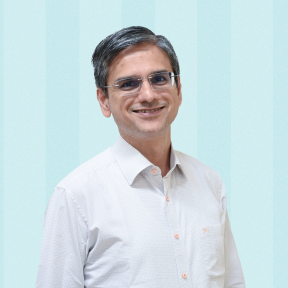

Sustainability Statement

Monochrome is not a limitation of this publication; it is its argument. A conference on circularity should not open with an object that contradicts it. One ink, recycled fibre, a format that invites reuse as a notebook, and a digital afterlife as the Proceedings: the Companion is designed to close its own loop.
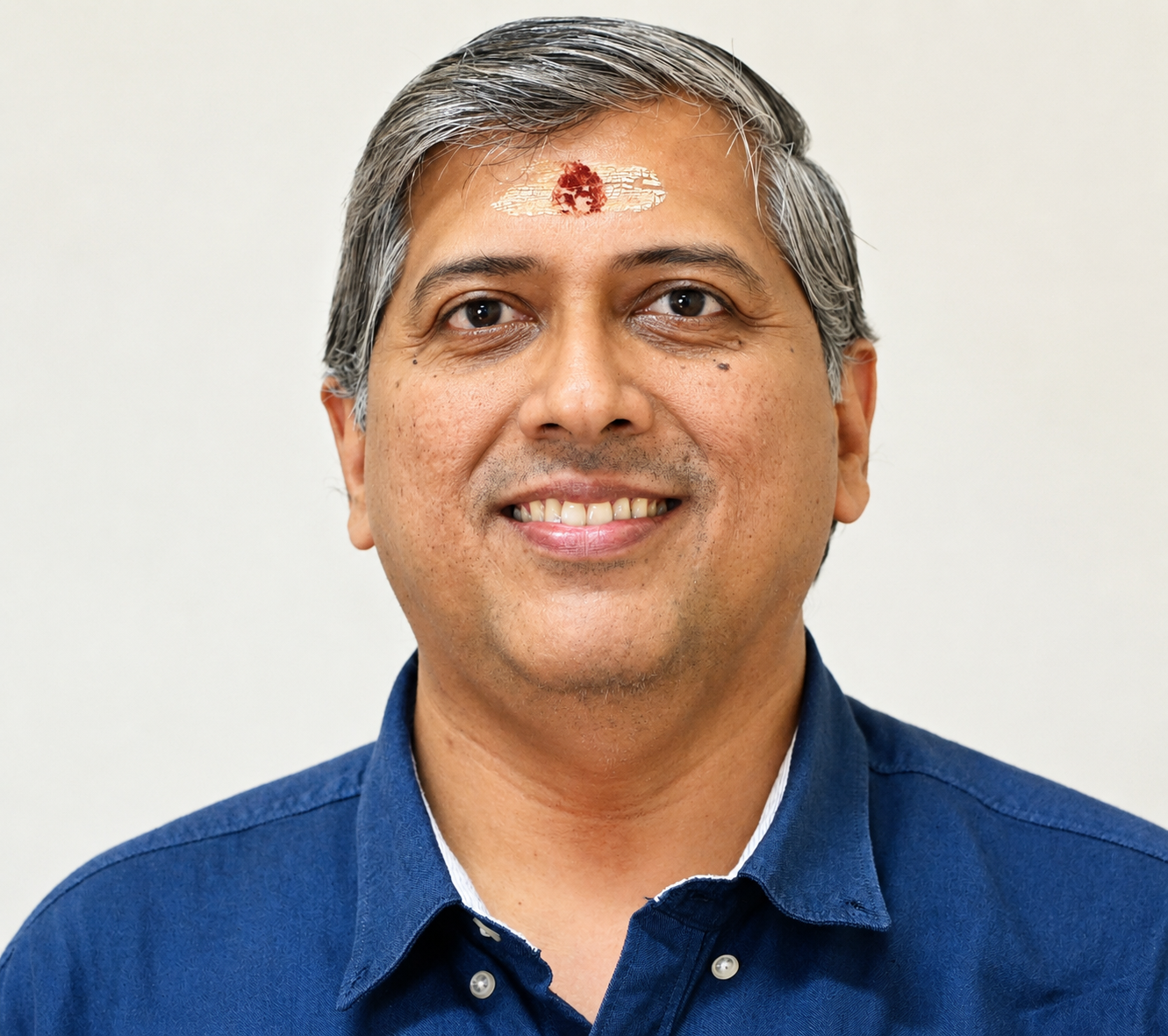
SustainX CRRET School of Sustainability IIT Madras

Notes

Notes

Notes

“Nothing is lost, nothing is created,
everything is transformed.”

— Antoine Lavoisier

Industrial Waste Management Association — Cover
SMLA — Inside Back Cover
HSBC — Inside Back Cover
SustainX 2026 — Conference Companion, back cover
← → keys, tap the edges, or swipe to turn the page